Mastering Community Meeting Planning
Advanced Agenda Design
Beyond the Checklist
An agenda is more than a list of topics. It's a strategic plan for a conversation. In a community setting, a well-designed agenda doesn't just guide discussion; it builds trust, manages energy, and drives the group toward a shared goal. Moving beyond a simple to-do list means designing for outcomes, not just activities.
The first step is to shift your mindset from what you'll talk about to why you're meeting in the first place. Every item on the agenda should serve a clear purpose that everyone in the room understands. The most effective way to achieve this is with a simple, powerful structure.
The P-O-P Framework
A powerful tool for this kind of strategic design is the (Purpose, Outcomes, Process). Instead of just listing "Budget Review," you frame the entire meeting and each of its components through this lens.
Purpose: Why are we having this meeting? What is the single most important reason we're gathering? Outcomes: What will we have created, decided, or accomplished when this meeting is over? What are the tangible results? Process: How will we achieve those outcomes? What activities and conversations will we have, and in what order?
Applying this transforms a vague agenda item into a clear contract with the attendees. It sets expectations and focuses the conversation.
| Traditional Agenda Item | P-O-P Framed Agenda Item |
|---|---|
| Discuss new park design | Purpose: To gather diverse community feedback on the three proposed park designs. Outcome: A documented list of pros and cons for each design from the community's perspective. Process: (1) Brief presentation of each design. (2) Small group breakout discussions. (3) Report back and group synthesis. |
Categorize and Sequence
Not all agenda items are created equal. To manage the group's energy and attention, categorize each item based on its goal. This helps you allocate time effectively and structure the meeting's flow.
The order matters. Start with quick, low-energy information sharing to get everyone on the same page. Place your most important consultation or decision-making topics in the middle, after people have warmed up but before fatigue sets in. Pushing a critical vote to the end of a long meeting is a recipe for poor choices and frustration. Conclude with lower-stakes items or a clear summary of next steps.
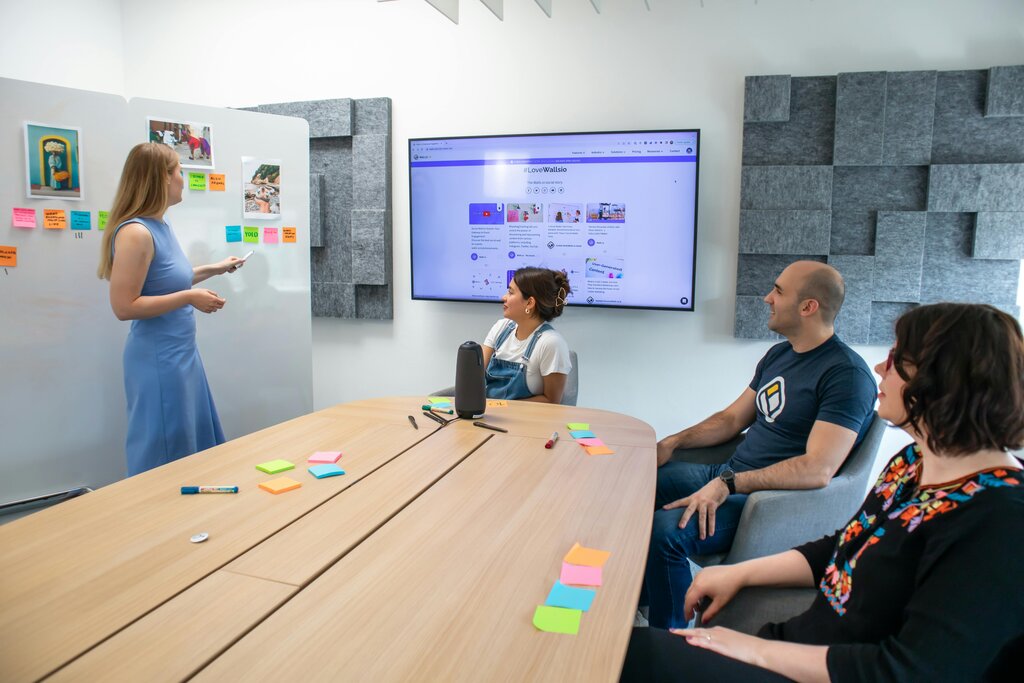
Meetings without structure waste time. Share a clear agenda beforehand, outlining the purpose, topics, and expected outcomes.
By structuring your agenda with purpose, clear outcomes, and a strategic sequence, you transform a routine meeting into a powerful tool for community progress.
What is the primary mindset shift recommended for creating a more effective agenda?
What does the 'O' stand for in the P-O-P framework for agenda design?