Mastering Communication Skills
Communication Fundamentals
How Communication Works
Communication isn't just about talking. It's a full-circle process that involves sending a message, receiving it, and understanding it. Think of it less like a one-way street and more like a game of catch. One person throws the ball, and the other has to catch it for the game to continue.
This process has a few key players. It starts with a sender, the person who has an idea or feeling to share. The sender encodes this idea into a message, which could be spoken words, a written email, or even a simple gesture like a thumbs-up. This message travels through a channel, like the air between two people, a phone line, or the internet.
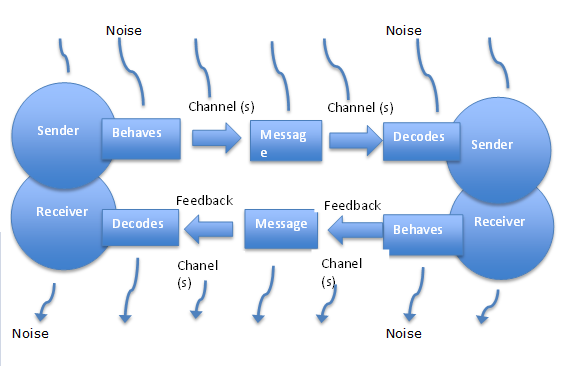
On the other end is the receiver, who gets the message and decodes it, meaning they interpret its meaning. What the sender intended and what the receiver understands can sometimes be two different things. This is where the process gets interesting and also where things can go wrong.
Communication is more than just the words you use. The tone of your voice, your facial expressions, and your body language are all part of the message. These non-verbal cues often say more than the words themselves.
What Gets in the Way
Have you ever felt like you were talking to a wall? Sometimes, even with the best intentions, our messages don't land. These obstacles are called communication barriers, and they can distort or block a message completely.
One common barrier is physical noise. It's hard to have a meaningful conversation at a loud concert or on a staticky phone call. But noise isn't always literal. It can also be psychological. If you're stressed, angry, or distracted, you're less likely to listen carefully or express yourself clearly.
Distractions, whether external or internal, are a major barrier to clear communication. Your mind can be the noisiest place of all.
Language itself can be a hurdle. Using jargon, technical terms, or overly complex words can confuse your audience. Imagine a doctor explaining a diagnosis using only medical terminology. The patient would likely leave more confused than informed. This is why speaking plainly and knowing your audience is so important.
Cultural differences and personal biases can also act as filters. We all see the world through our own unique lens, shaped by our experiences. This can lead to misunderstandings when we assume others share our same perspective or frame of reference.
| Barrier | Example |
|---|---|
| Physical | A poor internet connection during a video call. |
| Emotional | Trying to discuss an important topic when you're angry. |
| Language | Using technical acronyms with someone outside your field. |
| Cultural | A gesture that is polite in one culture might be offensive in another. |
Closing the Loop with Feedback
The final piece of the puzzle is feedback. Feedback is the receiver's response to the message. It's what turns a monologue into a dialogue and completes the communication loop.
Without feedback, the sender is just guessing whether their message was received and understood as intended. It’s like throwing a ball into the dark and hoping someone caught it.
Effective communication should include:
Feedback can be verbal or non-verbal. A person might say, "I understand," or they might simply nod their head. Asking clarifying questions is another powerful form of feedback. Phrases like, "So, what you're saying is..." or "Can you explain that part again?" help ensure everyone is on the same page.
Giving and receiving feedback isn't just about confirming understanding. It's about building relationships. When you actively listen and respond thoughtfully, you show the other person that you value their perspective. This creates trust and makes future conversations more open and effective.
Time to check your understanding of these core concepts.
In the communication process, what is the term for converting an idea into a message, such as words, gestures, or writing?
A manager is trying to hold a team meeting while loud construction is happening outside their office window, making it difficult for anyone to hear. This is an example of what kind of communication barrier?
Mastering these fundamentals is the first step toward becoming a more effective and empathetic communicator.