Mastering Communication Skills
Communication Basics
What Is Communication?
At its core, communication is simply the act of sharing information from one person, group, or place to another. It's a two-way street that involves sending a message and receiving one back. We do it all day, every day, from a simple wave to a complex report. Getting this exchange right is one of the most important skills we can develop. Strong communication builds relationships, prevents misunderstandings, and helps us work together effectively, whether at home or on the job.
Communication
noun
The process of creating and sharing ideas, information, views, facts, or feelings between people to reach a common understanding.
The Communication Process
Every conversation or message follows a basic pattern. Understanding these steps helps us see where communication can break down and how we can make it better.
First, a sender has an idea they want to share. They put this idea into a message—words, images, or actions. The sender then chooses a channel, like talking face-to-face, sending an email, or making a phone call, to send the message.
The receiver then gets the message and interprets its meaning. Finally, the receiver provides feedback, which is their response. This feedback tells the sender if the message was understood correctly. This whole process can be disrupted by noise, which is anything that interferes with the message, from a loud room to a receiver's own biases.
Thinking about communication this way makes it easier to troubleshoot. If someone misunderstands your email, was the message unclear? Was email the wrong channel? Or was the receiver distracted by noise when they read it?
Types of Communication
We communicate in two primary ways: with words and without them.
Verbal communication uses words to share information. This includes speaking, writing, and sign language. It's what we use in conversations, presentations, emails, and books.
Non-verbal communication is everything else. It’s the messages we send through body language, facial expressions, gestures, and tone of voice. Sometimes, our non-verbal signals are more powerful than the words we say. A relaxed posture can show you're open to a conversation, while a tense tone can reveal you're stressed, even if you say you're fine.
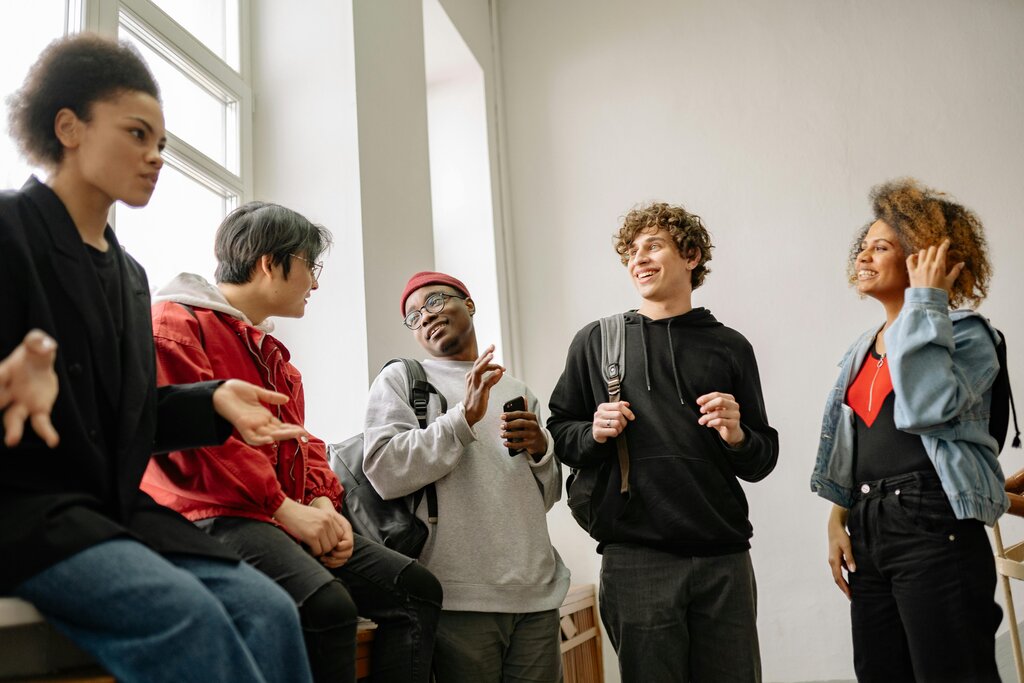
The most effective communicators pay attention to both. They ensure their body language and tone match their words. When verbal and non-verbal messages align, the communication is clearer, more credible, and more likely to be understood.
Roadblocks and Solutions
Even with the best intentions, messages can get lost. Several common barriers can get in the way of clear communication. Recognizing them is the first step to overcoming them.
| Barrier Type | Description | How to Overcome It |
|---|---|---|
| Physical | Distractions in the environment, like loud noises or a poor internet connection. | Move to a quiet space or choose a more reliable communication channel. |
| Emotional | Strong feelings like anger or anxiety can cloud judgment and prevent listening. | Take a moment to calm down before responding. Focus on the issue, not the person. |
| Language | Jargon, complex vocabulary, or different languages can cause confusion. | Use simple, clear language. Avoid acronyms and define technical terms if you must use them. |
| Cultural | Different cultures have different norms for body language, directness, and personal space. | Be curious and respectful. Ask questions to clarify meaning and avoid making assumptions. |
The single most powerful tool for breaking through these barriers is active listening. This isn't just hearing words; it's about fully concentrating on what is being said to understand the complete message.
Active listening means paying close attention, asking clarifying questions, and summarizing what you heard to confirm your understanding. For example, you could say, "So, if I'm hearing you correctly, you're saying we should focus on the first task before moving to the second?" This gives the speaker a chance to confirm or correct your interpretation.
Ready to check your understanding? This quiz will help you review the core concepts of communication.
In the communication process model, what is the receiver's response to the sender's message called?
Which of the following is the best example of non-verbal communication?
By understanding the communication process, recognizing the different types, and practicing active listening, you can make your interactions more effective and build stronger connections with the people around you.