Mastering Communication Skills
Introduction to Communication
The Art of Connection
Communication is more than just talking. It's the process of sending and receiving information between people. Think of it as building a bridge. When you communicate effectively, you create a clear path for ideas and feelings to travel from your mind to someone else's. This skill is the foundation of all relationships, from friendships to professional collaborations. Without it, misunderstandings grow, teamwork falters, and connections weaken.
More than just the words you use, effective communication combines a set of skills including nonverbal communication, engaged listening, managing stress in the moment, the ability to communicate assertively, and the capacity to recognize and understand your own emotions and those of the person you’re communicating with.
Strong communication helps you express your needs clearly, resolve disagreements, and build trust. In a professional setting, it’s essential for sharing ideas with your team, understanding project goals, and building a positive work environment. It’s the tool we use to turn individual efforts into collective success.
Three Ways to Communicate
We communicate in three main ways, often all at once.
Verbal Communication
other
The use of spoken words to share information. This includes face-to-face conversations, phone calls, and video chats.
The words you choose matter. Are you being clear and concise, or are you using jargon that others might not understand? Your tone of voice is also part of verbal communication. The same sentence can have entirely different meanings depending on whether you sound cheerful, sarcastic, or angry.
Non-Verbal Communication
other
Sending and receiving messages without words. This includes body language, facial expressions, gestures, and eye contact.
Sometimes, what you don't say speaks the loudest. A slumped posture might show a lack of confidence, while direct eye contact can convey honesty and engagement. Your non-verbal cues can either support your words or contradict them, leading to confusion.
Written Communication
other
Any message that uses the written word. This includes emails, reports, text messages, and letters.
In written communication, clarity is crucial because you don't have tone of voice or body language to help you. Good grammar, clear structure, and a polite tone are essential for getting your message across as intended.
What Gets in the Way
Even with the best intentions, our messages can get lost. These obstacles are called communication barriers.
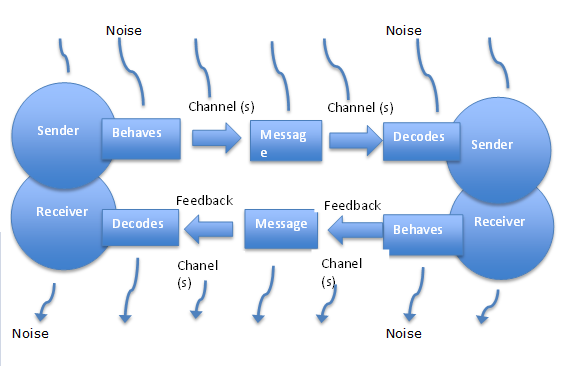
Common barriers include:
- Physical Noise: A loud environment can make it hard to hear. Think of trying to have a serious conversation at a concert.
- Emotional State: If you're angry, anxious, or upset, it's difficult to communicate clearly or listen effectively. Strong emotions can cloud your judgment.
- Assumptions and Biases: We all have preconceived ideas. If you assume you know what someone is going to say, you might tune out before they finish, missing the real message.
- Language Differences: This isn't just about speaking different languages. It can also refer to jargon, slang, or technical terms that one person doesn't understand.
Building a Stronger Bridge
Overcoming these barriers isn't complicated. It just takes practice and mindfulness.
One of the most important strategies is active listening. This means focusing completely on the speaker, understanding their message, and providing feedback. Don't just wait for your turn to talk.
Another key strategy is to ask for clarification. If you're unsure about something, just ask. A simple, "Could you explain what you mean by that?" can prevent major misunderstandings.
Finally, be mindful of your non-verbal cues. Make sure your body language aligns with your message. Uncross your arms, make eye contact, and nod to show you're engaged. This helps build trust and makes the other person feel heard.
Ready to check your understanding?
Let's test your knowledge with a few questions.
What is the primary goal of effective communication?
Which of the following is an example of non-verbal communication?
By understanding the basics of communication and practicing these simple strategies, you can build stronger connections in every area of your life.