Mastering Color Theory for Graphic Designers
Basic Color Mechanics
Where Color Comes From
Color isn't a property of an object, but of light. When white light from the sun or a lamp shines on something, the object absorbs some wavelengths of light and reflects others. Our eyes see the reflected wavelengths as color. For example, a red apple looks red because it absorbs all wavelengths of light except for red, which it reflects back to our eyes.
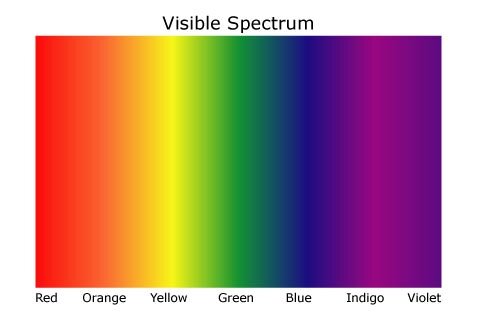
The range of light humans can see is called the visible spectrum. In the 17th century, used a prism to show that white light is actually made of a rainbow of colors: red, orange, yellow, green, blue, indigo, and violet. Each of these colors corresponds to a different wavelength.
The Building Blocks
For designers and artists, all colors begin with three foundational hues. These are the primary colors: red, yellow, and blue. They are called primary because you cannot create them by mixing other colors together. They are the original source.
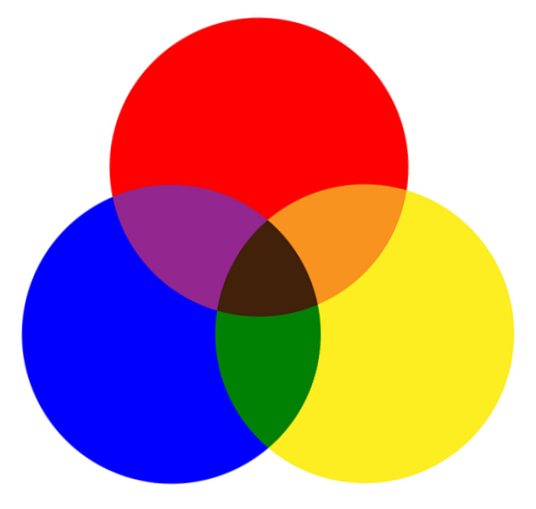
When you mix any two primary colors, you get a secondary color. There are three of them:
- Red + Yellow = Orange
- Yellow + Blue = Green
- Blue + Red = Purple
These six colors—three primary and three secondary—form the basic foundation for understanding color relationships.
Hue
noun
The pure form of a color, such as red, green, or blue, without any white, black, or gray added. It's one of the main properties of color.
The next step is to mix a primary color with a neighboring secondary color. This creates six new that fill in the gaps. For example, mixing yellow (a primary) with green (a secondary) gives you yellow-green. Other examples include red-orange and blue-violet.
These three tiers of color are the basis for the standard 12-step color wheel, a fundamental tool for any designer.
The Color Wheel
The 12-step color wheel organizes these colors in a logical way. It starts with the three primary colors forming a triangle. The secondary colors sit between them, and the tertiary colors fill in the remaining spots. This arrangement makes it easy to see the relationships between colors, which is the key to creating balanced and effective designs.
Let's review the key terms we've covered before we test your knowledge.
Ready to check your understanding?
A green leaf appears green because it...
Who demonstrated that white light is composed of the visible spectrum of colors using a prism?
Understanding these basic mechanics is the first step toward using color with confidence and purpose in your designs.