Mastering Color Grading for Video
Introduction to Color Grading
The Art of Visual Tone
Color can completely change how you feel about a scene in a movie. A flashback to a happy childhood memory might be bathed in warm, golden light. A sterile, futuristic city might be depicted in cool blues and sharp grays. This manipulation of color to evoke a specific emotion or mood is the essence of color grading.
Color grading is the art of enhancing your video or film’s visual tone and mood through color.
Think of it as the final coat of paint on a finished piece of art. The primary goal isn't to make the image look realistic, but rather to create a specific aesthetic. Color grading helps tell the story visually, guiding the audience's emotional response and making the world of the film feel more cohesive and intentional. It can make a sunny day feel ominous or a dark room feel cozy, all through the careful application of color.
Correction vs. Grading
People often use the terms "color correction" and "color grading" interchangeably, but they are two distinct steps in the post-production process. Think of it as a two-part process: first you fix, then you stylize.
Color correction comes first. It’s the technical process of fixing any color issues in the raw footage to make it look as natural and true-to-life as possible.
Color correction is the process of making everything look as natural to the human eye as possible, as well as achieving a consistent visual balance across multiple clips.
This involves adjusting basic levels like exposure, contrast, and white balance. If a shot looks too orange under artificial light, color correction fixes it so the whites look genuinely white. If you're cutting between shots filmed on different cameras or on different days, color correction ensures they all match, creating a seamless viewing experience. It's about creating a clean, consistent, and neutral starting point.
Color grading is the creative step that happens next. Once the footage is corrected and balanced, the artistic styling begins. This is where you push the colors beyond reality to create a specific look or mood. That sci-fi blue tint or that warm, nostalgic glow? That’s color grading.
| Color Correction | Color Grading | |
|---|---|---|
| Goal | Realism & Consistency | Style & Mood |
| Process | Technical | Creative |
| Order | First | Second |
| Analogy | Proofreading an essay | Choosing the font and layout |
Tools of the Trade
Color grading is done using specialized software that gives editors precise control over every aspect of the image's color and light. While many video editing programs have built-in color tools, professional workflows often rely on dedicated software.
Two of the most well-known names in the industry are Adobe Premiere Pro and DaVinci Resolve. Premiere Pro is a comprehensive video editor with a powerful set of color tools in its Lumetri Color panel. DaVinci Resolve started as a high-end color grading system and has since evolved into a full-featured editor, but it remains the industry standard for professional color work due to its incredibly detailed tools.
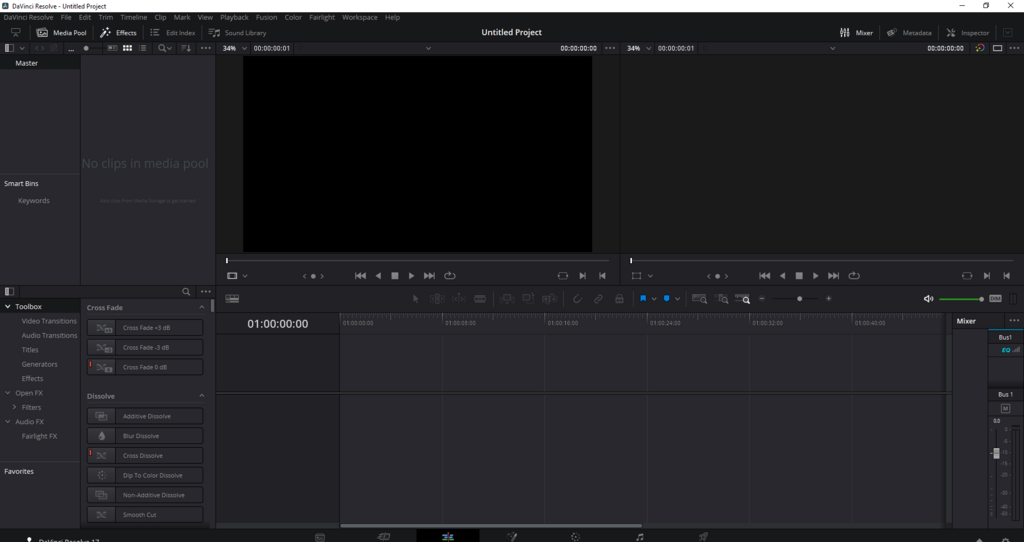
These programs give editors access to tools like color wheels, curves, and scopes. Color wheels adjust the hue and saturation in the shadows, midtones, and highlights. Curves offer fine-tuned control over brightness and contrast for specific color channels. Scopes, like vectorscopes and waveform monitors, provide a technical, objective view of the color and light levels in an image, helping ensure the final result looks good on any screen.
The Role of a Colorist
In professional film and television production, color grading is a specialized job handled by a professional known as a colorist.
Colorist
noun
A post-production professional responsible for correcting and stylizing the color of motion pictures, videos, or still images.
A colorist is both a technician and an artist. They work closely with the director and cinematographer to understand the intended look and feel of the project. Using their expertise, they translate that vision into a final grade.
Their job starts with color correction, ensuring every scene matches seamlessly. Then, they apply the creative grade, drawing the viewer's eye to important details, enhancing the mood of a scene, and ensuring the film has a consistent and compelling visual language. A skilled colorist can elevate the storytelling and turn a good-looking film into a truly beautiful one.
Now, let's test your understanding of these foundational concepts.
What is the primary goal of color grading?
The process of color correction happens after the creative color grade has been applied.
Color grading is a deep and fascinating part of filmmaking that blends technical skill with artistic vision to shape the final look of a story.