Mastering Cold Email Outreach
Understanding Cold Emailing
What Is Cold Email?
A cold email is an initial email you send to someone you don't know. Think of it as the digital version of walking up to someone at a conference and introducing yourself. It's not for chatting with friends or sending a newsletter to subscribers. Instead, its purpose is to start a professional conversation.
People send cold emails for many reasons: to find new customers, to connect with experts in their field, to look for a job, or to ask for a partnership. The goal isn't to close a deal in the first message. The real goal is much simpler: to get a reply and begin a relationship.
The main purpose of a cold email is to start a conversation, not to make a sale.
Cold Email vs. Spam
There's a fine line between a thoughtful cold email and spam. The difference comes down to intent and effort.
Spam is a numbers game. It's generic, sent in bulk to thousands of random people, and often deceptive. The sender doesn't know who you are and doesn't care. They just want a tiny fraction of recipients to click a link or buy something.
A proper cold email is the opposite. It's a targeted message sent to a specific person for a good reason. The sender has done their research, believes they can offer something of value, and tailors the message just for the recipient. It’s a one-to-one communication, even if sent with the help of software.
| Characteristic | Good Cold Email | Spam |
|---|---|---|
| Targeting | Sent to a specific, well-researched person. | Blasted to a large, random list. |
| Personalization | Highly customized to the recipient. | Generic and impersonal. |
| Intent | To start a mutually beneficial conversation. | To sell, trick, or get a click. |
| Value | Offers something relevant to the recipient. | Offers nothing of value or makes false promises. |
Sending emails that feel like spam is a quick way to get your address marked, ignored, or blocked entirely. It can damage your professional reputation and your company's brand.
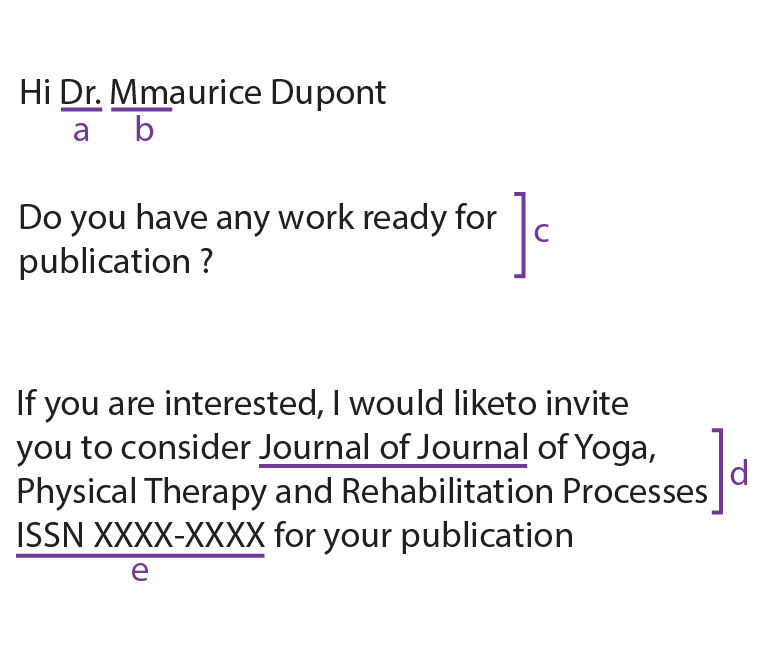
The Power of Personalization
Personalization is what separates a welcome message from an unwelcome one. It shows you've invested time to learn about the person you're contacting. This instantly builds a small amount of trust and makes your email stand out in a crowded inbox.
A generic email might start with "Dear Sir or Madam" and talk all about the sender's product. It's lazy and immediately signals that the message isn't important.
A personalized email, however, might mention a recent article the person wrote, a project their company launched, or a common connection you share. It connects your message to their world.
Cold email personalization works because it makes your outreach feel specific, relevant, and worth responding to.
For example, instead of saying:
"We sell the best project management software."
You could say:
"I saw on LinkedIn that you just expanded your engineering team to 20 people. Congratulations! Managing a growing team's projects can be tough, and I had a few ideas on how to make it smoother."
See the difference? The first is a generic pitch. The second is a relevant conversation starter. It shows you know who you're talking to and have thought about their specific challenges.
Now that you understand the basics, let's test your knowledge.
What is the primary goal of sending an initial cold email?
What is the most significant factor that distinguishes a thoughtful cold email from spam?
Getting cold email right is about being thoughtful, relevant, and respectful of the other person's time. By focusing on personalization and offering real value, you can turn a cold outreach into a warm conversation.