Mastering Coffee Brewing
Coffee Beans
The Tale of Two Beans
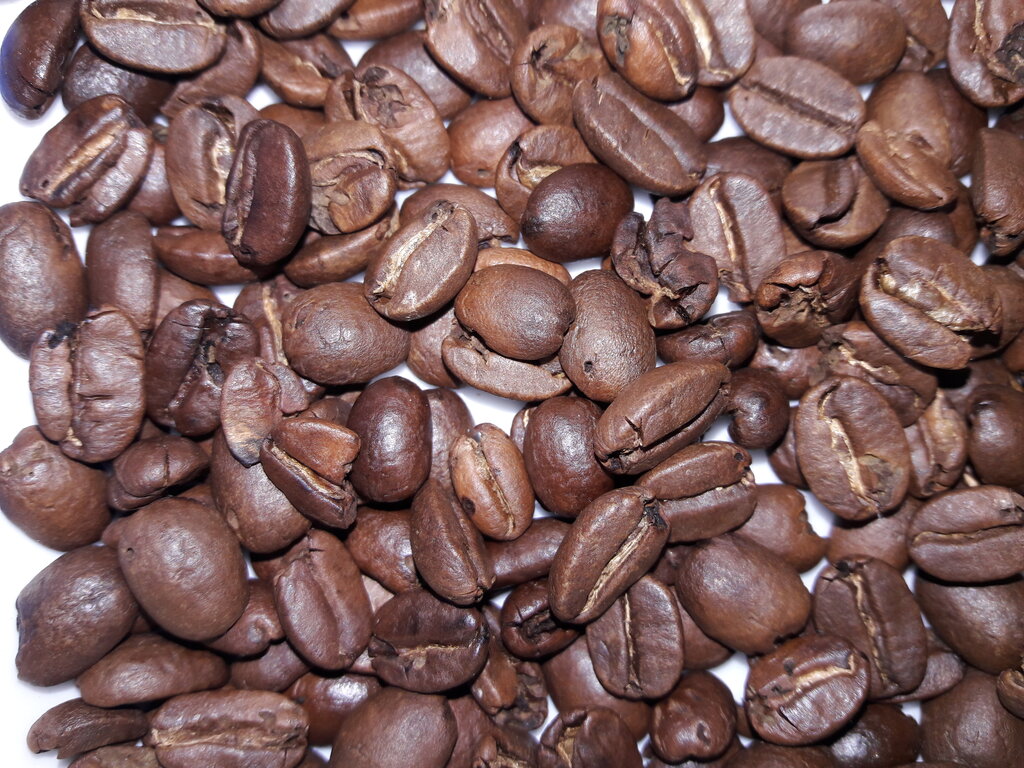
Nearly all the coffee in the world comes from two species: Arabica and Robusta. Think of them as the foundational grape varieties of the coffee world, like Cabernet Sauvignon and Chardonnay. They look different, grow in different places, and taste dramatically different in the cup.
Arabica beans are the diva of the coffee world. They demand high altitudes, specific rainfall, and mild temperatures. This fussiness is worth it, though. Arabica offers a complex, aromatic, and acidic flavor profile with notes of fruit and flowers. It accounts for over 60% of the world's coffee and is what you'll typically find in specialty coffee shops.
Robusta is, well, more robust. It's a hardier plant that can handle hotter climates and is more resistant to disease. Robusta beans pack a punch, with roughly double the caffeine of Arabica. Their flavor is bold, strong, and often described as rubbery or chocolatey, making them a common component in espresso blends and instant coffee.
| Feature | Arabica (Coffea arabica) | Robusta (Coffea canephora) |
|---|---|---|
| Flavor | Complex, sweet, floral, fruity | Bold, strong, chocolatey, nutty |
| Acidity | High | Low |
| Caffeine | ~1.5% by weight | ~2.5% or more by weight |
| Shape | Oval | Round |
| Growing | High altitudes, mild climate | Hot climates, irregular rainfall |
| Cost | Higher | Lower |
A Sense of Place
Just like wine grapes, coffee beans are deeply influenced by where they are grown. The combination of soil, altitude, climate, and rainfall, often called terroir, creates distinct flavor profiles unique to a region.
Factors such as altitude, soil composition, climate, and rainfall play significant roles in the development of coffee beans with exceptional flavors.
Here’s a quick tour of the world's major coffee-growing regions, often called the “Bean Belt”:
-
Latin America: Coffees from countries like Colombia, Guatemala, and Costa Rica are known for their clean, balanced, and bright flavors. Expect notes of nuts, chocolate, and a crisp acidity.
-
Africa: Ethiopia, the birthplace of coffee, produces beans with vibrant floral and fruity notes, like jasmine and blueberry. Kenyan coffees are often prized for their wine-like acidity and complex flavors of blackcurrant and tomato.
-
Asia: Indonesian coffees, especially from Sumatra, are famous for their earthy, full-bodied, and low-acidity profiles. You might taste notes of dark chocolate, cedar, and spice. Coffees from Vietnam, a major Robusta producer, are powerful and bold.
From Cherry to Bean
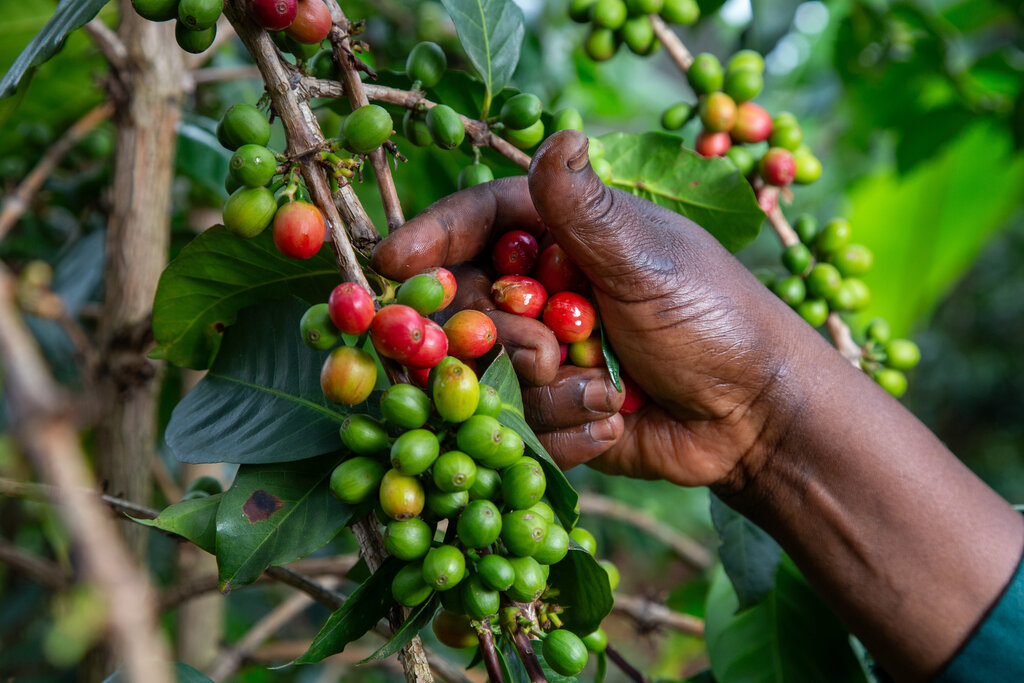
Coffee beans are the seeds of a fruit called a coffee cherry. Before they can be roasted, the beans must be removed from the fruit and dried. The method used for this processing has a huge impact on the final taste.
-
Washed: The fruit pulp is completely washed off the bean before drying. This method produces a clean, bright cup that highlights the bean's inherent flavors, reflecting its origin.
-
Natural (or Dry): The entire coffee cherry is dried whole, like a raisin, before the bean is removed. This process imparts intense, sweet, and fruity flavors to the bean.
-
Honey (or Pulped Natural): This is a middle ground. The skin is removed, but some of the sticky fruit mucilage (the "honey") is left on the bean during drying. This creates a cup with a balanced sweetness, a syrupy body, and a milder acidity than washed coffees.
The Art of the Roast
Roasting is what transforms the dense, green, grassy-smelling coffee bean into the aromatic, brittle, and flavorful bean we grind for brewing. The roaster controls time and temperature to unlock the bean's potential.
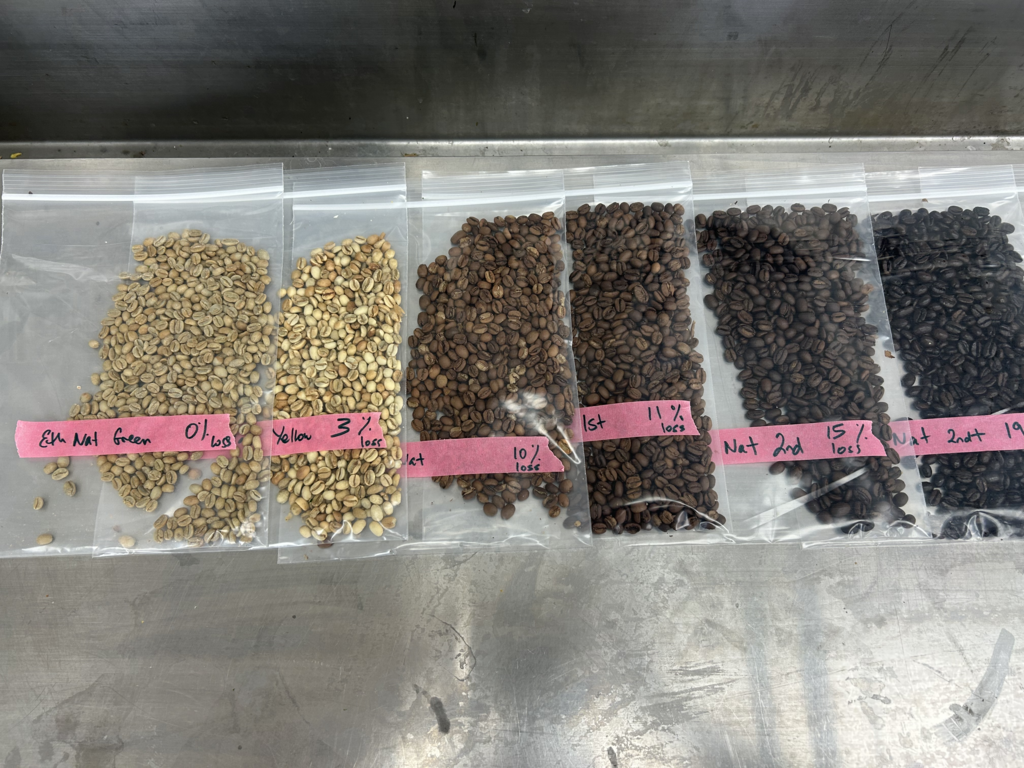
Roast levels are generally categorized into light, medium, and dark.
-
Light Roast: Roasted for a shorter time, these beans are light brown and have no oil on their surface. A light roast preserves the coffee's origin characteristics, resulting in higher acidity and bright, floral or fruity notes.
-
Medium Roast: A balance between acidity and body. These beans are medium brown and rarely have an oily surface. They have a more rounded flavor profile, with the bean's origin notes being softened by the deeper roast flavors of caramel and chocolate.
-
Dark Roast: Roasted until they are dark brown or nearly black, these beans are often shiny with oil. The roasting process itself dominates the flavor, resulting in a low-acidity, full-bodied cup with bold, smoky, or bittersweet notes.
Light roasts preserve the bean’s original flavors and offer bright acidity, while dark roasts deliver bold, smoky flavors with lower acidity.
Freshness is Key
Coffee is a fresh product. Once roasted, beans begin to lose their flavor and aroma due to oxidation. The peak flavor is typically within one to two weeks after the roast date. Pre-ground coffee loses freshness even faster because more surface area is exposed to the air.
To keep your beans at their best, follow these simple storage rules:
- Buy Fresh: Look for a "roasted on" date on the bag. If there isn't one, the coffee is likely not fresh.
- Store in an Airtight Container: Keep your beans in an opaque, airtight container at room temperature.
- Avoid the Elements: Protect your coffee from its enemies: oxygen, light, heat, and moisture.
- Buy Whole Bean: Grind your coffee right before you brew. It's the single biggest step you can take to improve the taste of your coffee at home.
Rule of thumb: Treat coffee beans like you would fresh bread. You wouldn't buy a pre-sliced loaf from last month, so don't do it with your coffee.
Ready to test your knowledge about the journey from plant to roaster?
Which coffee species is known for its high caffeine content, hardiness, and bold, chocolatey flavor profile, often used in espresso blends and instant coffee?
If a coffee is described as having a clean, bright taste that clearly reflects its origin (e.g., the nutty notes of a Colombian bean), which processing method was most likely used?
Understanding the bean is the first step toward a better cup. By knowing the difference between Arabica and Robusta, appreciating how origin and processing shape flavor, and respecting the importance of roasting and freshness, you're well on your way.