Mastering Cloud Computing and VMware Virtualization
Cloud Computing Basics
What is Cloud Computing?
At its core, cloud computing is about renting computing resources over the internet instead of owning and maintaining your own. Think of it like using a power company instead of running your own generator. You just plug in and use what you need, when you need it.
The National Institute of Standards and Technology (NIST) offers a more formal definition. It describes cloud computing as a model for easy, on-demand access to a shared pool of configurable resources—like networks, servers, storage, applications, and services—that can be quickly set up and released with minimal effort.
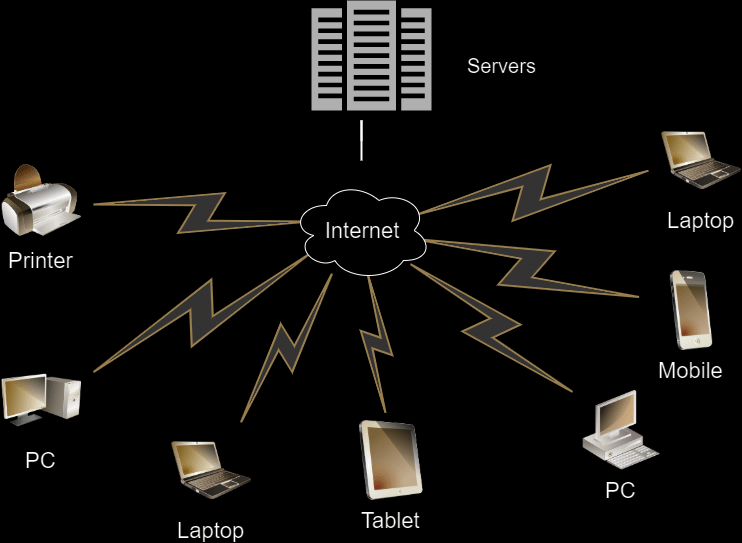
This model isn’t just a technical shift; it changes how businesses and individuals use technology. Instead of buying expensive servers and software, you can access those same services from a cloud provider like Amazon Web Services (AWS), Google Cloud, or Microsoft Azure.
Cloud computing is the delivery of computing services—servers, storage, databases, networking, software, analytics, and intelligence—over the internet (“the cloud”).
The Five Essential Traits
For a service to be considered “cloud computing,” it needs to have five specific characteristics. These traits are what make the cloud so powerful and different from traditional computing.
On-Demand Self-Service: You can get computing resources like server time or storage automatically, without needing to talk to a human. If you need a new server, you can launch one from a web dashboard in minutes.
Broad Network Access: Services are available over the network and can be accessed by a wide variety of devices, such as laptops, tablets, and smartphones.
Resource Pooling: The provider's resources are pooled to serve multiple customers, with different physical and virtual resources dynamically assigned according to demand. You usually don't know or care about the exact physical location of your data or computing processes.
Rapid Elasticity: You can scale your resources up or down quickly, and in some cases, automatically. If your website suddenly gets a surge in traffic, the cloud can automatically add more server capacity to handle it.
Measured Service: Cloud systems automatically control and optimize resource use by using a metering capability. You only pay for what you use, much like a water or electricity bill. This pay-as-you-go model is a hallmark of cloud computing.
The Three Service Models
Cloud computing is typically offered in three different service models. Each model represents a different level of management and control over your IT resources. A simple analogy is building a pizza.
| Model | What You Manage | Pizza Analogy |
|---|---|---|
| IaaS (Infrastructure) | Servers, Storage, Networking | You get the kitchen, oven, and ingredients. You make the pizza yourself. |
| PaaS (Platform) | Applications, Data | You order a pizza for delivery. You just provide the table and drinks. |
| SaaS (Software) | Nothing | You go out to a restaurant. They handle everything from cooking to cleanup. |
Infrastructure as a Service (IaaS) is the most basic category. It provides you with fundamental computing infrastructure: virtual servers, storage, and networking. It's like leasing the hardware, but in a virtual environment. You are responsible for managing the operating system, middleware, and applications.
Platform as a Service (PaaS) gives you a platform to develop, run, and manage applications without the complexity of building and maintaining the underlying infrastructure. The cloud provider handles the servers, storage, and networking, so developers can focus purely on their application code.
Software as a Service (SaaS) is the most common model. It delivers software applications over the internet, on a subscription basis. With SaaS, you don't need to worry about how the service is maintained or how the underlying infrastructure is managed. You just use the software. Think of Gmail or Salesforce.
Four Ways to Deploy
Finally, there are four main ways to deploy cloud services. The choice depends on an organization's needs for security, control, and scalability.
Public Cloud: The cloud infrastructure is owned and operated by a third-party cloud service provider (like AWS or Google Cloud) and delivered over the internet. All hardware, software, and other supporting infrastructure are owned and managed by the provider.

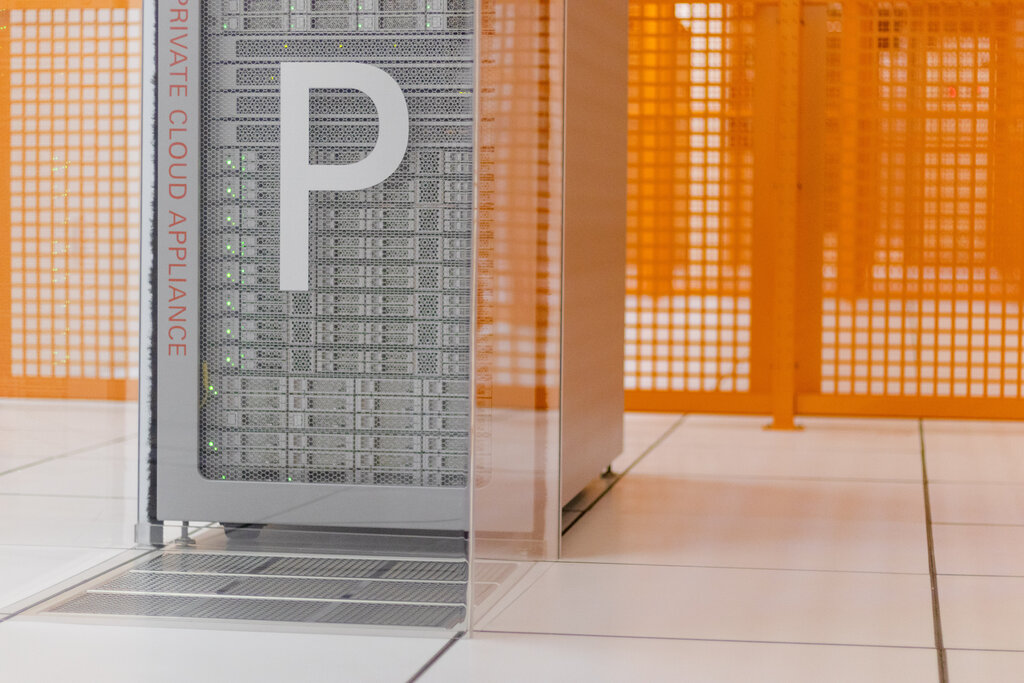
Private Cloud: The cloud infrastructure is operated exclusively for a single organization. It can be physically located on-premises or hosted by a third-party service provider. This offers more control and security.
Community Cloud: The infrastructure is shared by several organizations with common concerns, such as specific security requirements or a shared mission. It's a semi-private cloud for a specific community.
Hybrid Cloud: This model combines a private cloud with one or more public cloud services, allowing data and applications to be shared between them. This gives businesses greater flexibility and more deployment options.
Time to check what you've learned.
Which statement best describes the core concept of cloud computing?
A popular e-commerce website automatically scales up its server capacity to handle the surge in traffic during a Black Friday sale, then scales back down as the rush subsides. Which essential cloud characteristic does this scenario best demonstrate?
Understanding these fundamental concepts is the first step in navigating the world of cloud computing. These models and characteristics are the building blocks for nearly every cloud service available today.