Mastering Client Pricing Presentations
Understanding Client Communication
It Starts with Listening
Before you can talk about what something costs, you need to understand what it's worth to the other person. This is where most conversations about price go wrong. We jump into the numbers without first understanding the client's actual needs, hopes, and problems. The most effective tool for this is not a better sales pitch, but better listening.
Active listening isn't just waiting for your turn to talk. It's a focused effort to understand the speaker's message and intent. When a client is speaking, your goal is to hear not only their words but also the meaning behind them. What challenges are they really facing? What does a successful outcome look like for them? Answering these questions helps you connect your pricing directly to the value you provide.
A simple but powerful active listening technique is to summarize what you've heard and ask, "Did I get that right?" This shows you're paying attention and gives the client a chance to clarify their thoughts.
Pro tip: Practice the 70 30 rule during negotiations. Listen 70% of the time and speak only 30% of the time, focusing on asking thoughtful questions that reveal deeper client insights.
Speak Clearly and Simply
Once you understand the client's needs, it's time to articulate your value and pricing. The key here is clarity. Jargon, complex terms, and vague language create confusion and distrust. When you talk about pricing, your explanation should be so simple that the client can easily explain it to someone else.
Think of it this way: complexity creates friction. Simplicity builds momentum. Instead of saying, "We'll leverage synergistic frameworks to optimize your go-to-market strategy," try, "We'll help you find more customers by improving your marketing plan." The second one is clear, confident, and focuses on the result.
| Instead of This (Confusing) | Try This (Clear) |
|---|---|
| "Our pricing matrix is based on a tiered-usage algorithm." | "The price depends on how much you use the service. Here are the three levels." |
| "This package includes our proprietary optimization suite." | "This package includes tools to help your website run faster." |
| "The total investment actualizes at..." | "The total cost is..." |
Build Rapport and Trust
People buy from people they trust. Trust isn't built on a perfect presentation, but on genuine connection. Rapport is the foundation of that connection. It’s the feeling of being understood and on the same side. When you have rapport, conversations about price feel less like a confrontation and more like a collaboration.
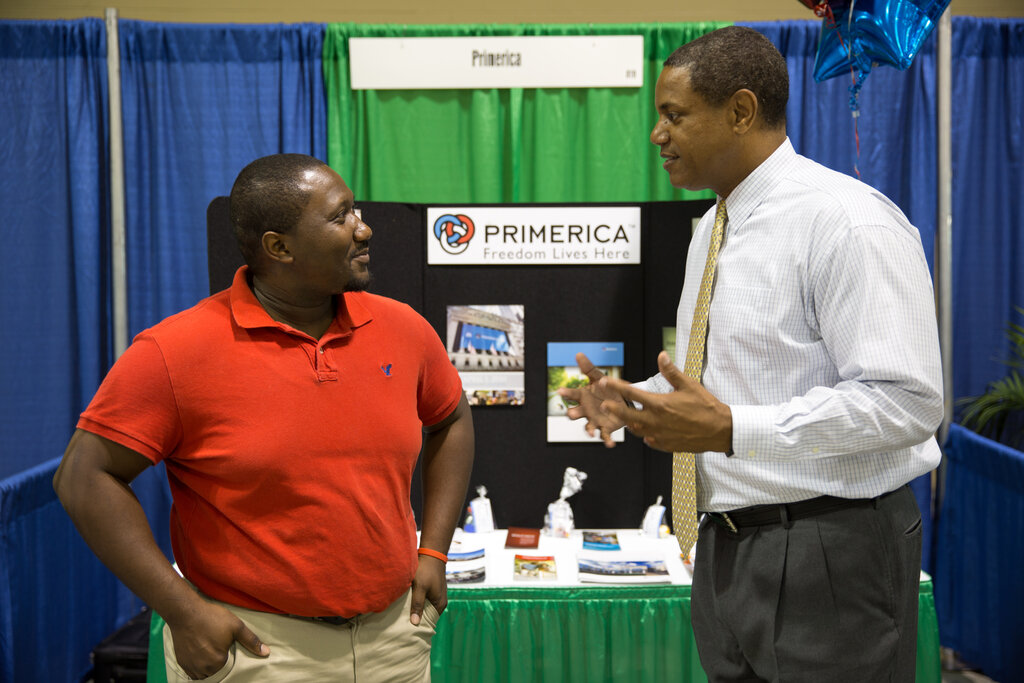
Building rapport can be as simple as remembering and using the client's name, finding a shared interest, or acknowledging a point they made earlier in the conversation. It's about showing you see them as a person, not just a potential sale. This creates a sense of psychological safety, making them more comfortable discussing sensitive topics like budgets and costs.
Adapt to Your Audience
Not everyone processes information in the same way. A one-size-fits-all communication style will only work some of the time. The best communicators are chameleons, adapting their approach to fit the client's personality and needs.
Listen for clues in how the client speaks. Do they focus on data and facts? Do they care more about relationships and feelings? Do they get straight to the point, or do they like to explore ideas? Adjusting your style to match theirs makes your message much easier for them to hear and accept.
| Client Type | How to Recognize Them | How to Communicate Pricing |
|---|---|---|
| The Analytical | Asks for data, details, and proof. Cautious and logical. | Provide a detailed breakdown. Explain the 'why' behind the numbers. Give them time to process. |
| The Driver | Focused on results and the bottom line. Decisive and direct. | Be brief and to the point. Connect the price directly to the outcome. Present options clearly. |
| The Amiable | Values relationships, trust, and harmony. A good listener. | Build rapport first. Explain how your service will help their team. Offer personal assurances. |
| The Expressive | Enthusiastic, creative, and focused on the big picture. | Paint a picture of the future. Use testimonials and case studies. Focus on the vision, not just the details. |
By mastering these fundamental communication skills, you turn a potentially tense conversation about pricing into a productive discussion about value and partnership.