Mastering Clear Thinking and Judgment
Introduction to Critical Thinking
What Is Critical Thinking?
Critical thinking is the process of carefully analyzing information to make a better judgment. It’s not about being negative or critical of others. Instead, it's about thinking actively and independently, rather than just passively accepting what you hear or read.
Critical Thinking is the process of using and assessing reasons to evaluate statements, assumptions, and arguments in ordinary situations.
Think of it like being a detective. When a detective arrives at a crime scene, they don't just accept the first story they hear. They look for evidence, question witnesses, and consider different possibilities before drawing a conclusion. That's critical thinking in action. You're not just taking things at face value; you're digging deeper to understand the full picture.
The Core Components
Critical thinking isn't a single skill but a collection of related abilities that work together. Three of the most important components are analysis, evaluation, and inference. Let's break down what each one means.
Analysis is about breaking down a large idea or problem into smaller, more manageable parts. When you analyze something, you're examining its structure and identifying the key pieces of information. For example, if you read a news article, analysis involves identifying the main argument, the evidence presented, and any assumptions the author is making.
Evaluation comes next. After you've broken down the information, you need to judge its quality. Is the source credible? Is the evidence strong and relevant? Are the arguments logical, or are they full of holes? Evaluation is where you assess the value and reliability of the information.
Finally, inference is about drawing a conclusion. Based on your analysis and evaluation, you form a reasoned judgment. An inference isn't just a random guess; it's a logical conclusion based on the evidence and reasoning you've carefully examined.
Why It Matters
Developing critical thinking skills offers huge benefits in nearly every area of life. It helps you make better decisions, solve problems more effectively, and communicate your ideas more clearly.
From choosing a product at the store to making a major career move, critical thinking helps you navigate life's choices with more confidence and clarity.
In your daily life, critical thinking helps you become a more informed citizen and consumer. You can see through misleading advertisements, identify fake news, and understand complex issues. It empowers you to form your own opinions rather than simply adopting the views of others.
At work, these skills are highly valued. Employers want people who can think for themselves, tackle unexpected challenges, and come up with creative solutions. Whether you're a nurse diagnosing a patient, a marketer analyzing campaign data, or a programmer debugging code, the ability to think critically is essential for success.
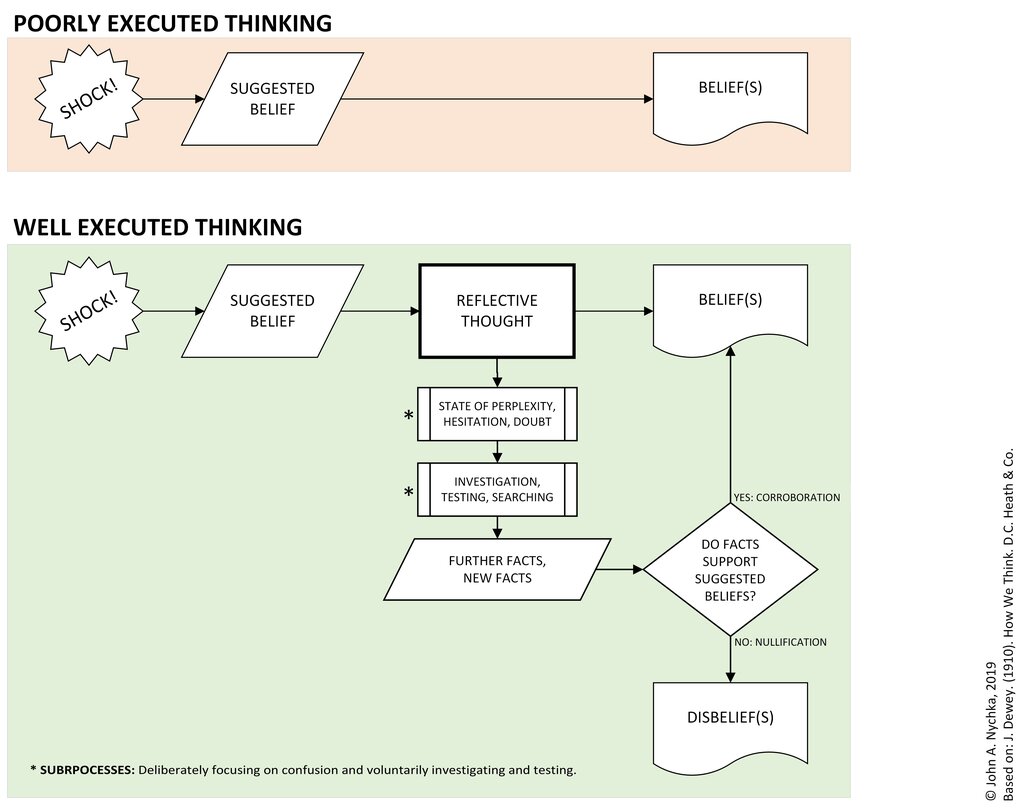
Ultimately, practicing critical thinking helps you become a more active and engaged learner. You start asking questions, challenging assumptions, and seeking out different perspectives. This curiosity not only makes you smarter but also makes the world a more interesting place.
Ready to check your understanding? This quiz will cover the main ideas we've discussed about critical thinking.
What is the primary goal of critical thinking?
You are reading an online product review. You consider the reviewer's potential biases, check if their claims are supported by specific details, and compare their review to others. Which component of critical thinking are you primarily using?
By understanding and practicing these core skills, you're building a foundation for clearer, more thoughtful engagement with the world around you.