Mastering Clear Learning Strategies
Defining Clear Learning
What is Clear Learning?
Clear learning isn't about studying harder or longer. It's about studying smarter. Think of it as the difference between wandering aimlessly in a forest and navigating with a map and compass. Both involve walking, but only one is intentional and directed towards a specific destination.
Traditional learning often feels like wandering. You might re-read your textbook, highlight passages, and review your notes. These activities create a feeling of familiarity with the material, but familiarity isn't the same as understanding. Clear learning, on the other hand, is an active approach. It’s about having a specific goal for what you want to know or be able to do, and then using deliberate strategies to get there.
The core idea is simple: move from being a passive recipient of information to an active participant in your own education.
The Brain on Clear Learning
Engaging in clear learning has significant cognitive benefits. When you actively work with information—by summarizing it, explaining it in your own words, or connecting it to what you already know—you build stronger, more complex neural pathways. This leads directly to better comprehension.
Instead of just memorizing isolated facts, you start to see the bigger picture. The material becomes a network of interconnected ideas, which is much easier for your brain to store and access later. This process dramatically improves long-term retention. Information isn't just crammed into short-term memory for a test; it's integrated into your lasting knowledge base.
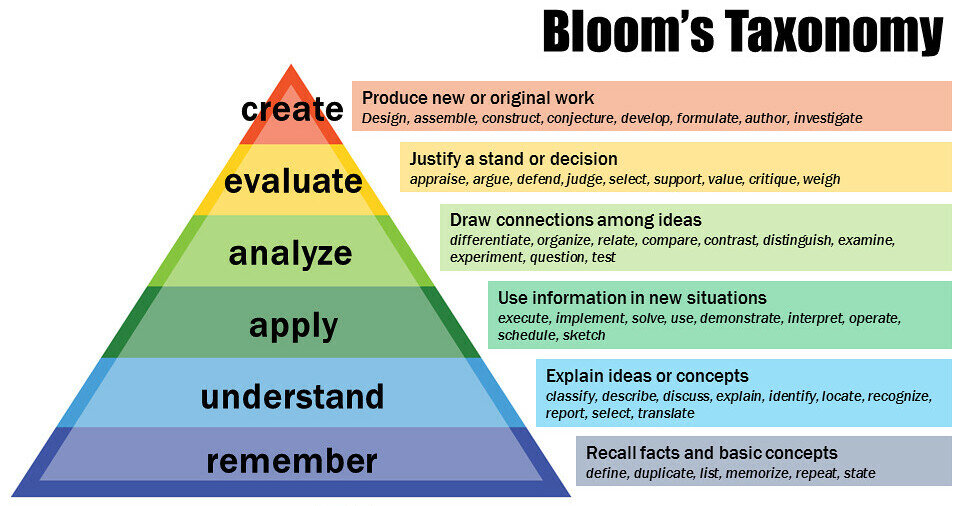
This shift from passive to active learning is what separates superficial knowledge from deep understanding.
| Traditional Learning | Clear Learning | |
|---|---|---|
| Focus | Exposure to information | Mastery of concepts and skills |
| Common Activity | Re-reading, highlighting | Explaining concepts, solving problems |
| Goal | "Covering" the material | Understanding and applying the material |
| Typical Feeling | "I've seen this before." | "I understand this and can use it." |
Understanding the distinction between these approaches is the first step. By recognizing that how you learn is just as important as what you learn, you set the stage for building more effective and lasting knowledge.