Mastering Claude: Skills and Applications
Claude's Core Functions
The Core Conversation
At its heart, an AI like Claude is a conversational partner. It’s not just searching a database for keywords. It processes language to understand meaning and then generates new, relevant text in response. Think of it less like a search engine and more like an incredibly well-read assistant who can synthesize information on the fly.
Claude excels at natural language processing, conversation, and text generation.
This all happens through a few core functions. Let's look at how Claude understands what you say, how it formulates a reply, and how it can condense vast amounts of information into a brief summary.
Making Sense of Language
First, Claude needs to understand your request. This process is called Natural Language Understanding (NLU). It's the ability to read and interpret human language, with all its nuances and ambiguities.
For example, consider the sentences: "I need to book a flight" versus "I'm reading a book on the flight." NLU helps Claude distinguish that the first "book" is an action (to reserve), while the second is an object (a physical book). It analyzes grammar, context, and the relationships between words to figure out your actual intent.
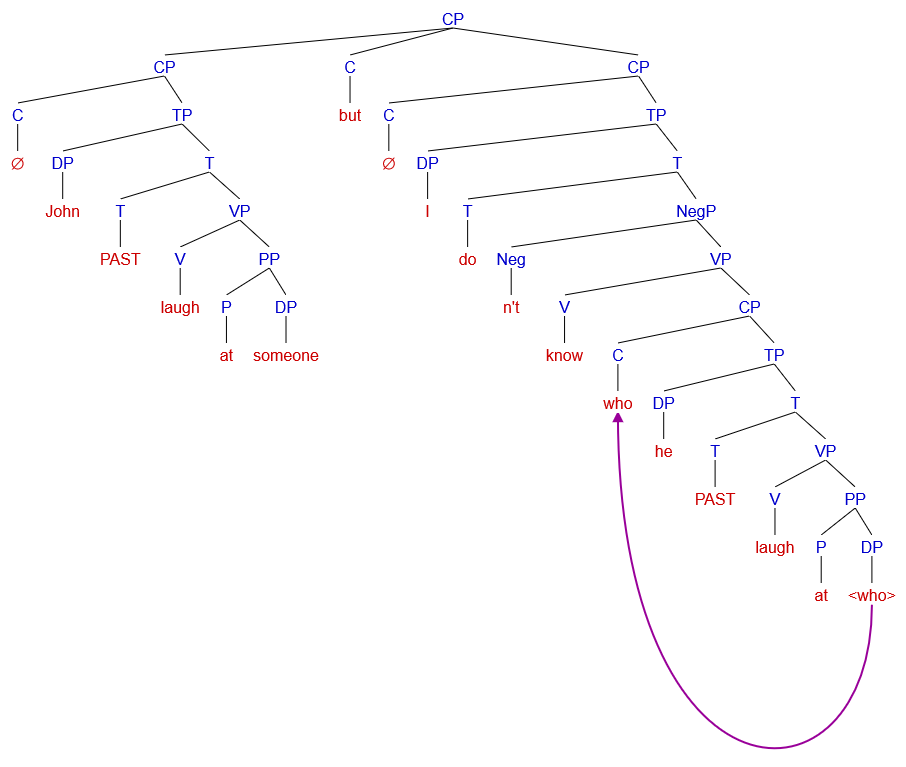
This is how Claude can handle complex instructions. It's not just matching words; it's building a model of what you're trying to communicate. This deep understanding is the foundation for everything else it does.
Creating New Text
Once Claude understands your prompt, it moves on to text generation. This is where it constructs a brand-new response. It's not copying and pasting from a source. Instead, it predicts the next most likely word, and the word after that, to form coherent sentences that answer your question or perform your task.
Imagine stringing beads to make a necklace. Each bead is a word. Based on the pattern and colors of the beads already strung (the context), Claude chooses the next best bead to continue the design. It does this millions of times to write paragraphs, code, or poetry.
The goal of text generation is to produce human-like, relevant, and accurate content based on the input it received.
Summarizing Information
Summarization is a perfect example of understanding and generation working together. You can give Claude a long article, a research paper, or even the transcript of a meeting and ask for a quick summary.
Claude first uses NLU to read the document and identify the key concepts, main arguments, and important data points. It determines what is central to the text and what is supporting detail. Then, it uses text generation to write a new, shorter version of the text that conveys the most critical information in a condensed form. This isn't just about pulling out key sentences; it's about rephrasing and restructuring the ideas into a concise and readable summary.
| Input Type | Claude's Action | Output |
|---|---|---|
| Long news article | Identifies main events, key figures, and outcomes. | A short paragraph covering the essentials of the story. |
| Scientific paper | Extracts the hypothesis, methods, and key findings. | A bulleted list of the paper's main conclusions. |
| Meeting transcript | Pinpoints decisions made and action items assigned. | A concise list of who is responsible for what. |
These three abilities—understanding, generating, and summarizing—are the building blocks for nearly every task you can accomplish with Claude.
Ready to check your understanding of Claude's core functions?
What is the primary role of Natural Language Understanding (NLU) in how Claude processes a request?
When Claude generates a response, it is primarily...
Now that you understand the basics, you're ready to start putting them into practice.