Mastering Claude for Coding and Collaboration
Claude Code Features
Intelligent Code Understanding
Unlike simple autocomplete tools that just guess the next word, Claude Code reads and analyzes your entire project. This means it understands the context of your work, from the overall architecture down to the specific variables you've defined in other files.
It automatically reads and analyzes project files, understanding the code structure and context without you needing to manually add files to the conversation.
Because it has a complete picture of your codebase, its suggestions are far more relevant. If you're calling a function you wrote in a separate module, Claude Code knows what that function expects and how it works. This helps you write code that is consistent with the rest of your project's style and logic.
Real-time Collaborative Programming
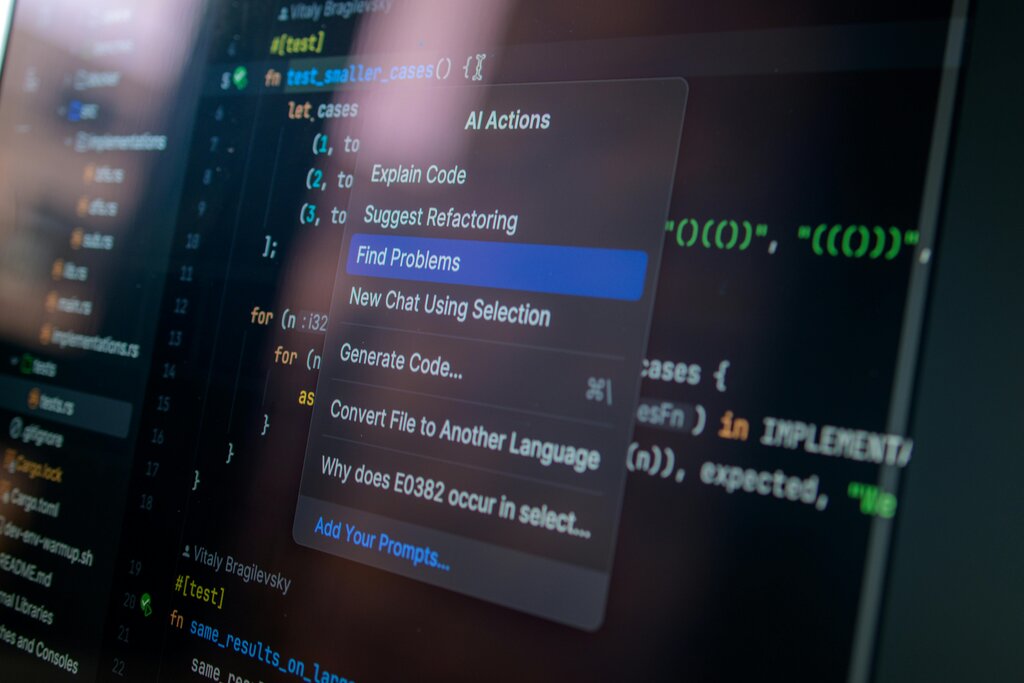
Think of Claude Code as a pair programming partner. It's not just a tool, but a collaborator you can interact with. You can give it instructions in plain English to build new features, refactor messy code, or suggest improvements to a function you're struggling with.
The best results come when you collaborate with Claude interactively.
For example, imagine you have a straightforward but slightly verbose piece of Python code.
# Original Python function
def get_squared_evens(numbers):
    squared_evens = []
    for num in numbers:
        if num % 2 == 0:
            squared_evens.append(num * num)
    return squared_evens
You could ask Claude Code: "Refactor this function to be more Pythonic."
It would analyze the code and suggest a more concise version using a list comprehension, which is a common Python idiom.
# Refactored Python function
def get_squared_evens(numbers):
    return [num * num for num in numbers if num % 2 == 0]
This back-and-forth process of building and refining code together makes development faster and can even help you learn better ways to write code.
Smart Debugging Assistance
Tracking down bugs can be one of the most frustrating parts of programming. Claude Code streamlines this process significantly. Instead of spending hours searching for the source of an error, you can simply give the error message to Claude.
Describe a bug or paste an error message. Claude Code will analyze your codebase, identify the problem, and implement a fix.
For instance, if you get a TypeError: 'NoneType' object is not iterable in Python, you can ask Claude to find the cause. It will trace the error back through your files to pinpoint exactly where a variable is unexpectedly becoming None. It doesn't just point out the problem; it explains why it's happening and suggests a concrete solution.
This turns debugging from a tedious hunt into a quick, targeted fix, letting you spend more time building and less time troubleshooting.
How does Claude Code's approach to code suggestions differ from traditional autocomplete tools?
According to the text, what is an effective way to use Claude Code to improve a verbose but functional piece of Python code?