Mastering Claude for Code Development
Introduction to AI Coding Assistants
Your New Coding Partner
Software development is changing. For decades, writing code was a solitary act between a programmer and their computer. Now, there's a new player in the mix: the AI coding assistant. Think of it less like a tool and more like a partner—one that can help you write, debug, and even optimize your code.
At its core, an AI coding assistant is a program that uses artificial intelligence to understand both human language and programming languages. You can describe a function you need in plain English, and the assistant can generate the code for you. It's not just a glorified autocomplete. It understands context, logic, and can handle complex requests.
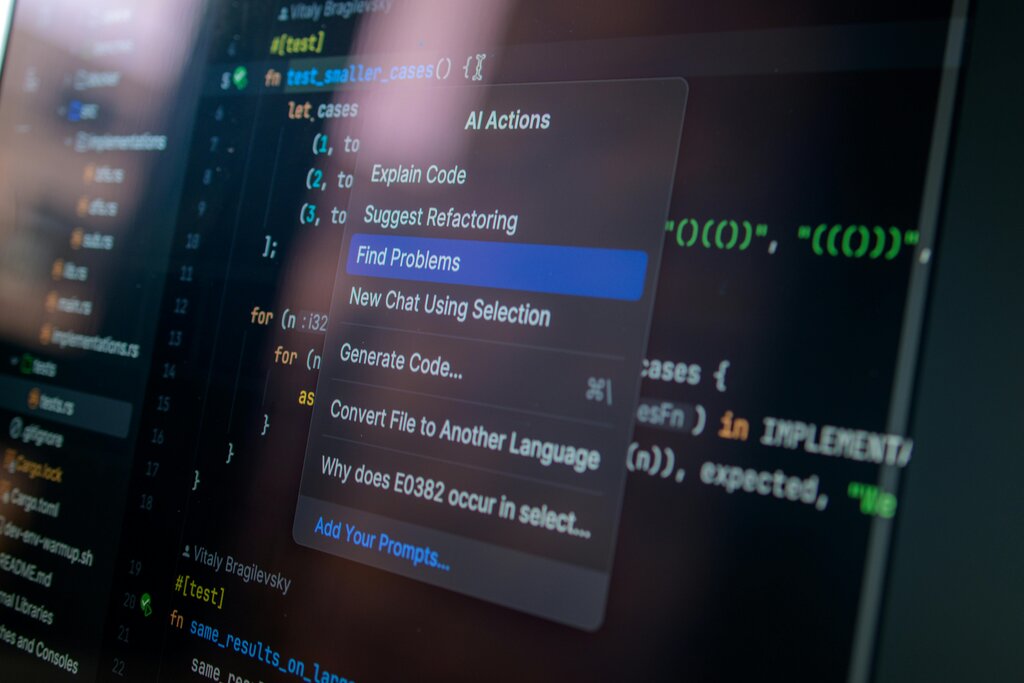
This partnership goes beyond just creating new things. An AI assistant can read your existing code and help you improve it. It can spot subtle bugs that might take hours to find manually or suggest more efficient ways to perform a task. It's like having a senior developer looking over your shoulder, ready to offer advice.
Meet Claude
One of the leading examples of this new wave of tools is Claude, an AI assistant developed by Anthropic. Claude is designed to be a versatile and collaborative partner for developers. It's not tied to a single programming language; it's proficient in many, including Python, JavaScript, and TypeScript.
Claude's abilities cover the entire development process. You can use it to brainstorm ideas, generate boilerplate code, translate code from one language to another, or explain a complex algorithm in simple terms.
Claude acts like a collaborative partner: it can interpret natural language prompts to generate code, explain complex logic, find bugs, and suggest improvements.
Let's look at a practical example. Say you need to write a Python function that takes a list of numbers and returns only the even ones. Instead of writing it yourself, you could just ask.
# Prompt to AI:
# "Write a Python function that filters a list to return only even numbers."

# AI-generated code:
def filter_even_numbers(numbers):
    """Takes a list of numbers and returns a new list containing only the even numbers."""
    return [num for num in numbers if num % 2 == 0]

# Example usage:
my_list = [1, 2, 3, 4, 5, 6, 7, 8]
_even_list = filter_even_numbers(my_list)
print(even_list)  # Output: [2, 4, 6, 8]
This saves time, especially with more complex tasks, allowing developers to focus on higher-level problem-solving rather than routine coding.
Finding and Fixing Bugs
Debugging is often the most challenging part of programming. An AI assistant can be incredibly helpful here. It can analyze code, identify potential errors, and even suggest fixes.
Imagine you have a piece of JavaScript code that isn't working as expected. You can present the code to the AI and ask it to find the problem.
// Prompt to AI:
// "Why does this function return undefined?"

// Problematic code:
function calculate_total(items) {
    let total = 0;
    for (let i = 0; i < items.length; i++) {
        total += items[i].price;
    }
    // Missing return statement!
}

// AI's explanation and suggested fix:
/*
The function `calculate_total` computes the sum but never returns the result.
You need to add `return total;` at the end of the function.
*/

function calculate_total_fixed(items) {
    let total = 0;
    for (let i = 0; i < items.length; i++) {
        total += items[i].price;
    }
    return total; // The fix is added here.
}
By spotting logical errors like a missing return statement, the assistant turns a potentially long debugging session into a quick fix. This ability to rapidly diagnose issues is one of the biggest benefits of using these tools.
What is the primary role of an AI coding assistant in modern software development?
How does an AI coding assistant differ from a traditional code autocomplete tool?
Using an AI assistant effectively is a skill, but even at a basic level, it can significantly speed up development and help you learn.