Mastering Classroom Command
Understanding Classroom Dynamics
The Classroom Ecosystem
A classroom is more than just a room with desks and a board. It's a complex, living ecosystem where every element influences the others. The teacher, the students, the arrangement of the furniture, and the unspoken social rules all work together to shape the learning experience. Understanding these dynamics is the first step toward creating an environment where students don't just learn, but thrive.
Roles in the Room
In a dynamic classroom, the traditional roles of teacher and student evolve. The teacher is not just a dispenser of information, but a facilitator of learning. Their job is to design experiences that spark curiosity, guide exploration, and create a supportive atmosphere. They set the tone, manage the flow of the day, and model the very behaviors they hope to see in their students, like respect and a passion for learning.
The student's role is equally active. They are no longer passive vessels waiting to be filled with knowledge. Instead, they are explorers, collaborators, and active participants in their own education. This means asking questions, working with peers, and taking ownership of their progress. When students feel empowered, they become more engaged and motivated.
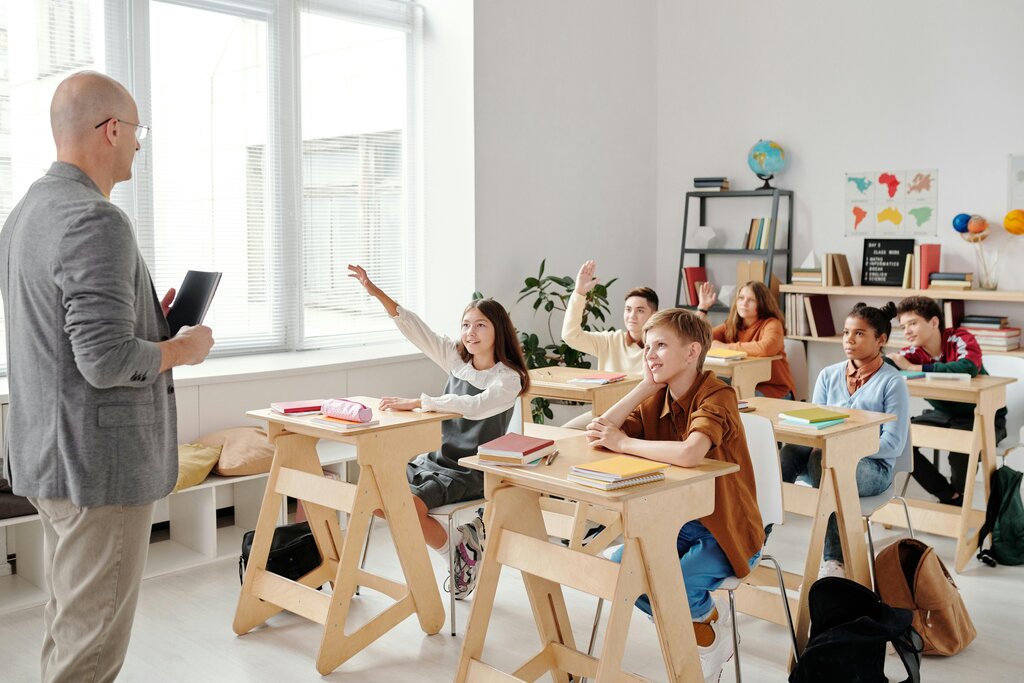
The most effective classrooms are communities where the teacher acts as a guide, and students learn to navigate their educational journey together.
Setting the Stage
The environment itself is a powerful teacher. It's composed of both the physical space and the social atmosphere, each playing a critical role in how students learn and interact.
The physical layout sends a strong message. Desks in straight rows facing the front suggest a teacher-focused, lecture-style environment. Grouping desks into pods or circles encourages collaboration and discussion among students. A well-organized, clean, and inviting space can also reduce anxiety and help students focus.
Just as important is the social environment. This is the emotional climate of the classroom. Is it a place where students feel safe to ask questions and make mistakes? Is there a sense of mutual respect between the teacher and students, and among the students themselves? A positive social environment is built on clear expectations, trust, and a shared understanding that everyone is there to learn and grow.
Creating a supportive and inclusive classroom environment is essential for fostering student engagement and motivation.
Cultural Sensitivity
Every student walks into the classroom with a unique background, including cultural norms, family structures, and personal experiences. Being culturally sensitive means recognizing and respecting these differences. It's not about treating everyone the same; it's about giving everyone what they need to succeed.
This involves learning about your students' backgrounds, incorporating diverse perspectives into your lessons, and being mindful of how your own cultural lens might shape your interactions. When students see their own cultures reflected and respected in the classroom, they feel a stronger sense of belonging. This connection is fundamental to building the trust needed for genuine learning to occur.
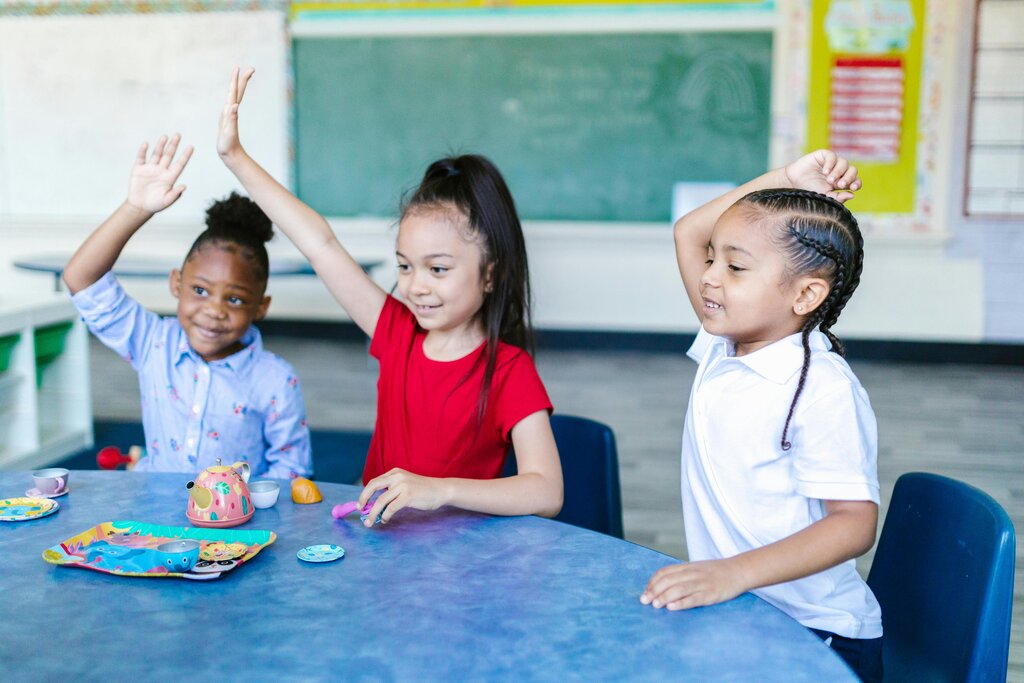
Understanding these core dynamics—the roles, the environment, and the cultural context—provides the foundation for everything else. Before applying any specific strategy, a teacher must first be a keen observer of their classroom's unique ecosystem.