Mastering CISSP Certification
Security and Risk Management
The Core of Security
At the heart of information security are three fundamental goals. Together, they form what's known as the CIA triad. This isn't about espionage; it's about keeping information safe. The letters stand for Confidentiality, Integrity, and Availability.
The core objectives of cybersecurity are structured around a fundamental framework known as the CIA Triad: Confidentiality, Integrity, and Availability.
Confidentiality is about privacy and secrecy. It means preventing the unauthorized disclosure of information. Think of it like a sealed letter. Only the intended recipient should be able to open it and read the contents. If someone else gets a peek, confidentiality is broken.
Integrity ensures that information is trustworthy and accurate. It hasn't been tampered with or altered by someone who shouldn't have. Imagine checking your bank account balance. You trust that the number you see is correct and hasn't been randomly changed. That's integrity.
Availability means that information and systems are accessible to authorized users when they need them. If you go to an ATM to withdraw cash, you expect it to be working. If the machine is offline, the service isn't available. In the digital world, this could mean a website being down or being unable to access your files.
Governance and Rules
Knowing the goals of security is one thing; achieving them is another. This is where security governance comes in. Governance is the framework of policies, roles, and processes an organization uses to manage its security. It's the 'who, what, and why' of protecting information.
Good governance ensures that security decisions align with the organization's overall mission. It sets the direction from the top down, establishing who is responsible for protecting different assets and how success will be measured. It's not just about buying technology; it's about creating a culture of security.
Effective governance turns random security efforts into a coordinated strategy.
A major part of governance is compliance. This means adhering to specific rules and standards set by governments, industry bodies, or other external parties. These rules aren't optional. Failing to comply can lead to fines, legal action, and a loss of trust.
Legal and regulatory requirements vary widely depending on the industry and location. For example, healthcare organizations must protect patient data, while financial institutions have strict rules about how they handle money.
| Regulation | Industry | Purpose |
|---|---|---|
| GDPR (General Data Protection Regulation) | General (EU) | Protects the personal data and privacy of EU citizens. |
| HIPAA (Health Insurance Portability and Accountability Act) | Healthcare (US) | Safeguards protected health information (PHI). |
| PCI DSS (Payment Card Industry Data Security Standard) | Finance | Secures credit and debit card transactions against data theft. |
| SOX (Sarbanes-Oxley Act) | Public Companies (US) | Prevents accounting errors and fraudulent financial practices. |
Ethics and Risk
Beyond formal laws and regulations, security professionals are guided by a code of professional ethics. This involves acting honorably, honestly, justly, and legally. It means protecting sensitive information not just because a rule says so, but because it's the right thing to do. An ethical mindset is crucial when dealing with confidential data and powerful systems.
Finally, all of these principles come together in the practice of risk management. A risk is any threat that could exploit a vulnerability to damage an asset. You can't protect against everything, so organizations must be strategic.
Risk management is the process of identifying, assessing, and prioritizing these risks. Once a risk is understood, the organization can decide how to handle it.
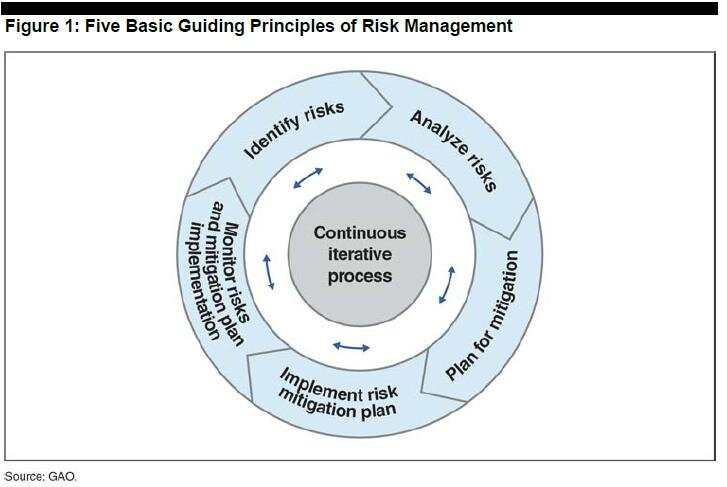
There are four main ways to treat a risk:
- Avoidance: Stop doing the activity that causes the risk. For example, if hosting a web server is too risky, you could decide not to have one.
- Transference: Shift the risk to a third party. Buying insurance is a classic example. If a disaster occurs, the financial impact is transferred to the insurance company.
- Mitigation: Implement controls to reduce the likelihood or impact of the risk. Installing security software or training employees are forms of mitigation.
- Acceptance: If the risk is low enough, or the cost of addressing it is too high, an organization might choose to accept it and deal with the consequences if it occurs.
By carefully managing risks, organizations can focus their resources on the threats that matter most, ensuring a security posture that is both effective and efficient.
Time to check what you've learned about the foundations of security and risk management.
An unauthorized user gains access to a company's financial records and changes several transaction amounts. Which fundamental security goal has been violated?
A small business is concerned about the potential financial loss from a ransomware attack. They decide to purchase a comprehensive cyber insurance policy. Which risk treatment strategy are they employing?
Understanding these core principles is the first step in building a secure and resilient environment.