Mastering Cholesterol Blood Test Interpretation
Lipid Panel Components
What's in a Lipid Panel?
A lipid panel is a blood test that measures the amount of specific fats, or lipids, in your bloodstream. Think of it as a snapshot of the different types of fatty substances circulating in your body. These lipids are crucial for building cells, producing hormones, and storing energy. But like many things in health, balance is key. Let's break down exactly what this test looks at.
The Main Players
The panel reports on several key components. The first is a broad overview.
Total Cholesterol: This is a composite score. It represents the sum of all the cholesterol in your blood, including both low-density and high-density lipoproteins. It gives a general look at your cholesterol status but doesn't tell the whole story on its own.
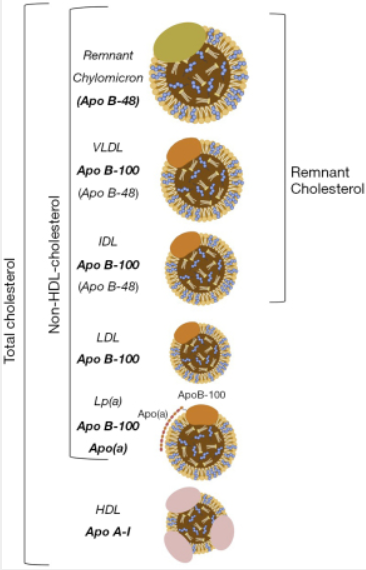
To understand the details, we need to look at the different types of lipoproteins, which are particles that transport cholesterol through the blood. They aren't all created equal.
High-Density Lipoprotein (HDL)
noun
Often called "good" cholesterol, HDL acts like a scavenger. It picks up excess cholesterol from your arteries and carries it back to the liver, where it's broken down and removed from the body. Higher levels of HDL are generally considered protective against heart disease.
On the other side of the coin is LDL.
Low-Density Lipoprotein (LDL)
noun
Known as "bad" cholesterol, LDL transports cholesterol particles throughout your body. When you have too much LDL, it can build up in the walls of your arteries, making them hard and narrow. This buildup is called plaque, and it's a major risk factor for heart attack and stroke.
The lipid panel also looks at another type of fat that isn't cholesterol.
Triglycerides
noun
This is the most common type of fat in your body. Triglycerides store unused calories and provide your body with energy. While necessary, very high levels are often associated with health problems and can increase your risk for heart disease.
Finally, there's one more lipoprotein to consider, which is closely linked to triglycerides.
Very Low-Density Lipoprotein (VLDL)
noun
VLDL is another type of "bad" cholesterol. It's produced in the liver and released into the bloodstream to supply the body with triglycerides. As VLDL travels through the body and offloads triglycerides, it eventually becomes LDL. High VLDL levels mean you have more particles that can contribute to plaque buildup.
Together, these five measurements provide a detailed look at the fats in your blood. Let's review the key players.
Understanding each component is the first step in making sense of your cardiovascular health.