Mastering Chicken Cookery
Chicken Basics
Understanding the Bird
Chicken is incredibly versatile, but not all parts are created equal. The key to a great chicken dish is choosing the right cut for the job. A chicken is broadly divided into white meat and dark meat. White meat, like the breast, is lean and cooks quickly. Dark meat, found in the legs and thighs, has more fat and connective tissue, which makes it juicier and more flavorful.
Each part has its own texture and ideal cooking method. Understanding these differences is the first step to becoming a better cook.
| Part | Type | Characteristics | Best For |
|---|---|---|---|
| Breast | White Meat | Lean, tender, mild flavor | Grilling, pan-searing, baking, stir-frying |
| Thigh | Dark Meat | Juicy, flavorful, more fat | Roasting, braising, stewing, grilling |
| Drumstick | Dark Meat | Rich flavor, on the bone | Baking, frying, grilling, slow-cooking |
| Wing | Mixed | Skin and bone, rich flavor | Frying, baking, grilling (great for sauces) |
How to Pick a Good Chicken
When you're at the grocery store, a few simple checks can ensure you bring home a quality bird. Freshness is everything. The best chicken will lead to the best meal.
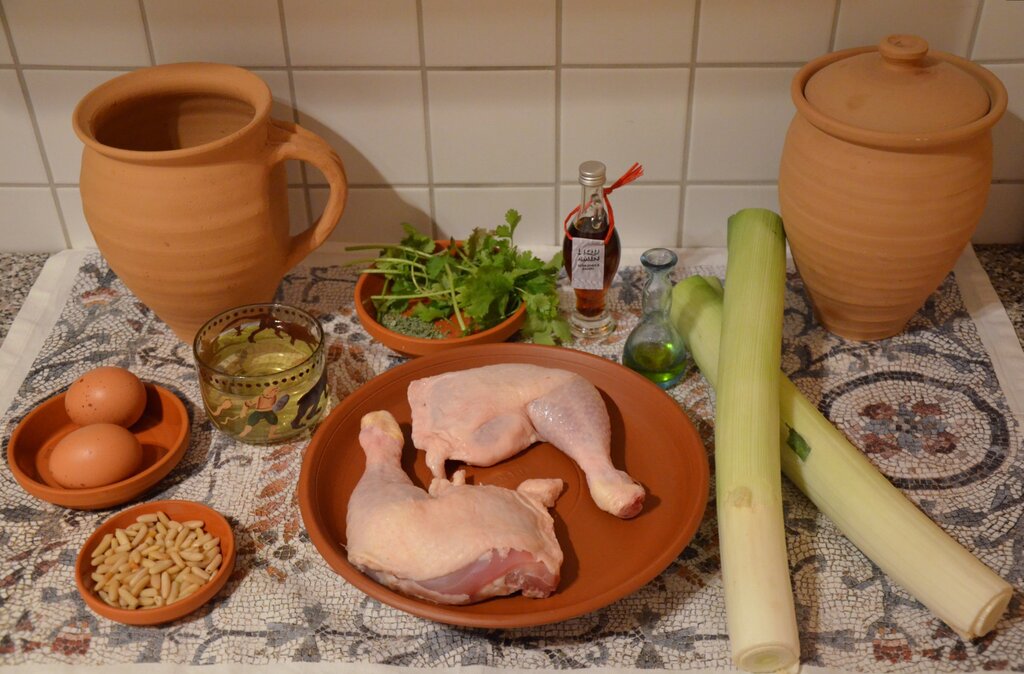
First, look at the color. The skin should be creamy white to pale yellow. Avoid any chicken that looks gray or has discolored spots. The flesh itself, visible under the skin, should be pinkish and firm. If you can, press it gently through the packaging. It should feel firm and spring back, not soft or mushy.
Next, check the packaging. There shouldn't be a lot of liquid pooling at the bottom of the tray. This can be a sign that the chicken is not very fresh. Finally, trust your nose. Fresh chicken should have little to no odor. If it smells sour or unpleasant in any way, don't buy it.
Look for plump, pink flesh with firm skin, and always check the expiration date on the package.
Safe Storage and Handling
Once you get your chicken home, proper handling is crucial to prevent foodborne illness. Raw chicken can carry bacteria like Salmonella, so you need to be careful to avoid cross-contamination.
The essentials: wash hands, separate raw meat, sanitize surfaces, cook to correct temps, and store food properly.
Here are the ground rules:
-
Storage: Store raw chicken on the bottom shelf of your refrigerator. This prevents any juices from dripping onto other food. Make sure it's in a leak-proof container or its original packaging on a plate. You can refrigerate chicken for 1-2 days or freeze it for up to nine months (for pieces) or a year (for a whole chicken).
-
Separation: Use a separate cutting board for raw chicken. If you don't have a dedicated board, wash it, your knife, and your hands thoroughly with hot, soapy water after they touch raw chicken. Never place cooked food on a plate that previously held raw chicken.
-
Thawing: The safest way to thaw frozen chicken is in the refrigerator. It takes time, but it keeps the chicken at a safe temperature. Never thaw chicken on the counter. In a pinch, you can thaw it in a bowl of cold water, changing the water every 30 minutes, or use the defrost setting on your microwave.
Ready to test your knowledge on chicken basics?
Which part of the chicken is considered dark meat and is known for being juicier due to higher fat content?
When selecting fresh chicken at a store, which of these is a sign that the chicken may NOT be fresh?
Mastering these fundamentals will give you a solid foundation for cooking countless delicious chicken dishes.