Mastering Chicken Cookery
Chicken Safety
Handling Raw Chicken
Working with raw chicken requires care. The moment you bring it home, your goal is to keep it cold and contained. Store it in its original packaging on the bottom shelf of your refrigerator. This simple step prevents any juices from dripping onto other foods and causing contamination.
Raw chicken doesn't last long. Plan to cook or freeze it within one to two days of purchase. If you freeze it, it can be kept for months, but always check for freezer burn before using.
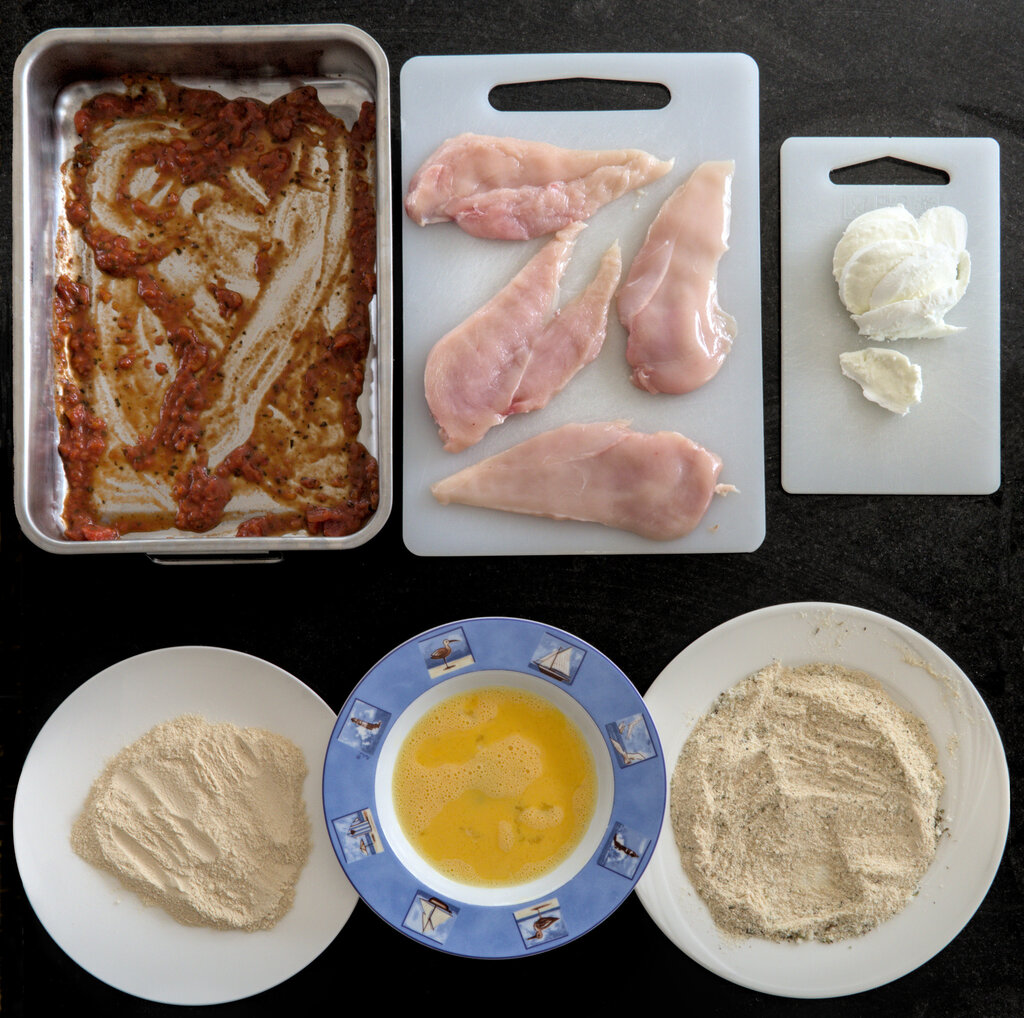
The biggest risk when handling raw chicken is cross-contamination. This happens when harmful bacteria, like Salmonella or Campylobacter, spread from the chicken to other foods, surfaces, or utensils. These bacteria are harmless to the chicken but can make you sick.
To avoid this, use a dedicated cutting board just for raw meat. Plastic or glass boards are better than wood because they're non-porous and easier to sanitize. After you're done, wash your hands, the cutting board, your knife, and any surfaces the chicken touched with hot, soapy water. Then, sanitize the surfaces and non-porous board with a food-safe disinfectant.
Always wash your hands for at least 20 seconds with soap and warm water after touching raw chicken.
Safe Thawing Methods
If your chicken is frozen, you need to thaw it safely. Never leave it on the kitchen counter. Room temperature is a breeding ground for bacteria.
While it is convenient to thaw frozen meat at room temperature, doing so “allows the outer layers to enter the ‘danger zone’ between 40F (4C) and 140F (60C), where bacteria can multiply rapidly, long before the center is thawed,” says Yu.
Here are the three safe ways to thaw chicken:
-
In the refrigerator: This is the safest and most recommended method. It's slow, but it keeps the chicken at a consistent, safe temperature. A whole chicken might take a full day or more, while smaller cuts could thaw overnight.
-
In cold water: Place the chicken in a leak-proof plastic bag and submerge it in a bowl of cold tap water. You must change the water every 30 minutes to ensure it stays cold. A one-pound package will thaw in about an hour.
-
In the microwave: If you're short on time, the microwave is an option. Use the defrost setting and be prepared to cook the chicken immediately after it thaws. Some areas may start to cook during microwaving, and you don't want the meat sitting in the bacterial danger zone.
The Only Way to Know It’s Done
You can’t tell if chicken is cooked just by looking at it. The color of the meat or the clarity of its juices are unreliable indicators. The only way to guarantee safety is to use a meat thermometer.
Cooking food to the proper temperature is essential to kill harmful bacteria and prevent foodborne illness (see Table 2.1).
Chicken must reach a minimum internal temperature of 165°F (74°C) to be safe to eat. This temperature kills any harmful bacteria that might be present.
To check the temperature, insert the thermometer into the thickest part of the meat, making sure not to touch any bone, as bone conducts heat differently and can give you an inaccurate reading. For a whole chicken, check the temperature in the thickest part of the thigh, the wing, and the breast.
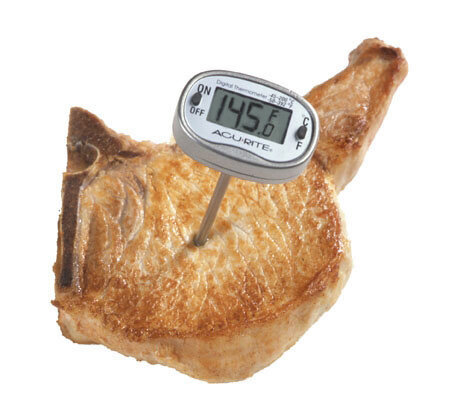
Eating undercooked chicken can lead to food poisoning, with symptoms like nausea, vomiting, and diarrhea. Using a thermometer is a small, simple step that protects you and anyone you're cooking for.
What is the best location to store a package of raw chicken in the refrigerator?
According to food safety guidelines, how long can fresh, raw chicken be stored in the refrigerator before it should be cooked or frozen?
Following these food safety rules ensures that your chicken dishes are not only delicious but also safe to enjoy.