Mastering Chess Tactics and Strategy
Opening Principles
The Battle for the Center
In chess, the game isn't won on the edges. It's won in the middle. The four squares in the center of the board, e4, d4, e5, and d5, are the most important territory to control, especially in the opening. Think of it as claiming the high ground in a battle.
Pieces placed in the center control more squares and have greater mobility. A knight on d4, for example, can jump to eight different squares. A knight in the corner can only reach two. By placing your pawns and pieces in or near the center, you exert influence across the board, open lines for your bishops and queen, and restrict your opponent's options.
The most common first moves, 1. e4 and 1. d4, are popular for a reason: they immediately stake a claim in the center.
Develop with Purpose
Moving your pieces from their starting squares is called development. But not all moves are created equal. Good development improves your position with each turn, preparing your pieces to attack, defend, and control key areas. Each move you make is a turn, and you only get one at a time. Wasting a move is like giving your opponent a free turn. This is the concept of in chess.
To develop efficiently, follow a few key guidelines:
-
Develop knights before bishops. Knights are generally less flexible on the back rank. Getting them into the game early opens up your options. Bishops, on the other hand, can often control long diagonals even from their starting squares.
-
Don't move the same piece twice. Unless there's a very good reason (like capturing a piece or avoiding a major threat), moving a piece you've already developed wastes tempo. Focus on getting all your minor pieces (knights and bishops) into the game.
-
Don't bring your queen out too early. The queen is your most powerful piece, which makes her a prime target. Bringing her into the action prematurely allows your opponent to develop their own pieces by attacking her, forcing you to waste moves running her to safety.
King Safety First
You can have a great position, but if your king is in danger, nothing else matters. The single most important goal of the opening is to secure your king. The best way to do this is by castling early. Castling tucks your king away behind a wall of pawns and brings a rook into the game, a two-for-one deal for king safety and piece development.
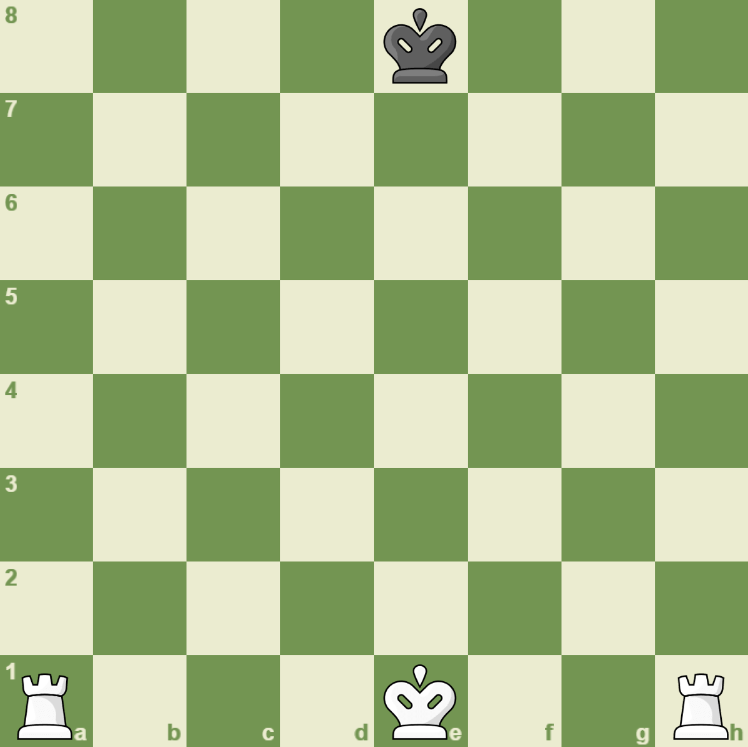
Once you castle, those pawns in front of your king become a shield. Be careful about moving them, as each pawn move can create a weakness that your opponent can exploit. A key benefit of castling is that it helps you achieve another important goal: on the back rank. This allows them to work together to control files and support each other.
Putting It All Together
Let's see how these principles apply in the first few moves of a common opening. This sequence is known as the Italian Game.
| Move | White | Black | Purpose |
|---|---|---|---|
| 1. | e4 | e5 | Both sides claim a stake in the center and open lines for their queen and a bishop. |
| 2. | Nf3 | Nc6 | White develops a knight and attacks Black's e5 pawn. Black develops a knight to defend it. |
| 3. | Bc4 | - | White develops another piece, putting pressure on Black's weak f7 square and preparing to castle. |
In just three moves, White has controlled the center, developed two pieces to active squares, and is ready to castle. This is a perfect example of applying opening principles to build a solid position.
Ready to test your knowledge?
According to fundamental chess principles, why is controlling the four central squares (e4, d4, e5, d5) so crucial in the opening?
What is the concept of "tempo" in chess?
By focusing on these core ideas—center control, rapid development, and king safety—you'll build strong, reliable positions right from the start.