Mastering Chess Strategy and Tactics
Tactical Strike Patterns
The Double Attack
Beyond moving pieces one at a time, the real power in chess comes from making a single move that creates multiple threats. The most common version of this is the double attack, or fork. It's like a boxer throwing a jab and a cross at the same time. The opponent can only block one.
The knight is the master of the fork. Its L-shaped move allows it to attack pieces that can't attack it back, often creating havoc in the opponent's position. A well-placed knight can attack two major pieces, like a king and a queen, forcing a massive material gain.
Look at the position above. The white knight on e6 attacks the black king and queen simultaneously. Since the king must move out of check, Black has no choice but to give up the queen. This simple pattern wins games outright.
Pins and Needles
A pin is a tactic where an attacking piece prevents an opponent's piece from moving. If the defending piece moves, a more valuable piece behind it will be exposed to capture. Think of it like a piece being held in place by a nail. , rooks, and queens are the only pieces that can execute a pin because they attack along straight lines.
There are two types of pins: absolute and relative.
An absolute pin is one where the piece behind the pinned piece is the king. The pinned piece is legally not allowed to move, as doing so would put its own king in check.
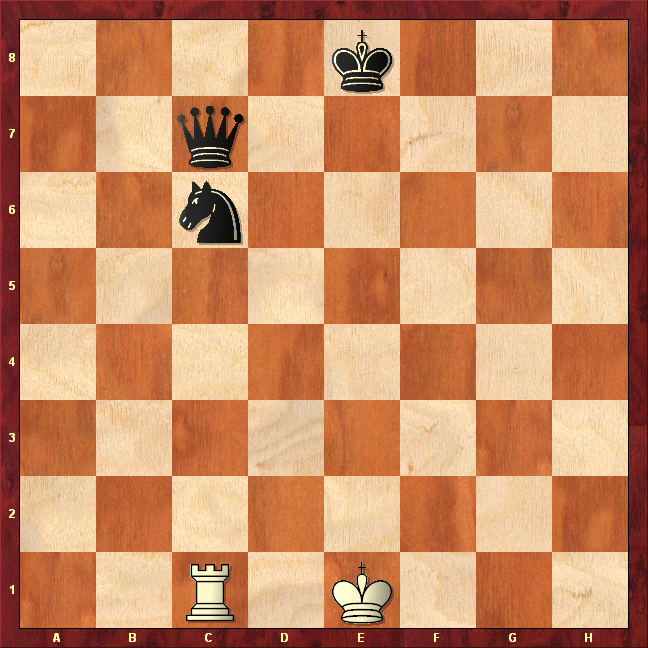
A relative pin is when the piece behind the pinned one is valuable, but not the king. It could be a queen or a rook. While it's legal for the pinned piece to move, it's usually a bad idea because you'd lose the more important piece behind it.
Skewers and Discovered Attacks
The skewer, sometimes called an X-ray attack, is the reverse of a pin. Instead of attacking a less valuable piece in front of a more valuable one, you attack the more valuable piece first. When it moves out of the way to save itself, the less valuable piece behind it is captured.
A discovered attack is even more subtle. You move a piece that was blocking the line of sight of another piece, like a rook or bishop. Suddenly, the piece behind it springs to life, attacking an enemy piece. It feels like an ambush. The best discovered attacks are , where the piece that moves also gives check. The opponent is attacked by two pieces at once and must move their king, often leaving another piece vulnerable.
All these patterns rely on seeing the geometry of the board. Look for pieces that are lined up on the same rank, file, or diagonal. These are the seeds of tactical combinations.
Regularly solve tactical puzzles to sharpen your ability to spot tactics like forks, pins, skewers, and simple combinations that can win material or deliver checkmate.
Finally, a key idea that unlocks many tactics is removing the defender. If an opponent's piece is defended, you can't just take it. But what if you could capture, threaten, or chase away the piece that's guarding it? Once the defender is gone, the piece it was protecting becomes a ripe target.
Ready to test your pattern recognition?
What is the most common term for a single move that creates two or more simultaneous threats?
Which piece is considered the master of the fork due to its unique L-shaped move?
Mastering these patterns will transform your game. You'll start to see not just the current position, but the hidden potential waiting to be unleashed with a single, devastating move.