Mastering Chess Openings
Introduction to Chess Openings
Setting the Stage
The first phase of a chess game is called the opening. These initial 10 to 15 moves don't decide the winner, but they lay the groundwork for the entire game. A good opening sets you up for success, while a poor one can leave you scrambling to defend. Instead of memorizing specific moves, the best way to start is by understanding three core principles.
The goal is to develop your pieces, control the center of the board, and ensure your king’s safety.
Control the Center
The most important area of the board in the opening is the center, specifically the four squares: e4, d4, e5, and d5. Pieces placed in the center have the most mobility and influence. They can attack and defend both sides of the board with ease.
A knight on the edge of the board, for example, can only move to a few squares. But a knight in the center is a powerhouse, controlling eight key squares and creating many more possibilities.
Your first few moves should aim to influence these central squares. The most common way to do this is by moving one of your center pawns (the e-pawn or d-pawn) two spaces forward. This immediately stakes a claim in the center and opens lines for your bishops and queen to enter the game.
Develop Your Pieces
Controlling the center isn't just about pawns. You need to bring out your army. In chess, this is called "development." It means moving your pieces from their starting squares to more active ones where they can participate in the battle.
The general rule is to develop your minor pieces—knights and bishops—first. Knights are great to develop early because they can jump over other pieces. A good starting plan is to move your knights toward the center, followed by your bishops. Each move should improve your position and prepare for future plans.
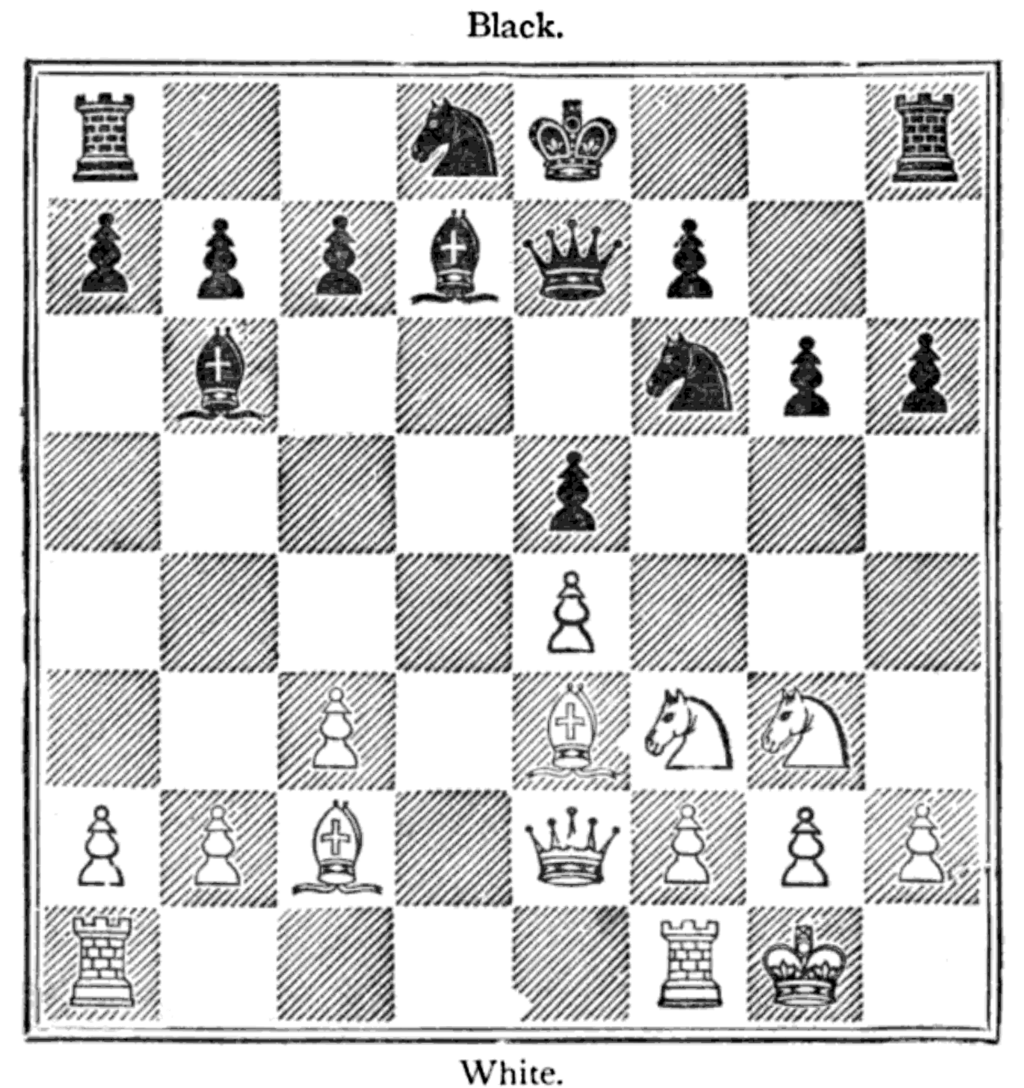
A common mistake for beginners is to bring the queen out too early. The queen is your most powerful piece, which makes her a big target. If you move her into the action prematurely, your opponent can develop their own pieces by attacking her, forcing you to waste time moving her to safety.
Develop knights and bishops first. Save your queen for the middlegame.
Keep Your King Safe
The ultimate goal of chess is to checkmate the enemy king. That means you must also protect your own. Your king starts in the center of the board, which is often where the action happens. Leaving him there can be risky.
The best way to secure your king early in the game is by castling. This special move accomplishes two things at once: it tucks your king away into a corner fortress behind a wall of pawns, and it brings a rook into the game. It's usually a good idea to castle within the first 10 moves.
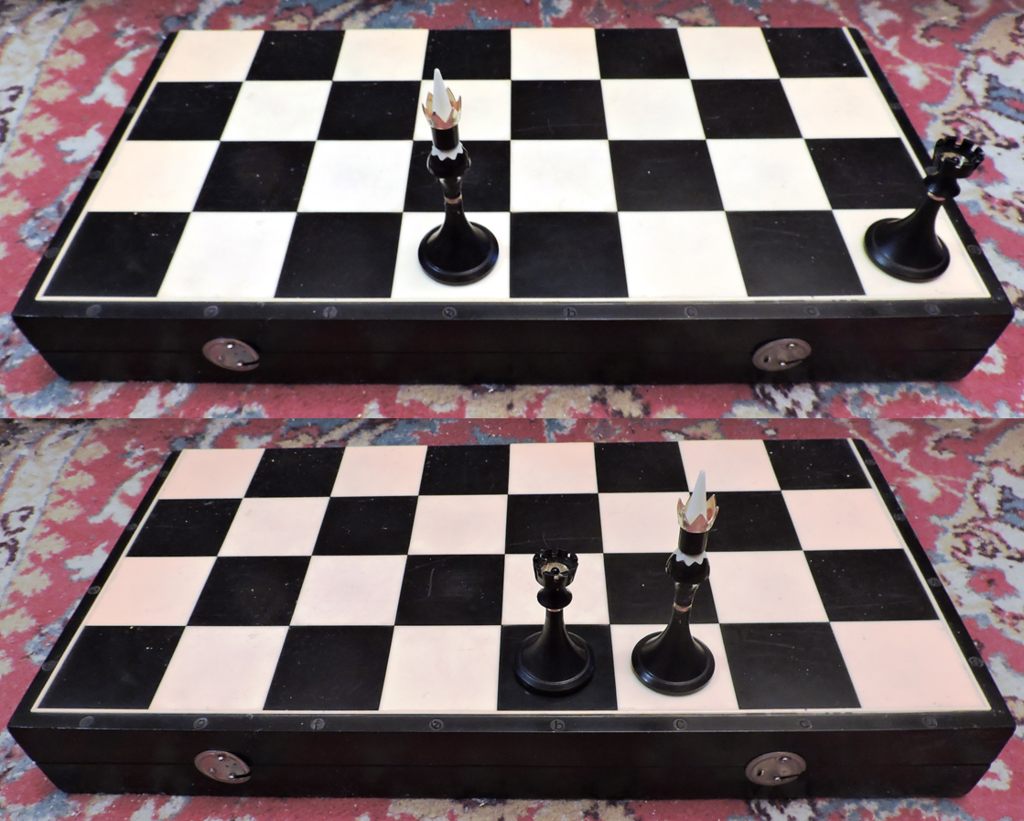
After castling, your two rooks are on the back rank without any pieces between them. This is known as "connecting the rooks." Connected rooks can defend each other and work together to control files, making them much more powerful.
Now that you've learned the basic principles, it's time to test your understanding.
What is the primary reason for controlling the center of the board (the squares e4, d4, e5, and d5) in the chess opening?
According to standard opening principles, which pieces should generally be developed first?
By focusing on these three goals—controlling the center, developing your pieces, and keeping your king safe—you'll build a solid foundation for every game you play.