Mastering Chess Openings
Introduction to Chess Openings
The First Moves
The first phase of a chess game is called the opening. It's typically the first 10 to 15 moves, where both players set the stage for the battle to come. Think of it like the opening scene of a play: it introduces the main characters (your pieces) and establishes the central conflict.
A good opening doesn't guarantee a win, but a bad one can lead to a quick loss. The goal isn't to checkmate the opponent in five moves. Instead, you're aiming to build a solid, active, and safe position from which you can launch attacks later in the game.
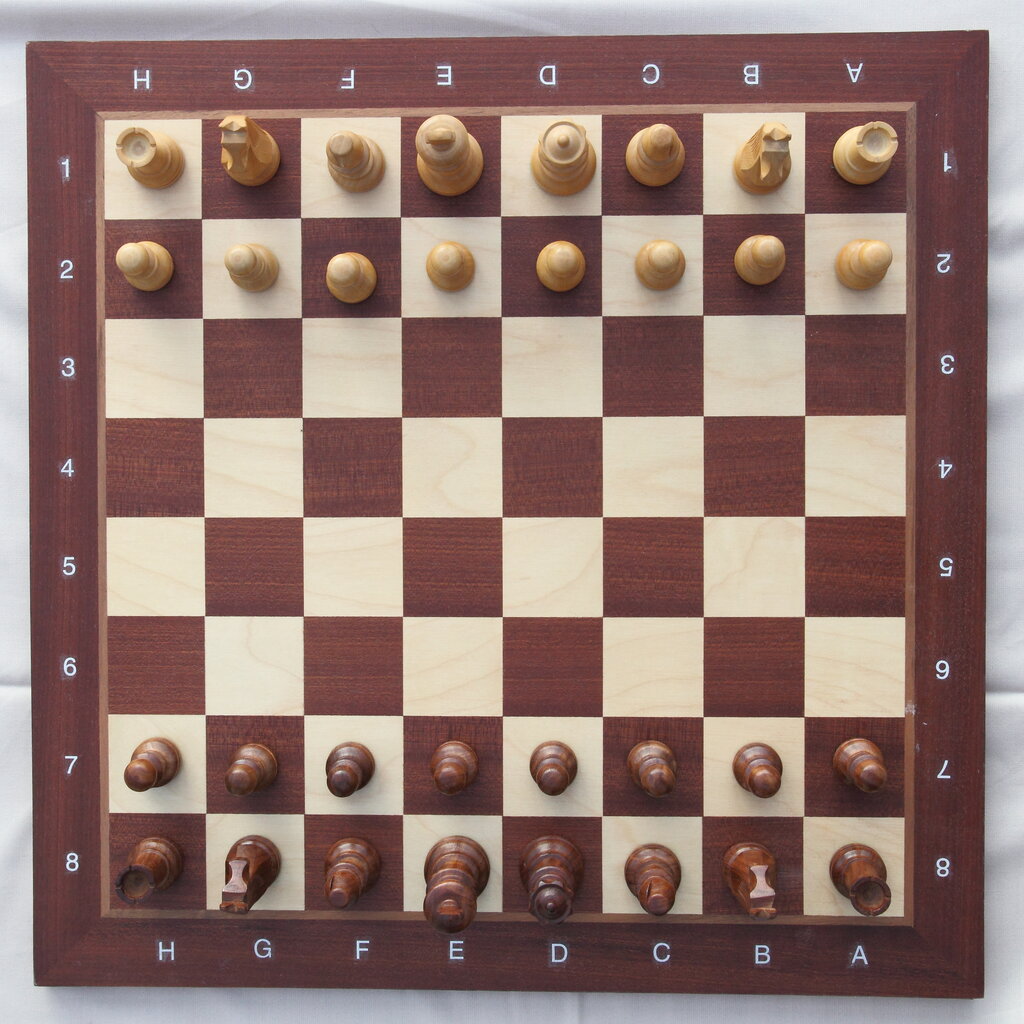
There are three main goals to accomplish during the opening. If you can achieve them, you'll be in great shape for the middlegame.
The Three Pillars
Nearly every strong chess opening is built on the same foundational ideas: controlling the center, developing your pieces, and keeping your king safe.
1. Control the Center The most important squares on the board are the four in the middle: d4, e4, d5, and e5. Pieces placed in the center can move to more squares and exert influence over the entire board. A knight in the middle of the board, for instance, can jump to eight different squares. A knight in the corner can only reach two.
Controlling the center is often done with pawns, particularly by moving your king's pawn or queen's pawn two squares forward on the first move.
2. Develop Your Pieces At the start of the game, most of your powerful pieces are sitting on the back rank, doing nothing. Development is the process of moving your knights and bishops off the back rank and into the action. These are your "minor pieces," and they should be the first ones you bring into the game.
A good rule of thumb is to move each of your knights and bishops only once during the opening, getting them to useful squares where they help control the center. Avoid moving the same piece multiple times unless you have a very good reason. Also, try not to bring your queen out too early. She's your most powerful piece and can become an easy target for your opponent's developing pieces.
A common piece of advice for beginners is: "Knights before bishops."
3. King Safety Your king is your most important piece. If it gets checkmated, you lose the game, no matter how great the rest of your position is. In the opening, your king starts in the center of the board, which can become dangerous as more pieces enter the game.
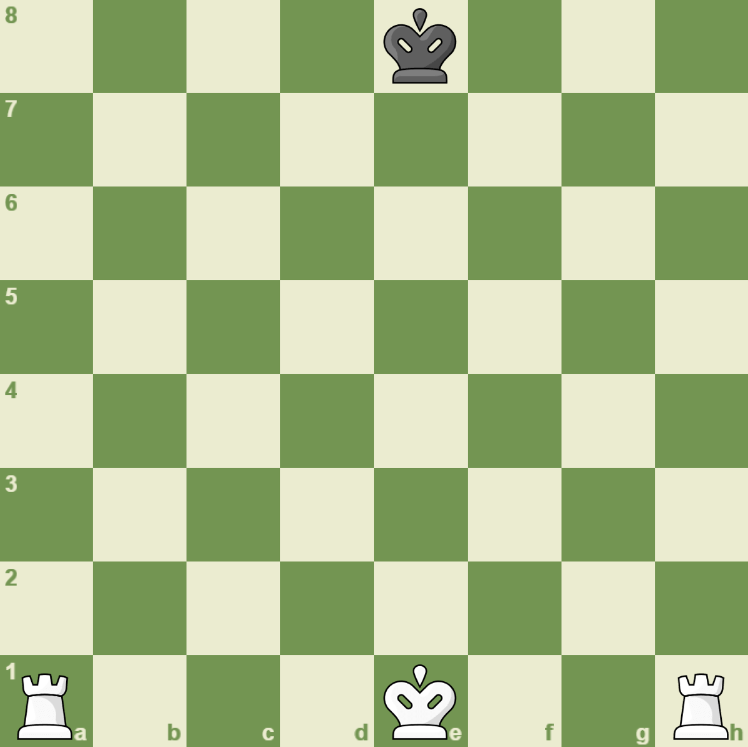
The best way to protect your king is by castling. This special move tucks your king away to the side of the board behind a wall of pawns, while also bringing a rook into the game. It's generally a good idea to castle early, within the first 10 moves.
Principles Over Memorization
There are thousands of named chess openings, from the Ruy Lopez to the Sicilian Defense. It can be tempting to try and memorize long strings of moves for your favorite one. But for new players, this is often a mistake.
While having a good opening repertoire is important, focusing on principles instead of just memorization can make you a much stronger player in the long run.
Instead of memorizing, focus on understanding the principles. If you always aim to control the center, develop your pieces, and keep your king safe, you will naturally play good opening moves. This flexible approach allows you to react to whatever your opponent does and build a strong position in any situation. The specific moves will come with experience, but the principles are what truly matter.
What is the primary objective during the opening phase of a chess game?
Which of the following is NOT considered a core principle of a good opening?
By following these core ideas, you'll consistently reach a solid middlegame position, ready to outplay your opponent.