Mastering ChatGPT Prompt Libraries
Introduction to ChatGPT
What is ChatGPT?
ChatGPT is a powerful AI chatbot created by a company called OpenAI. At its core, it's a large language model (LLM) designed to understand and generate human-like text. The name GPT stands for Generative Pre-trained Transformer, which hints at how it works.
Think of it like an incredibly advanced autocomplete. It predicts the next most likely word in a sentence, but on a massive scale. It's "pre-trained" on a vast amount of text from the internet, books, and other sources, allowing it to learn grammar, facts, reasoning abilities, and different styles of writing.
When you type a message, or "prompt," into ChatGPT, it uses this training to generate a relevant and coherent response. It’s not just pulling answers from a database; it’s constructing new sentences word by word, making it a flexible and creative tool for conversation and content creation.
Capabilities and Limitations
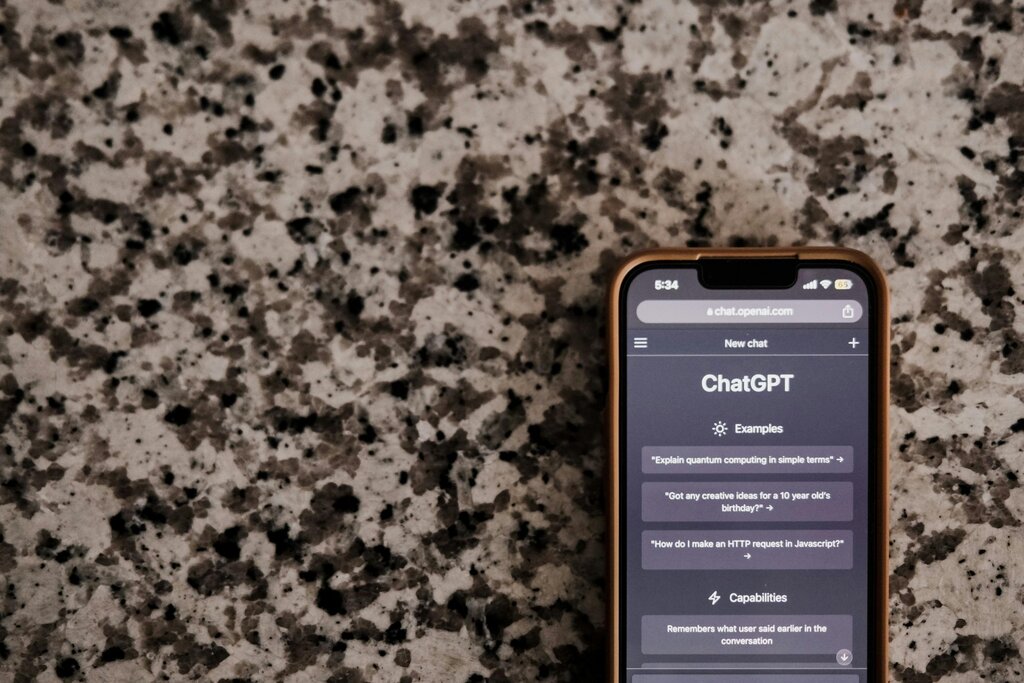
ChatGPT is incredibly versatile. It can draft emails, write code, compose poems, summarize long documents, translate languages, and answer complex questions on a huge range of topics. Because it remembers the context of your conversation, you can ask follow-up questions and have a natural, flowing dialogue.
| Strengths | Weaknesses |
|---|---|
| Generating creative text | Can produce incorrect information |
| Summarizing complex topics | Limited knowledge of post-2021 events |
| Answering factual questions | May inherit biases from training data |
| Assisting with coding | Lacks true understanding or consciousness |
But it has significant limitations. The model can sometimes generate plausible-sounding but incorrect or nonsensical information, an issue often called "hallucination." It doesn't have real-world experiences or consciousness; it's a pattern-matching machine. Its knowledge is also limited to the data it was trained on, so it may not know about very recent events.
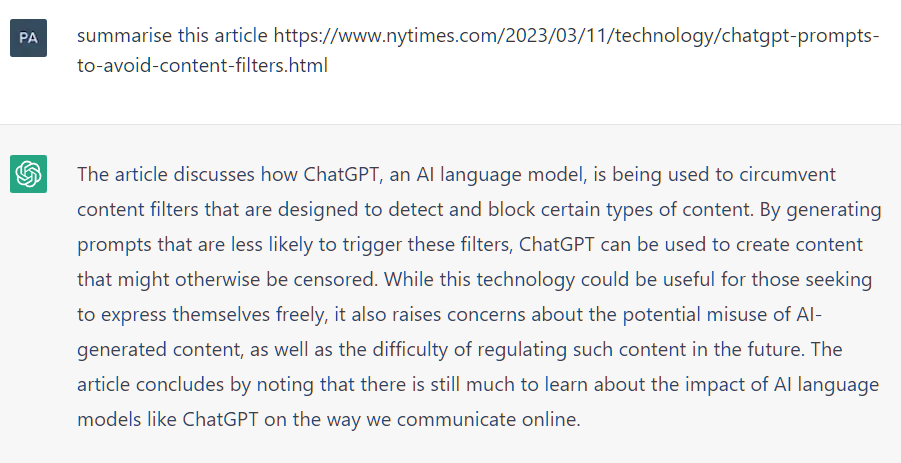
Always remember to critically evaluate its responses, especially when dealing with important facts or data.
The Art of the Prompt
Getting the best results from ChatGPT depends almost entirely on how you ask. The instructions you give the AI are called prompts, and the skill of crafting effective ones is known as prompt engineering.
The art of prompt engineering is central to building effective AI agents with ChatGPT.
Think of it like giving directions. If you give vague directions, you might not end up where you want to go. But if you provide clear, specific, and context-rich instructions, you're much more likely to get a useful and accurate result. The quality of the output is directly tied to the quality of the input. A well-crafted prompt can be the difference between a generic, unhelpful answer and a detailed, insightful response tailored to your needs.
Now, let's test your understanding of these core concepts.
What does the acronym "GPT" stand for in ChatGPT?
True or False: ChatGPT pulls its answers directly from a static database of pre-written sentences.
Understanding these basics is the first step. ChatGPT is a tool, and like any tool, its power lies in knowing how—and when—to use it effectively.