Mastering ChatGPT Interactions
Introduction to ChatGPT
What is ChatGPT?
ChatGPT is a conversational AI created by OpenAI. Think of it as a chatbot, but far more advanced. You can ask it questions, give it commands, or just have a conversation with it. Its main job is to understand what you're saying and generate text that sounds like it was written by a human.
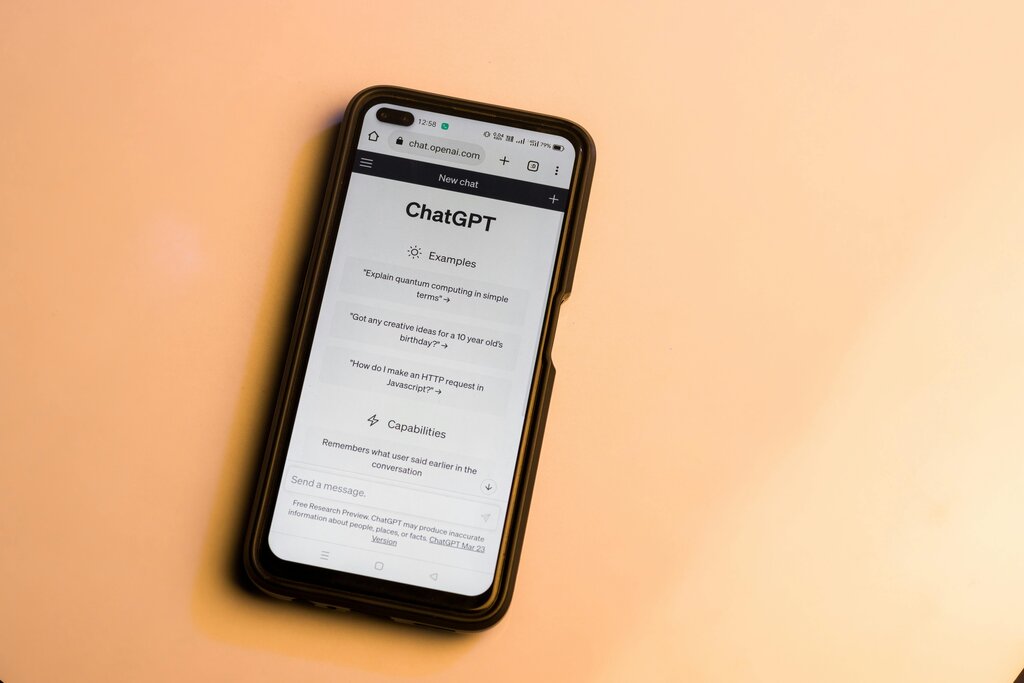
It runs on a powerful technology called a Large Language Model (LLM). This model has been trained on a massive amount of text from the internet, books, and other sources. This training allows it to recognize patterns, context, and nuances in language, which is why its responses can feel so natural.
At its core, ChatGPT is a tool for generating text. It's a partner for brainstorming, a co-writer for drafting documents, and a tutor for explaining complex ideas.
A Quick Evolution
The "GPT" in ChatGPT stands for Generative Pre-trained Transformer. This technology has evolved rapidly over several versions, with each one becoming significantly more capable.
- GPT-1 (2018): The first version showed that this approach had promise. It could generate coherent text but was limited in its abilities.
- GPT-2 (2019): This was a major leap forward. GPT-2 could write convincing paragraphs and was so powerful that its full version was initially withheld over concerns about potential misuse.
- GPT-3 (2020): With 175 billion parameters (the internal variables the model uses), GPT-3 was a game-changer. It could perform a wide range of tasks with minimal instruction, from writing articles to generating code.
- GPT-4 (2023): The latest major version is even more powerful and reliable. It's better at complex reasoning and can even understand and process images, not just text.
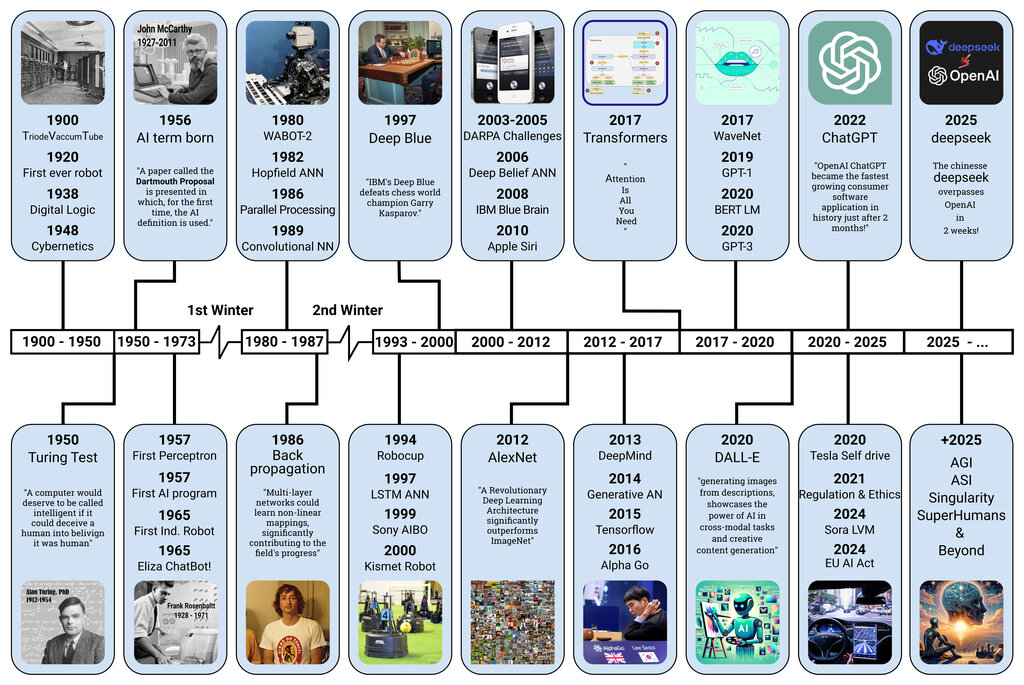
Each new version has expanded what's possible, making the AI more accurate, creative, and helpful. ChatGPT was first released on a version of GPT-3.5 and has since been updated to use the more powerful GPT-4 model.
Why It's a Big Deal
Before ChatGPT, powerful AI was mostly confined to research labs and specialized applications. ChatGPT changed that by putting a highly capable language model into the hands of the general public through a simple chat interface. This has had a huge impact on our relationship with technology.
Its main significance is in the field of Natural Language Processing (NLP), which is all about teaching computers to understand and use human language. ChatGPT represents a major breakthrough, making human-computer interaction more intuitive and conversational than ever before.
The advent of ChatGPT and similar large language models (LLMs) has revolutionized the human-AI interaction and information-seeking process.
Suddenly, anyone could use AI to help with everyday tasks. This accessibility has sparked a wave of innovation and discussion about the future role of AI in our lives.
Common Applications
So, what can you actually do with ChatGPT? Its versatility is one of its greatest strengths. People use it for a huge variety of tasks across different fields.
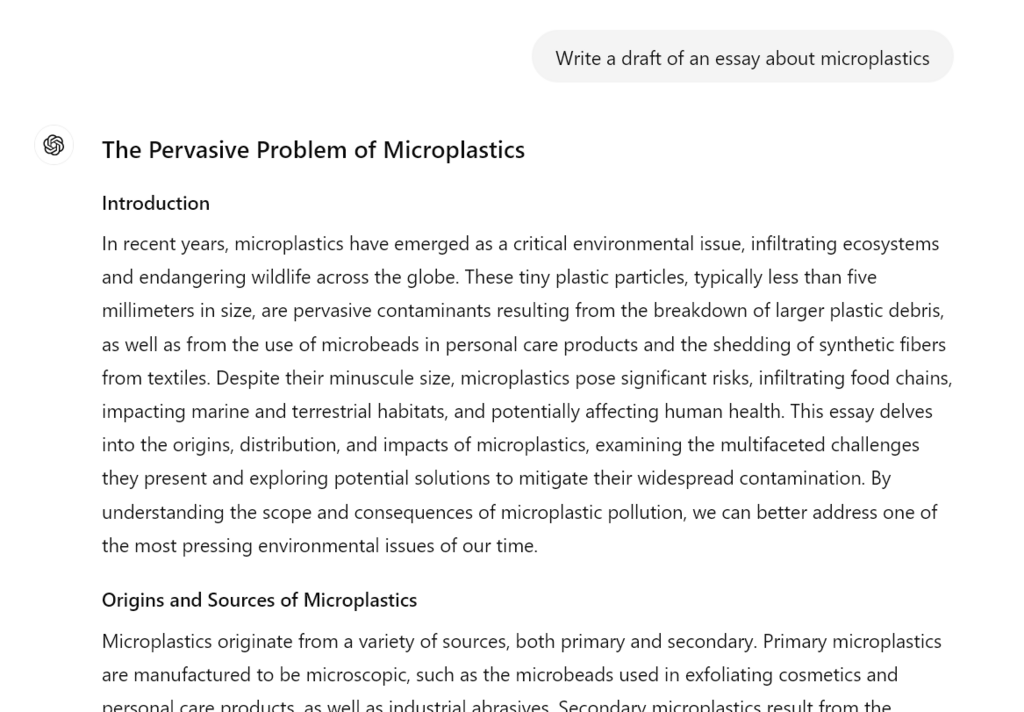
Here are just a few common applications:
- Content Creation: Drafting emails, writing blog posts, creating social media updates, or even writing poetry and song lyrics.
- Learning and Summarization: Asking for explanations of complex topics, summarizing long articles or research papers, and getting help with homework.
- Brainstorming: Generating ideas for a new business, planning a vacation itinerary, or coming up with names for a product.
- Coding Assistance: Writing code snippets, debugging existing code, and explaining how a particular algorithm works.
- Translation: Translating text from one language to another with impressive accuracy.
It's a powerful assistant that can help you be more creative and productive. The key is learning how to ask the right questions to get the best results.
Ready to check your understanding? Let's see what you've learned about ChatGPT.
What does the 'GPT' in ChatGPT stand for?
Which version of the GPT model was described as a 'game-changer' with 175 billion parameters, capable of performing a wide range of tasks with minimal instruction?
Now you know what ChatGPT is, where it came from, and what makes it such a significant tool in the world of AI.