Mastering ChatGPT Agent Creation
Introduction to ChatGPT Agents
Beyond the Chatbox
You've likely used ChatGPT to answer questions, write emails, or brainstorm ideas. In these conversations, ChatGPT acts as a knowledgeable partner. But what if it could do more than just talk? What if it could act on your behalf?
This is where ChatGPT agents come in. They represent the evolution of conversational AI from a simple text generator into an autonomous system that can perform tasks in the digital world.
agent
noun
In the context of AI, an agent is a system that can perceive its environment and take autonomous actions to achieve specific goals.
From Conversation to Action
Early versions of large language models were amazing conversationalists. They could process a prompt and generate a relevant, human-like text response. But the interaction stopped there. The user had to take the AI's output and manually perform any necessary next steps.
An agent, however, can close that loop. It can be given a goal, and it will then devise and execute a plan to achieve it. This might involve browsing websites, filling out forms, or even writing and running code. It's like giving your AI a keyboard and mouse and letting it work for you.
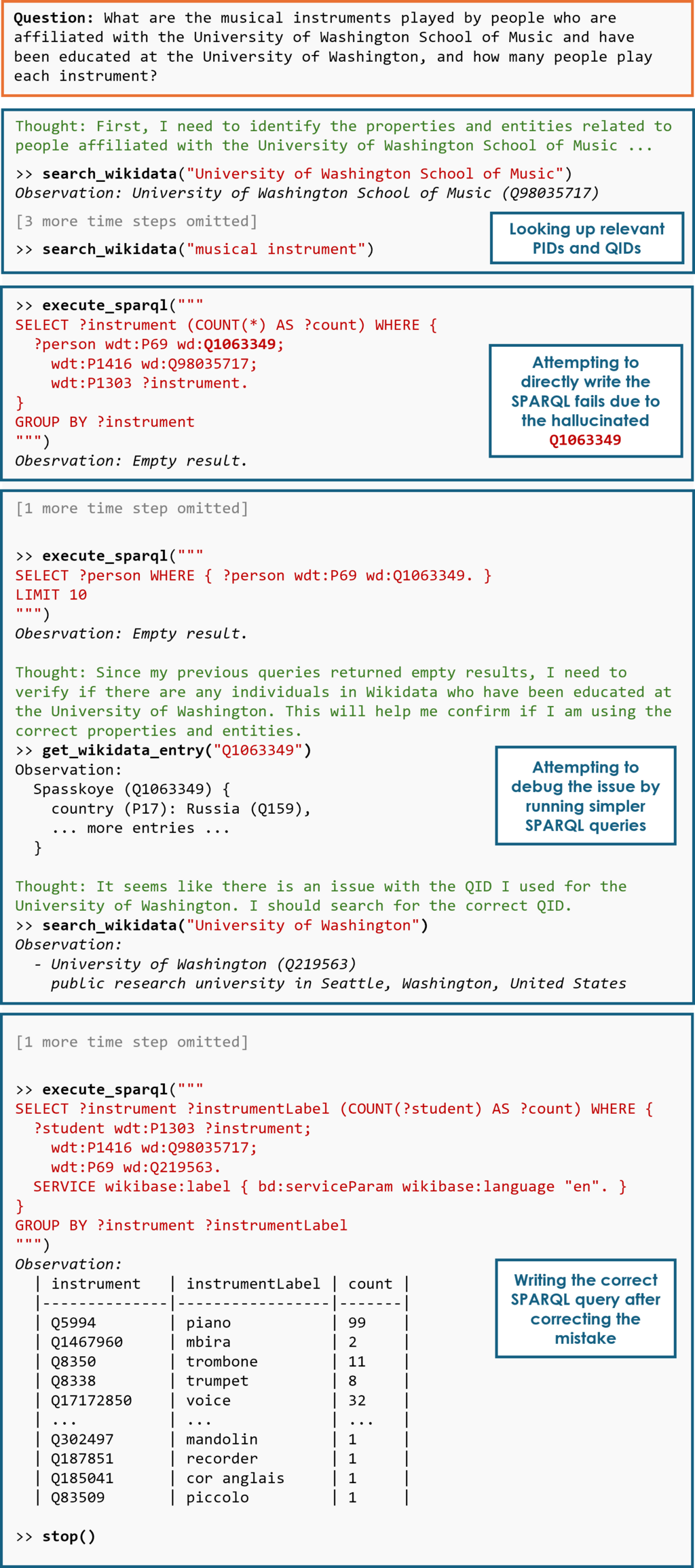
This implementation demonstrates how AI agents advance beyond basic chatbots to carry out complex tasks based on natural language that traditionally require coded logic.
Think of it like hiring a personal assistant. You wouldn't just ask your assistant for a list of good local restaurants. You'd ask them to book a reservation. An agent works similarly. Instead of just telling you how to do something, it can often just do it.
This cycle of planning, acting, and observing allows the agent to tackle multi-step problems. If its first action doesn't work, it analyzes the result and tries a different approach, much like a person would.
Agents in the Wild
The potential applications for ChatGPT agents are vast. They can streamline personal tasks and automate complex business workflows. By handling repetitive, digital chores, they free up people to focus on more creative and strategic work.
| Category | Example Agent Application |
|---|---|
| Customer Support | Answering user questions by searching a knowledge base and escalating to a human if necessary. |
| Content Creation | Researching a topic across multiple websites and compiling the findings into a draft report. |
| Personal Productivity | Checking your calendar for availability and then navigating to a website to book a doctor's appointment. |
| Software Development | Reading an error log, identifying the likely bug in a codebase, and suggesting a fix. |
These examples are just the beginning. As the technology matures, agents will become capable of handling increasingly complex and nuanced tasks, acting as powerful partners in nearly every digital domain.
Now that you have a sense of what agents are and what they can do, let's test your understanding.
What is the primary distinction between a standard large language model and a ChatGPT agent?
According to the text, which analogy best describes the shift from a simple conversational AI to an agent?
This shift from conversational partner to autonomous actor is a major step in artificial intelligence, changing how we interact with technology.