Mastering ChatGPT
Introduction to ChatGPT
Meet ChatGPT
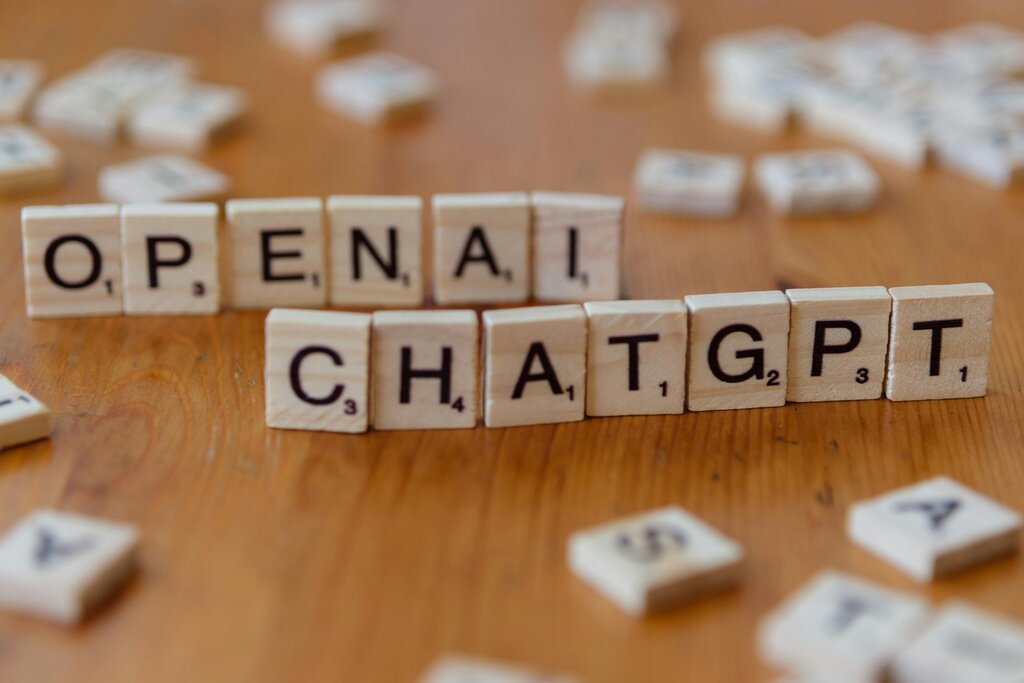
ChatGPT is an AI chatbot created by a company called OpenAI. At its core, it's a powerful tool designed to understand and generate text that sounds remarkably human. You can ask it questions, have it write an email, or even help you brainstorm ideas for a story.
ChatGPT is an artificial intelligence (AI) chatbot built on top of OpenAI's foundational large language models (LLMs) like GPT-4 and its predecessors.
It’s built on a technology called a Large Language Model, or LLM. Think of an LLM as a massive brain that has been trained on a huge amount of text and data from the internet. This training allows it to recognize patterns, context, and the nuances of human language. ChatGPT is a specific application of OpenAI's family of LLMs, known as Generative Pre-trained Transformers, or GPT.
A Brief Evolution
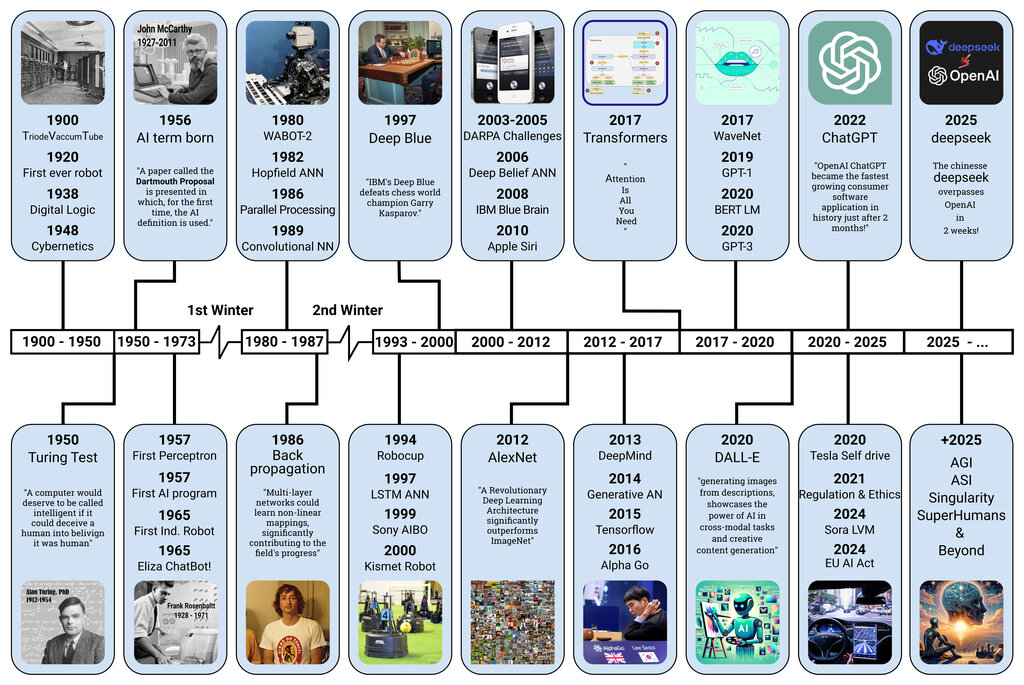
The technology behind ChatGPT didn't appear overnight. It's the result of years of research and several advancing versions of GPT models. Early versions showed promise, but models like GPT-3 were a major leap forward, demonstrating a stunning ability to generate coherent and context-aware text.
ChatGPT was first released to the public in late 2022, and it quickly captured global attention. Since then, OpenAI has continued to release more powerful and capable versions, such as GPT-4 and the more recent GPT-5.2 architecture. Each new version can handle more complex tasks, understand more subtle instructions, and provide more accurate information.
Core Capabilities
So, what can you actually do with ChatGPT? Its functionalities are broad, but they all revolve around processing and creating text. You can use it to:
- Answer questions: Ask it anything from historical facts to scientific concepts.
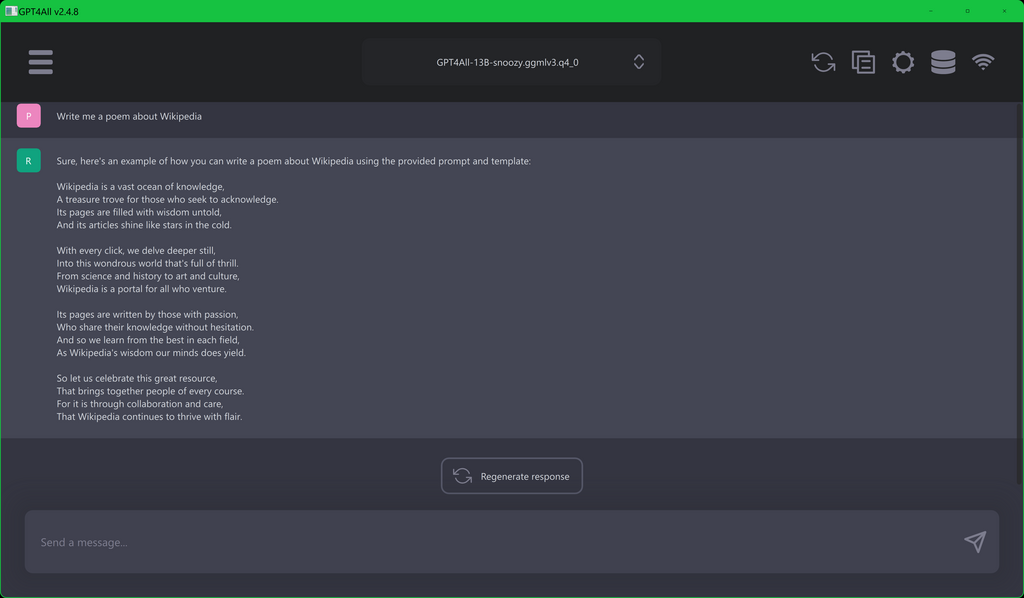
- Draft content: Have it write emails, essays, social media posts, or even poetry.
- Summarize information: Give it a long article or document and ask for the key points.
- Translate languages: It can translate text between dozens of languages.
- Write code: It can generate code snippets in various programming languages.
- Brainstorm ideas: Use it as a creative partner to explore new ideas for a project or hobby.
Its strength lies in its versatility. It's not just a search engine or a grammar checker; it's a multi-purpose tool for generating and refining text for almost any need.
How It Thinks
ChatGPT doesn't "think" or "understand" like a human. Instead, it's a master of pattern recognition. When you give it a prompt, it breaks your text down and analyzes it based on the vast patterns it learned during its training.
Its goal is to predict the next most likely word in a sequence. It does this over and over, generating one word at a time to build sentences and paragraphs that are statistically probable and contextually relevant. Imagine a super-powered autocomplete that can see not just the last few words, but the entire conversation.
The GPT-5.2 architecture represents a significant step in this process. While the deep technical details are complex, the key idea is that this newer structure allows the model to better grasp context, handle longer and more complicated conversations, and produce responses that are more accurate and nuanced than its predecessors.
This predictive ability is what allows ChatGPT to hold conversations that feel natural and generate text that is useful and coherent, forming the foundation for all its capabilities.