Mastering Change Management
Introduction to Change Management
What Is Change Management?
Businesses are always evolving. A company might adopt new software, merge with another organization, or shift its strategic goals. These changes, big or small, affect the most important part of any company: its people.
Change management is the process of guiding a team through an organizational transition. The goal isn't just to implement a new system or structure, but to ensure that the people involved understand, accept, and embrace the new way of working. It’s a structured approach to help individuals move from their current state to a desired future one.
Change management is a structured approach for guiding individuals through organizational change, preparing, equipping and supporting them so they can successfully adopt new ways of working.
The primary objective is to make the transition as smooth as possible. By managing change effectively, organizations can minimize resistance, reduce stress on employees, and ensure the intended benefits of the change are actually realized. It's about managing the human side of a business shift.
Why It's Worth the Effort
Ignoring the human element during a major shift is a recipe for failure. Effective change management provides a clear path forward, helping to align everyone toward a common goal. This organized approach has several key benefits.
First, it increases the likelihood of success. When employees are supported through a transition, they are more likely to adopt new processes quickly. This leads to a faster return on investment, whether the change involves a new technology or a different business strategy. It also boosts morale and engagement. Feeling heard and supported during a period of uncertainty helps maintain trust and reduces employee turnover.
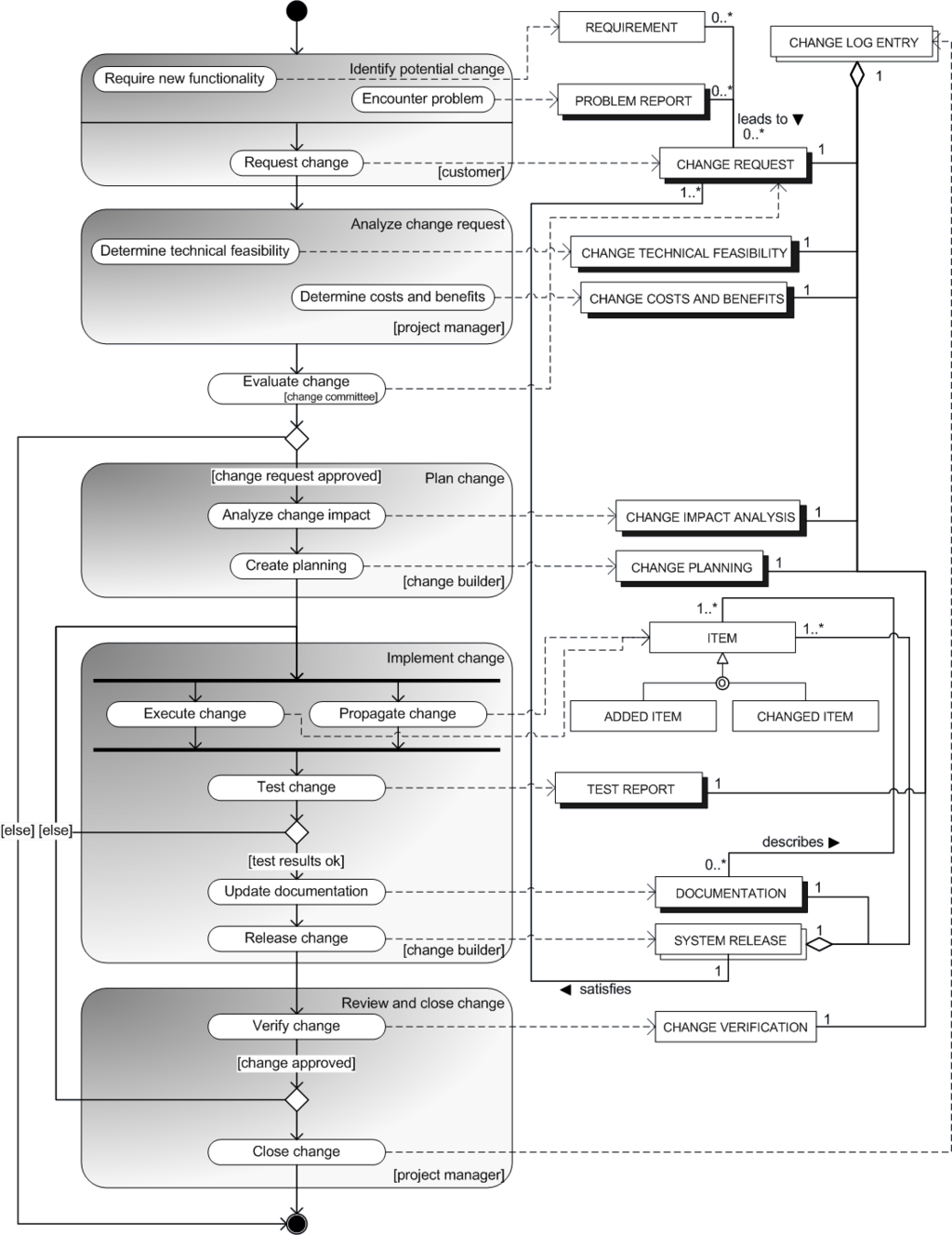
Ultimately, good change management turns potential disruption into an opportunity for growth and improvement.
Common Hurdles and Consequences
Even with a plan, change isn't always easy. Organizations often face common challenges. Resistance from employees is a major one. People are naturally comfortable with routines, and the fear of the unknown can lead to pushback. Another frequent issue is poor communication. If leadership doesn't clearly explain the reasons for the change, its benefits, and what to expect, rumors and anxiety can fill the void.
Without strong, visible support from leaders, any change initiative is likely to falter. Employees look to their managers for cues, and if leadership isn't fully committed, the rest of the organization won't be either.
| Challenge | Consequence of Neglecting It |
|---|---|
| Employee Resistance | Projects stall or fail completely. Productivity drops. |
| Poor Communication | Confusion, rumors, and mistrust spread. Morale suffers. |
| Lack of Leadership Support | Employees don't take the change seriously. Initiative loses momentum. |
| Inadequate Training | Frustration and errors increase. New systems are used incorrectly or abandoned. |
The consequences of neglecting change management can be severe. Projects may fail to meet their objectives, costing time and money. The organization might lose valuable employees who become frustrated with the chaotic process. Overall productivity can take a nosedive as people struggle to adapt. In the end, a poorly managed change can damage a company's culture and its ability to adapt in the future.
Now, let's test your understanding of these core concepts.
What is the primary focus of change management during an organizational transition?
A company is implementing a new software system. To increase the chances of success, leadership clearly explains the reasons for the change and provides extensive training. Which common challenge is this approach directly addressing?
Understanding these fundamentals sets the stage for exploring how to successfully plan and execute change within any organization.