Mastering Change
Understanding Change
The Only Constant
Change is one of life's certainties. It happens in our personal lives when we move to a new city, start a family, or end a relationship. It happens at work when our company restructures, we get a new manager, or technology automates parts of our job. Some changes we choose, like learning a new skill. Others happen to us, like an unexpected layoff.
Whether planned or unplanned, big or small, change pushes us out of our familiar routines. It replaces the predictable with the unknown. Understanding the nature of change is the first step toward navigating it successfully. We can categorize change into a few main types:
| Type of Change | Description | Example |
|---|---|---|
| Developmental | A gradual improvement or enhancement of existing skills or processes. | Learning a new software feature to do your job better. |
| Transitional | Replacing an old way of doing things with a new way. | A company switching from paper-based to digital records. |
| Transformational | A fundamental and radical shift that alters our core beliefs or behaviors. | Changing careers entirely to pursue a lifelong passion. |
The Emotional Rollercoaster
Why is change often so difficult? The answer lies in our psychology. Our brains are wired to prefer certainty and predictability. When faced with a new situation, our first reaction is often emotional, not logical. Feelings of fear, anxiety, anger, and confusion are common. Resistance isn't a sign of being difficult; it's a natural human response to leaving the comfort of the known for the uncertainty of the new.
These feelings are part of a predictable pattern. Psychologists have mapped out the emotional journey we often take when navigating a significant life change. It looks a lot like the stages of grief, because in a way, we are mourning the loss of the way things were.
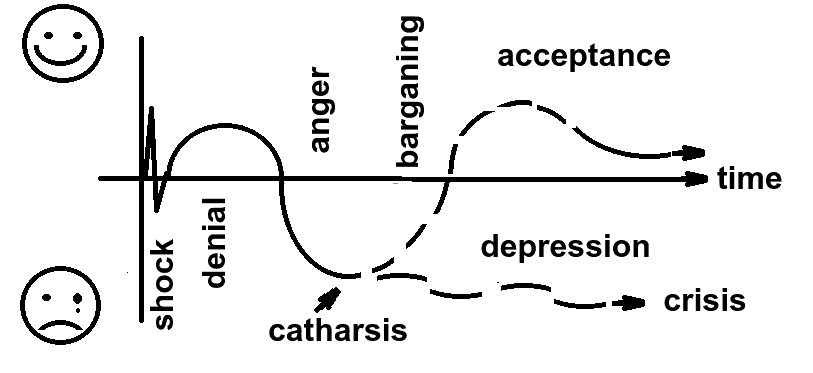
The process typically starts with shock and denial, a feeling that "this can't be happening." As the reality sets in, it's common to feel anger or frustration. We might look for someone or something to blame. This can be followed by bargaining, where we try to find a way to avoid the change.
A low point often comes next, a period of confusion or sadness as we grapple with the reality of the situation. But this is also a turning point. From here, we slowly move toward acceptance. We start to explore what the new reality looks like and begin to adapt. It's a journey from reacting to the past to engaging with the future.
Navigating these emotional stages is part of the process. Acknowledging your feelings without judgment is the first step toward moving through them.
An Opportunity in Disguise
While the initial phases of change can be unsettling, they also carry the seeds of opportunity. Every transition forces us to learn and adapt. It pushes us to develop new skills, discover hidden strengths, and reevaluate our priorities. The discomfort we feel is often a sign that we are stretching beyond our previous limits.
Think of it as an upward spiral. By facing a challenge, we build personal resources like resilience, problem-solving skills, and new relationships. These resources don't just help us get through the current change; they equip us to handle future challenges more effectively. This process of broadening our abilities and building our inner strength is how change leads directly to personal and professional growth.
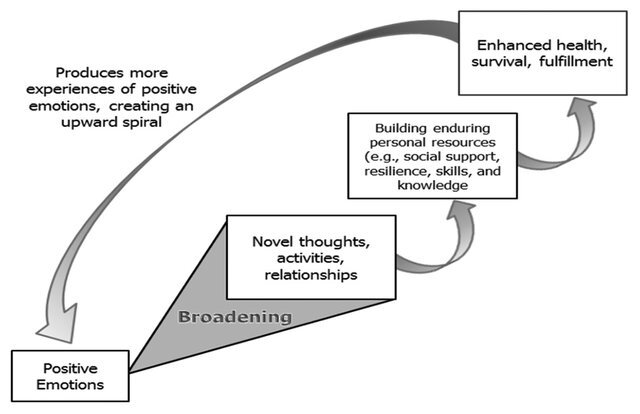
Successfully navigating a transition can boost our confidence and sense of well-being. By reframing change from a threat to an opportunity, we can transform a period of uncertainty into a powerful catalyst for development.
Time to check your understanding of these core ideas.
According to the text, why do people often find change so difficult?
Which of the following is described as the emotional stage that often follows initial shock and denial when facing a significant change?
Understanding these reactions in ourselves and others is the foundation for navigating transitions with greater awareness and less stress.