Mastering Central Monitoring Stations
Introduction to Central Monitoring Stations
The Hub of Security
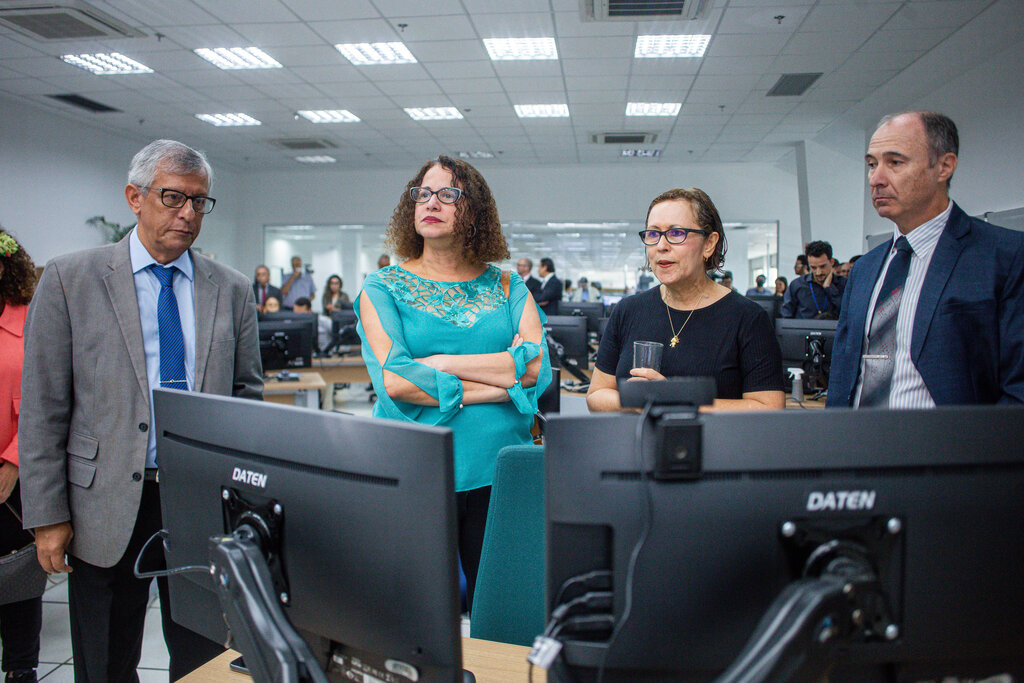
A central monitoring station, or CMS, is a secure facility where trained operators keep watch over alarms from thousands of homes and businesses. Think of it as a specialized command center. Instead of handling 911 calls, it receives signals from security systems, fire alarms, and other environmental sensors.
These stations are staffed 24 hours a day, 7 days a week. When an alarm is triggered, a signal is sent to the CMS. An operator immediately sees the alert and takes action. Their job is to quickly figure out what's happening and get the right help on the way.
What Do They Do?
The responsibilities of a CMS go beyond just watching a screen. Their core functions are monitoring, verifying, and dispatching.
Monitoring: The CMS constantly receives data from connected systems. This includes signals for intrusions, smoke, carbon monoxide, flooding, or extreme temperature changes.
Verification: A crucial step is confirming the alarm is real. To prevent false alarms, operators follow a strict procedure. This might involve calling the property owner or using audio or video feeds from the site to check for actual threats.
Dispatching: Once an emergency is verified, the operator contacts the appropriate responders. This could be the police department, fire station, or emergency medical services. They provide the authorities with critical information to ensure a fast and effective response.
Why Are They Important?
A simple alarm bell is loud, but it relies on a neighbor or passerby to take action. A CMS ensures a professional is always ready to respond, no matter the time of day. This provides a critical layer of protection for people and property.
Many different sectors rely on central monitoring stations. Residential homes and commercial businesses use them for burglary and fire protection. Banks use them to monitor vaults and ATMs. Industrial facilities use them to watch for equipment failures or hazardous material leaks. Even healthcare providers use them for personal emergency response systems, allowing elderly or vulnerable individuals to call for help with the push of a button.
What is the primary role of a Central Monitoring Station (CMS)?
In the context of a CMS, what is the main purpose of the 'verification' step after an alarm is triggered?
This constant oversight provides peace of mind and ensures that when an emergency happens, a well-defined response plan springs into action immediately.