Mastering Cat's Cradle
Introduction to Cat's Cradle
The String Game You've Seen Everywhere
It starts with a simple loop of string. With a few twists and turns of the fingers, that loop becomes a shape, then another, and another. This is Cat's Cradle, a game that’s both ancient and universal. One person can create figures on their own, or two people can pass the evolving pattern back and forth between their hands.
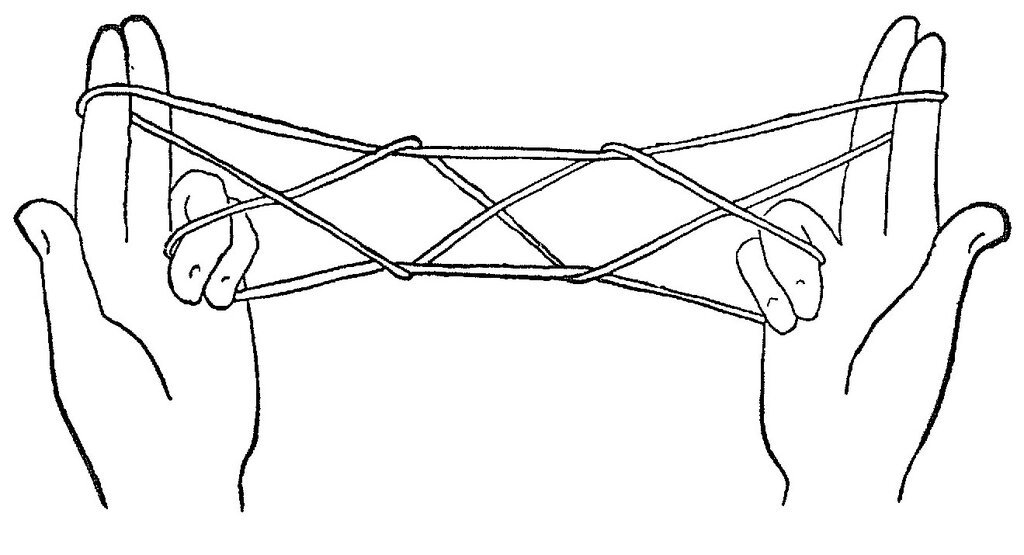
The goal is to move from one figure to the next without dropping the string or making a mistake. Each new shape is a small victory, a puzzle solved with your hands. While many know it as a simple pastime, Cat's Cradle is a tradition with deep roots all over the world.
A Global Tradition
Long before it was a playground game, Cat's Cradle was a form of storytelling and cultural expression. String figures have been found in indigenous communities from the Arctic to Africa to the Pacific Islands. In some cultures, the figures represent animals, stars, or characters from folklore. The act of making them was a way to pass down stories and traditions from one generation to the next.
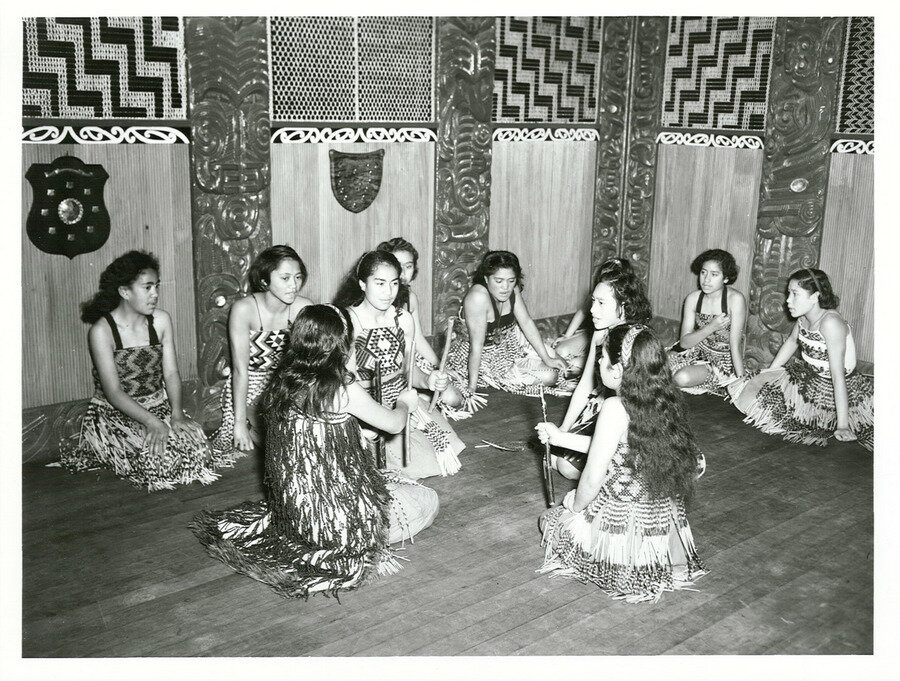
The Navajo (Diné) people of North America, for example, have complex string games that are tied to their creation stories. For them, it's more than a game; it's a way to teach important cultural lessons. Similarly, the Maori people of New Zealand have their own version, called whai, which is also woven into their cultural heritage.
The name "Cat's Cradle" itself is thought to be an English corruption of an older name, possibly "cratch-cradle," referring to the manger or cratch where Jesus was laid. The game's figures, like "Jacob's Ladder," also have ties to European history and folklore.
More Than One Way to Play
Because Cat's Cradle developed independently in so many different places, there are countless variations. The sequence of figures, the names for each pattern, and even the way the string is passed can change dramatically from one culture to another.
In Japan, the game is called Ayatori, and it's often played solo, with a focus on creating intricate figures. In some parts of the world, string games are associated with specific seasons or times of day, and playing them outside of those times is considered bad luck.
One loop of string, endless possibilities. The game is a canvas for creativity and a connection to a shared human past.
This diversity is what makes Cat's Cradle so fascinating. It shows how a simple activity can be adapted and given new meaning by different groups of people. Every version tells a unique story about the culture it comes from.
Now that you know a bit about the history, let's test your understanding.
In many indigenous communities, what was a primary function of string figures beyond simple entertainment?
The name 'Cat's Cradle' is believed to be a modern invention for the game.
Understanding the game's rich history gives context to the simple loops and patterns you create with your hands.