Mastering Cat Care
Understanding Cat Behavior
Reading Your Cat’s Body Language
Cats are masters of nonverbal communication. While we often focus on their meows, the real conversation is happening through their bodies. Paying attention to their tail, eyes, and ears can tell you almost everything you need to know about their mood.
A cat's tail is like a barometer for its emotions. A tail held high often means it's confident and happy to see you. If it's twitching at the tip, your cat is likely interested or slightly irritated. A tail puffed up like a bottle brush is a clear sign of fear or aggression, while a tail tucked between its legs signals anxiety or submission.
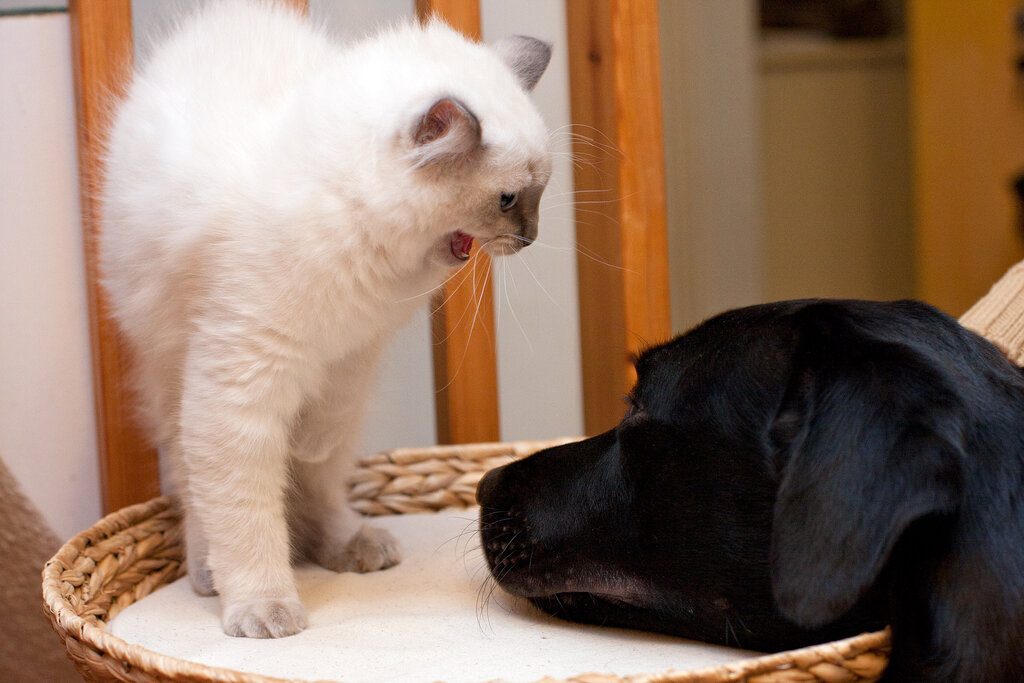
The eyes are just as expressive. If a cat gives you a slow blink, consider it a kiss. It's a sign of trust and affection. On the other hand, wide, dilated pupils can mean your cat is feeling playful, excited, or fearful. Context is key. Finally, look at the ears. Ears pointing forward show alertness and interest. If they're turned back or flattened against the head, it's a warning sign of irritation or fear.
| Body Part | Signal | Meaning |
|---|---|---|
| Tail | High, vertical | Happy, confident |
| Puffed up | Scared, angry | |
| Tucked low | Insecure, anxious | |
| Eyes | Slow blink | Trust, affection |
| Dilated pupils | Excited, playful, or scared | |
| Ears | Pointing forward | Alert, interested |
| Flattened back | Angry, frightened |
What Your Cat Is Saying
While body language is primary, cats use a variety of sounds to communicate with us. The classic "meow" is interesting because adult cats rarely meow at each other. They've developed this vocalization primarily to get the attention of humans.
Purring is one of the most recognized cat sounds, and it usually signals contentment. However, cats also purr when they are in pain or distressed, possibly as a way to soothe themselves. Hissing, spitting, and growling are clear defensive warnings. It's your cat’s way of saying "back off" without needing to fight. You might also hear chirps or chatters, which are often directed at prey they can see but can't reach, like a bird outside a window.
Each cat develops its own unique vocalizations to communicate with its owner. Listen closely, and you'll start to learn your cat's specific language.
Instincts in Action
Many common cat behaviors that might seem strange to us are perfectly normal expressions of their natural instincts. Understanding the "why" behind these actions can make living with a cat much more enjoyable.
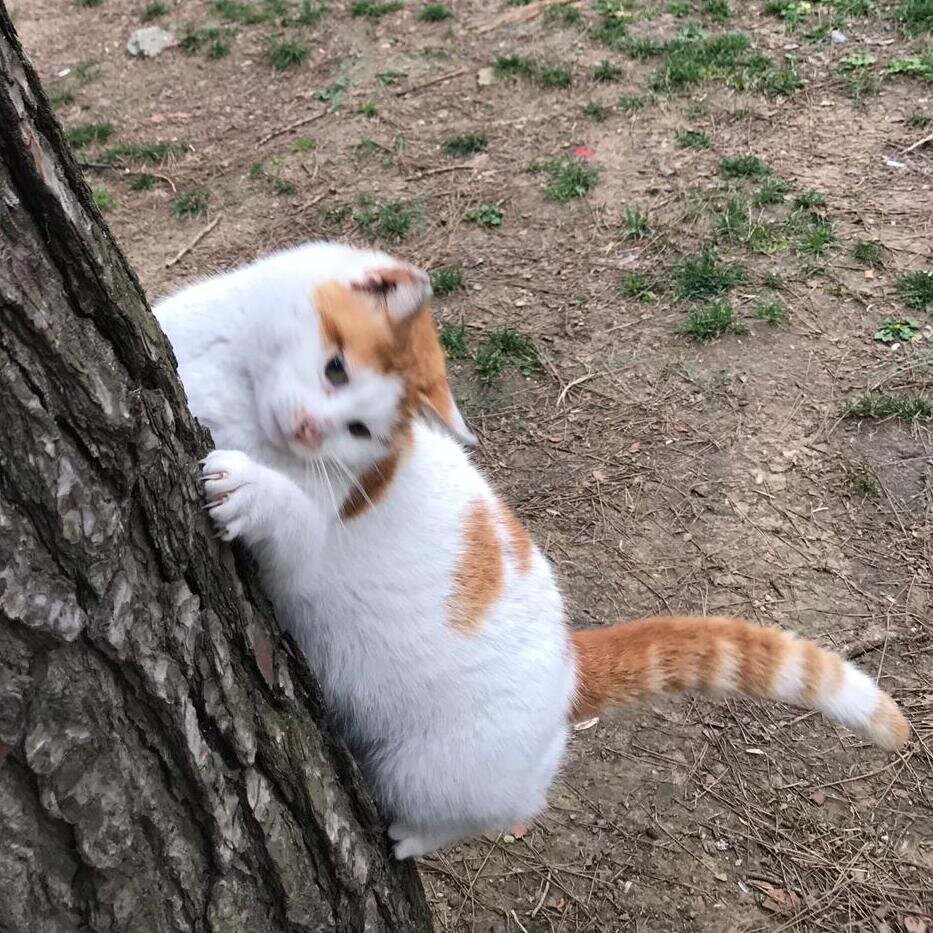
Scratching is a big one. Cats don't scratch your furniture to be destructive. They do it for several important reasons: to remove the dead outer layer of their claws, to stretch their bodies, and to mark their territory. Their paws contain scent glands, so every time they scratch, they're leaving a visual and scent-based message that says, "this is my space."
Play is another vital, instinct-driven behavior. For a cat, play is practice for hunting. Stalking a feather wand, pouncing on a toy mouse, and chasing a laser dot all mimic the sequence of a real hunt. This isn't just for fun; it provides essential mental stimulation and physical exercise, which helps prevent boredom and anxiety.
My number one tip for most cat behavior issues is more play.
Regular play sessions are one of the best ways to build a bond with your cat and keep them happy and healthy. It allows them to express their inner predator in a safe and positive way.
What does a cat's tail puffed up like a bottle brush typically indicate?
A cat giving you a 'slow blink' is a sign of trust and affection.