Mastering Cartoon Cat Character Design
Shape Language Foundations
The Language of Shapes
Every character you design tells a story before you draw a single detail. The secret is in its basic shapes. By understanding the psychology behind circles, squares, and triangles, you can build a character's personality right into its foundation. This is shape language, and it's how you create designs that are immediately readable and emotionally resonant.
Use shape language to convey personality
Circles are soft, round, and have no sharp corners. This makes them feel safe, friendly, and approachable. Think of things in nature that are round: a mother's hug, soft fruits, the sun. We associate these forms with innocence and gentleness. For a cat character, a design dominated by circles will feel harmless, cute, and maybe a bit naive. This is perfect for kittens, cuddly companions, or characters meant to be immediately endearing.
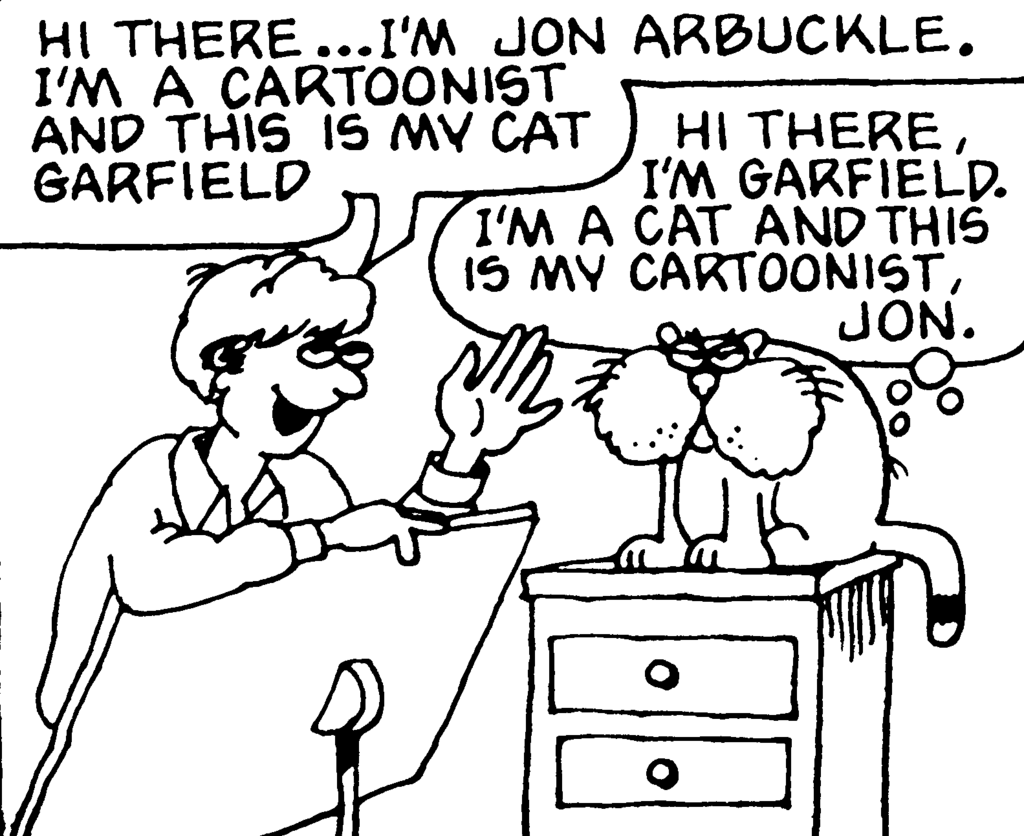
Squares and rectangles are the shapes of stability and strength. They are solid, grounded, and dependable, like buildings or heavy stones. A character built from squares will feel reliable, stubborn, and perhaps a bit slow or rigid. This shape is ideal for a tough tomcat, a wise old guardian, or a character who is meant to be a pillar of strength. Their blocky form conveys resilience and a sense of permanence.
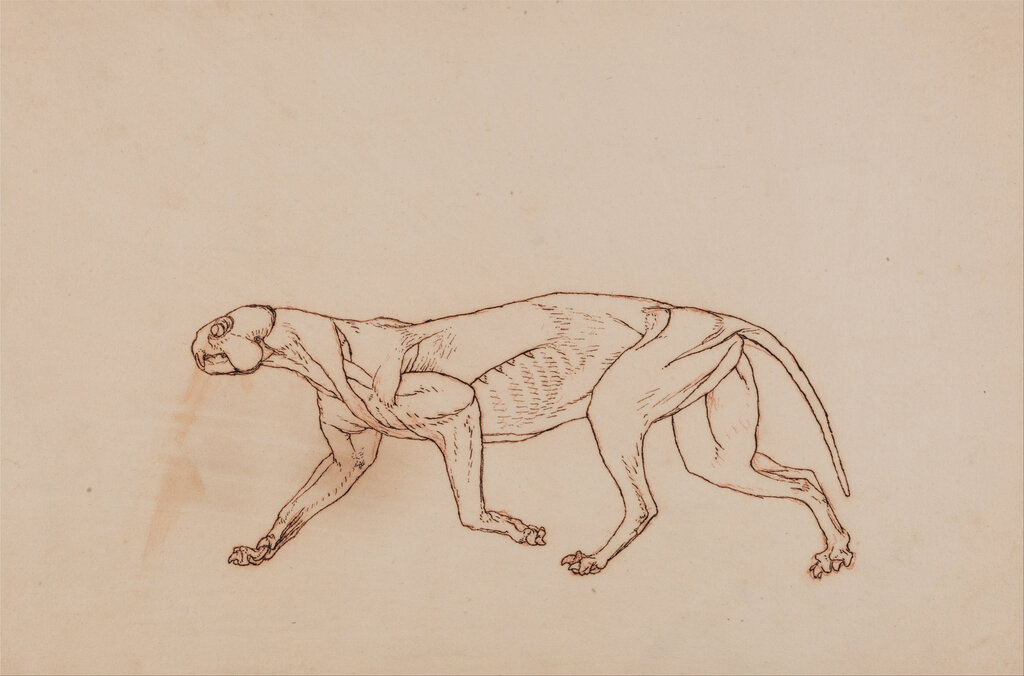
Triangles are sharp and dynamic. Their points direct the eye and suggest movement and energy. They can also imply danger, like thorns, teeth, or shards of glass. A character dominated by triangles will feel cunning, aggressive, or unpredictable. This shape is a classic choice for villains, agile tricksters, or any character meant to put the audience on edge. The sharp angles create a sense of tension and action.
Building a Silhouette
Great characters are rarely made of a single shape. The most memorable designs combine shapes to create a more nuanced personality. You start with a primary shape to define the character's core identity and overall silhouette. Then, you add secondary shapes to refine their traits.
Imagine a cat character. Its primary shape might be a large, sturdy square for the body, telling us it's strong and dependable. But what if we give it sharp, triangular ears? Now, that secondary shape adds a layer of aggression or alertness. It's still a strong character, but one with a dangerous side. Conversely, a sleek, triangular body (agile) with large, round eyes (innocence) creates a completely different feel—perhaps a mischievous but ultimately harmless character.
This combination creates a silhouette, the character's outline. A strong, readable silhouette ensures your character is recognizable from a distance, even without details. Before you think about fur color or eye shape, ask yourself: does the basic outline of my character clearly communicate its core personality?
Proportions and Archetypes
Finally, you can push these ideas further by playing with proportions. A character's archetype can be defined by how you size and relate its different parts. For example, a character with a very large head compared to its body often reads as intelligent or childlike. A huge, square body with a tiny head might look like a brute who is all muscle and no brains.
Consider these feline archetypes:
- The Hero: Often a balanced mix of shapes. Maybe a square chest for strength, but with some rounded edges for approachability and triangular elements in their stance to show they are ready for action.
- The Sidekick: Usually dominated by circles. A smaller size and softer shapes make them seem friendly and less intimidating than the hero.
- The Villain: Leans heavily on triangles and sharp angles. An elongated, thin body with sharp claws, ears, and tail can create an immediate sense of unease and danger.
By consciously choosing your primary shapes, combining them thoughtfully, and adjusting their proportions, you can design unique cat characters that are instantly understood. Shape language is the foundation that gives your detailed work meaning.
According to shape language, what personality trait is most strongly associated with circles?
You want to design a character who is a wise, dependable guardian. Which primary shape would be the best foundation for this character's design?