Mastering Car Washing Techniques
Car Washing Basics
The Right Way to Wash Your Car
Washing your car is more than just a chore. It’s a key part of maintenance that protects your investment. Regular washing removes dirt, grime, bird droppings, and road salt. If left alone, these contaminants can eat away at your car's paint and clear coat, leading to rust and a dull finish. A clean car not only looks better but also helps preserve its value over time.
Before you start, gather the right supplies. You might be tempted to grab dish soap, but don't. Dish soap is designed to strip grease and will do the same to your car's protective wax layer. Instead, use a pH-balanced car shampoo. These are specifically formulated to clean your car's surface without damaging the paint or wax.
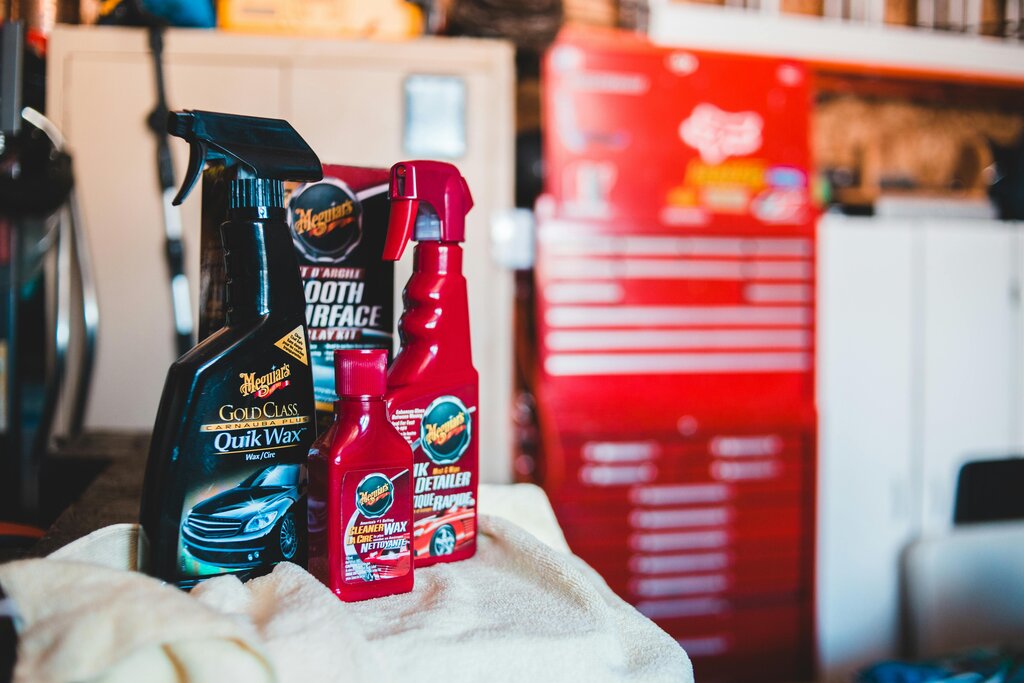
What you wash with is just as important as what you wash with. Avoid old rags, bath towels, or rough sponges. These can trap dirt particles and create tiny scratches in the paint, often called swirl marks. The best tool for the job is a soft microfiber wash mitt. Its long fibers pull dirt away from the surface and trap it, minimizing the risk of scratching.
Always use a dedicated, pH-balanced car shampoo and a microfiber wash mitt to protect your paint.
Setting Up for Success
Timing and location matter. Washing your car in direct sunlight is a common mistake. The sun heats up the car's panels, causing water and soap to evaporate too quickly. This leaves behind stubborn water spots and soap streaks that are hard to remove.
For the best results, wash your car in the morning or late afternoon when the sun is less intense. If possible, find a shady spot. This keeps the surface cool and gives you plenty of time to wash and rinse each section properly before it dries.
The Two-Bucket Method
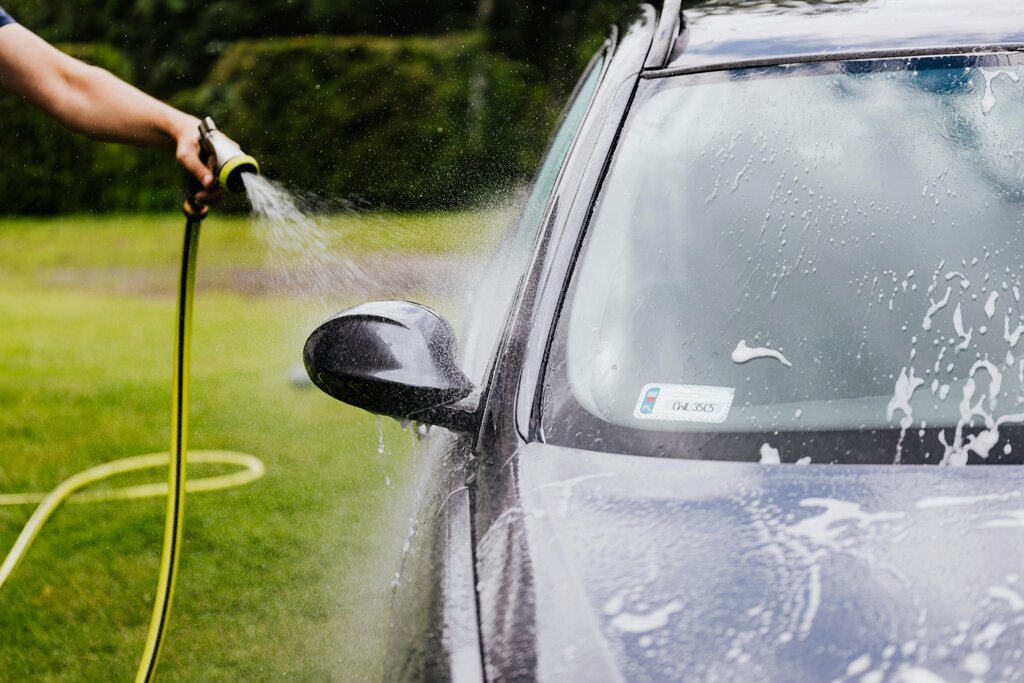
One of the most effective techniques for a safe wash is the two-bucket method. It’s a simple system designed to keep the dirt you remove from getting back onto your car.
Here’s how it works: You have one bucket filled with your car shampoo solution and a second bucket filled with plain, clean water for rinsing. After washing a small section of your car, you dip the dirty mitt into the rinse bucket first. Wring it out to release the collected dirt and grit. Only then do you dip it back into the soapy water bucket to pick up fresh suds for the next section. This process ensures your soapy water stays clean and you're not just dragging grit all over your paint.
This simple change in your routine makes a huge difference in preventing swirl marks and keeping your car's finish looking its best for years to come.
Ready to check your knowledge?
Why is it important to wash your car regularly?
Which cleaning agent should you avoid using on your car's paint?
By following these basic principles, you can wash your car safely and effectively, protecting its paint and preserving its value.