Mastering Calmness
Understanding Anxiety
What is Anxiety?
Anxiety is a normal human emotion. It’s that feeling of unease, worry, or fear you get before a big presentation, a first date, or a difficult conversation. In these moments, anxiety is your body's natural alarm system. It's a response to stress that keeps you alert and ready for potential challenges.
Anxiety is a natural and protective response designed to keep us alert and prepared for potential threats.
This response is helpful in small doses. It can motivate you to prepare for an exam or stay focused during a job interview. But when this feeling doesn't go away, or it shows up for no clear reason, it can become a problem. An anxiety disorder isn't just temporary worry; it's persistent and excessive fear that can interfere with daily life.
anxiety
noun
An emotion characterized by feelings of tension, worried thoughts, and physical changes like increased blood pressure.
How Anxiety Feels
Anxiety isn't just a mental state; it shows up in your body and your actions, too. The symptoms can be grouped into three main categories: physical, psychological, and behavioral. People experience these differently, and the intensity can range from mild to severe.
| Physical Symptoms | Psychological Symptoms | Behavioral Symptoms |
|---|---|---|
| Racing heart | Excessive worry | Avoiding situations |
| Sweating | Racing thoughts | Restlessness or fidgeting |
| Shortness of breath | Difficulty concentrating | Being easily startled |
| Muscle tension | Irritability or edginess | Changes in sleep patterns |
| Dizziness or lightheadedness | A sense of impending doom | Seeking constant reassurance |
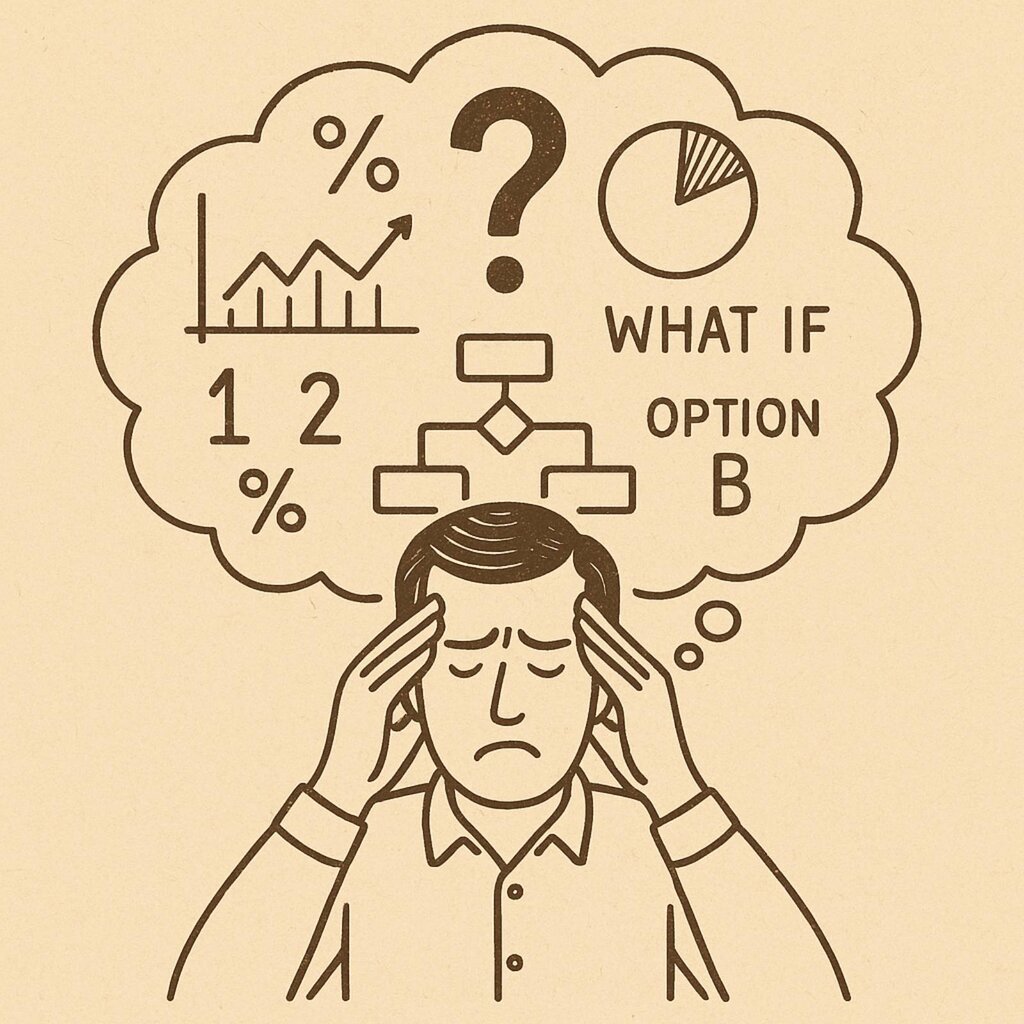
These symptoms can create a feedback loop. For instance, you might notice your heart is racing, which makes you worry more, which in turn makes your heart beat even faster. This cycle can feel overwhelming and difficult to break.
Types of Anxiety Disorders
While occasional anxiety is a universal experience, persistent and intense anxiety may be classified as a specific disorder. Each disorder has a distinct pattern of symptoms.
Generalized Anxiety Disorder (GAD) involves chronic, excessive worry about a wide range of topics, from health and finances to everyday responsibilities. The worry is often disproportionate to the actual situation and feels difficult to control.
Someone with GAD might constantly anticipate disaster and worry endlessly about things that are unlikely to happen.
Panic Disorder is characterized by unexpected and repeated episodes of intense fear, known as panic attacks. These attacks involve sudden, overwhelming physical symptoms like a pounding heart, trouble breathing, and a feeling of losing control.
The fear of having another attack can itself become a major source of anxiety, leading people to avoid places where previous attacks have occurred.
Social Anxiety Disorder is an intense fear of being watched or judged by others. This goes far beyond simple shyness. It can make everyday social situations, like speaking in a meeting or even eating in public, feel unbearable.
Causes and Risk Factors
There isn't a single switch that causes anxiety. Instead, it's typically the result of a complex interplay between biological and environmental factors. Your unique makeup and life experiences both play a role.
Key contributing factors include:
- Genetics: Anxiety disorders can run in families. If a close relative has an anxiety disorder, you may be more likely to develop one.
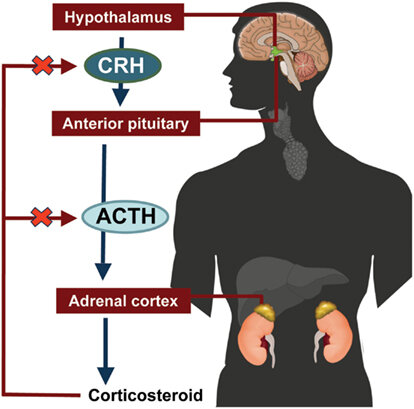
- Brain Chemistry: The brain's stress response system, often called the Hypothalamic-Pituitary-Adrenal (HPA) axis, can become overactive in people with anxiety. Imbalances in neurotransmitters like serotonin and dopamine are also thought to play a part.
- Life Experiences: Stressful or traumatic events, such as neglect, abuse, the death of a loved one, or significant life changes, can trigger anxiety.
- Personality Traits: Certain personality types, such as being timid, pessimistic, or having low self-esteem, are more susceptible to anxiety.
Understanding these factors helps explain why some people are more vulnerable to anxiety than others. Recognizing these patterns in yourself is a crucial first step.