Mastering Calmness
Understanding Emotions
What Are Emotions?
Emotions are our body's response to the world around us. They're not just simple feelings; they are complex, full-body experiences that involve our thoughts, physical sensations, and actions. Think of them as messengers, delivering important information about our environment and our inner state. They help us navigate challenges, connect with others, and make sense of our lives.
Emotions are short-lived, feeling-arousal-purposive-expressive phenomena that help us adapt to the opportunities and challenges we face during important life events.
When we experience an emotion, three things are happening at once: our body reacts, our mind interprets, and we get the urge to act. This cycle links our thoughts, feelings, and behaviors together.
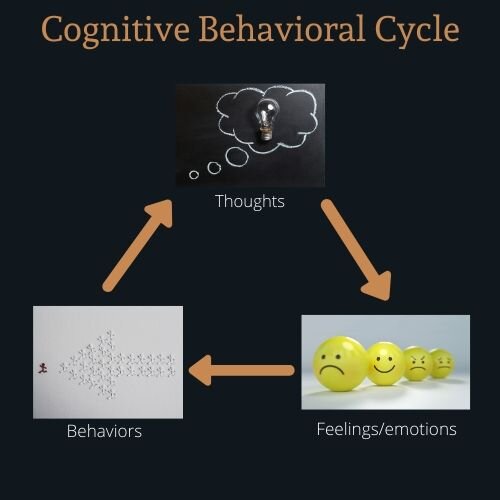
Imagine you're walking in the woods and hear a twig snap behind you. Your body might instantly react with a jolt of adrenaline, a faster heartbeat, and tense muscles. This is the physiological process. Your mind then quickly interprets the situation: "Is that a threat?" This is the psychological process. These two processes combine to create the feeling we label as fear. Your resulting behavior might be to turn around quickly or start walking faster.
The Spectrum of Emotions
While it can sometimes feel like we have countless emotions, many psychologists believe they stem from a few core, universal ones. These primary emotions act like primary colors, which can be mixed to create a full spectrum of emotional experiences. For example, feelings like joy, sadness, anger, and fear are recognized across cultures.
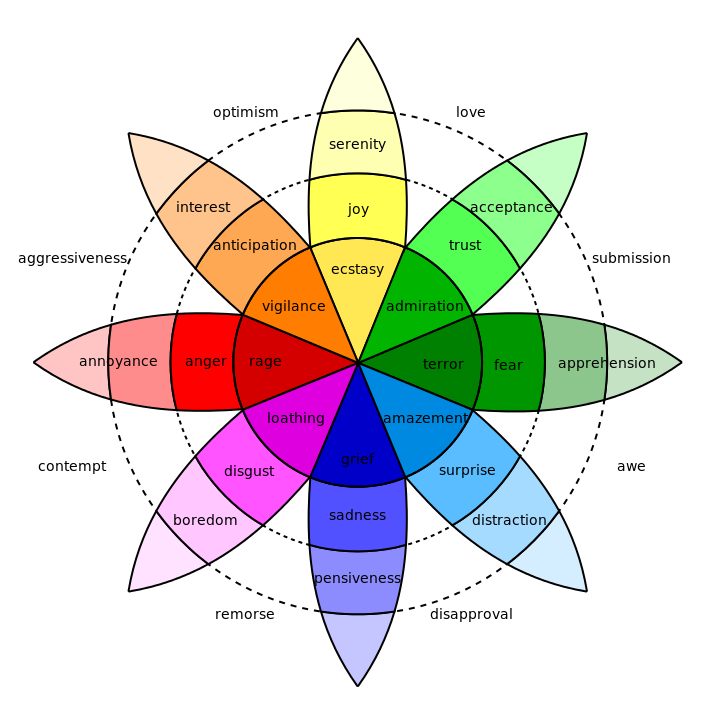
More complex emotions are often combinations of these basic ones. For instance, combining joy and trust can lead to love. Disappointment might be a mix of surprise and sadness. Emotions also vary in intensity. Annoyance is a milder form of anger, while terror is an intense form of fear. Understanding this spectrum helps us put a more precise name to what we're feeling.
Emotions and Decisions
Emotions are not just background noise; they actively shape our thoughts and guide our decisions. They act as a quick, intuitive feedback system. A feeling of unease might signal that a situation is risky, while a sense of excitement can motivate you to pursue a new opportunity. Emotions help us make snap judgments when we don't have time for slow, logical analysis.
For example, feeling anxious before a big presentation can motivate you to prepare more thoroughly. Feeling happy after accomplishing a goal reinforces that behavior, making you more likely to pursue similar goals in the future.
However, strong emotions can also cloud our judgment. Intense anger might lead to impulsive words you later regret. Extreme anxiety can make it hard to think clearly and solve problems. This is where emotional awareness becomes so important.
Emotional Awareness
noun
The ability to recognize and understand your own emotions and how they affect your thoughts and behavior.
Emotional awareness is simply the skill of paying attention to your inner world without judgment. It's about noticing when you feel a certain way and getting curious about why. When you can identify what you're feeling, you're in a much better position to understand its message and decide how to respond, rather than letting it control you.
The first step in managing emotions is to become aware of them.
By understanding the what, why, and how of your emotions, you build a foundation for navigating life's ups and downs more effectively.
What are the three core components that combine to create a full-body emotional experience?
According to the text, what is the primary role of emotions?