Mastering Calisthenics Bodyweight Training
Introduction to Calisthenics
What Is Calisthenics?
Calisthenics is a form of strength training that uses your own bodyweight for resistance. Instead of lifting dumbbells or using machines, you master control over your own body through exercises like push-ups, squats, and pull-ups. The goal is to build functional strength, the kind you use in everyday life.
The benefits go beyond just muscle. Calisthenics improves your flexibility, balance, and endurance all at once. Because you’re moving your body through its full range of motion, you develop a connected, coordinated strength that’s difficult to achieve with isolated weight-lifting.
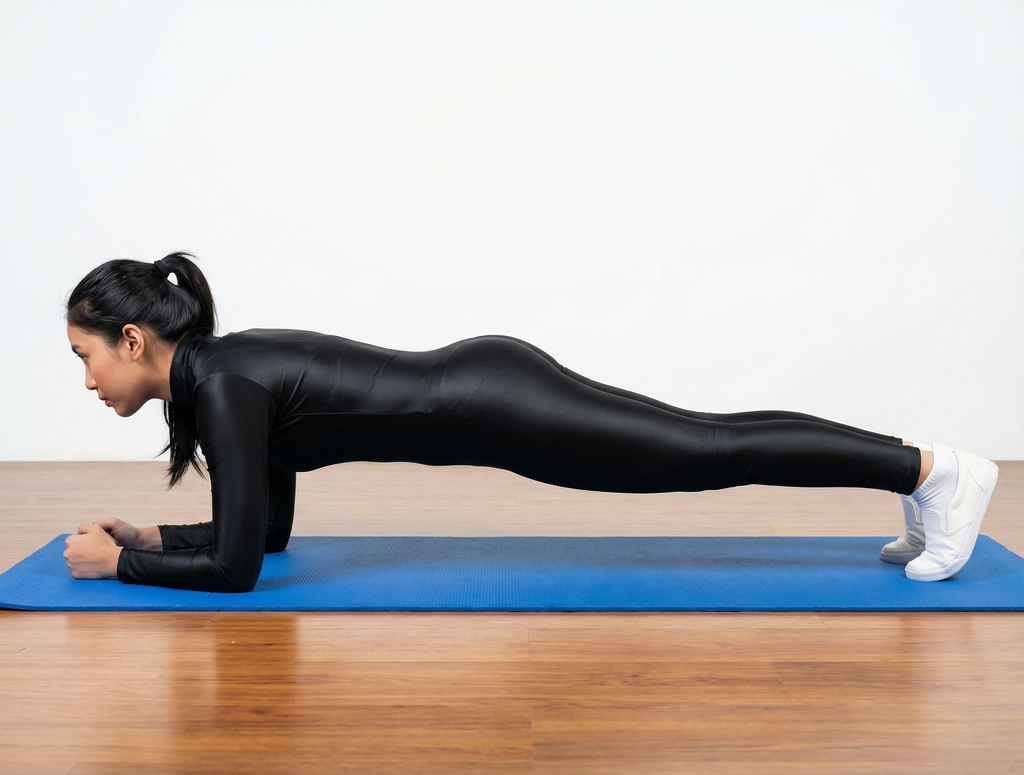
Calisthenics has surged in popularity for good reason—this bodyweight-based training builds strength, endurance, and mobility without the need for expensive equipment or gym memberships.
One of the best parts about calisthenics is its accessibility. You don't need a gym membership or expensive gear. A floor, a wall, and maybe a sturdy bar are all you need to get started. This freedom allows you to work out anywhere, whether you're at home, in a park, or traveling.
Form Is Everything
Before you try to do a hundred push-ups, you need to master doing just one perfectly. In calisthenics, proper form is non-negotiable. Good form ensures you're working the right muscles and, more importantly, keeps you safe from injury. It's the foundation upon which all strength is built.
Think of it like building a house. You wouldn't put up walls on a shaky foundation. Each exercise has a specific technique, from the position of your hands and feet to the alignment of your spine. Rushing into difficult movements with poor form is a fast track to sprains and strains.
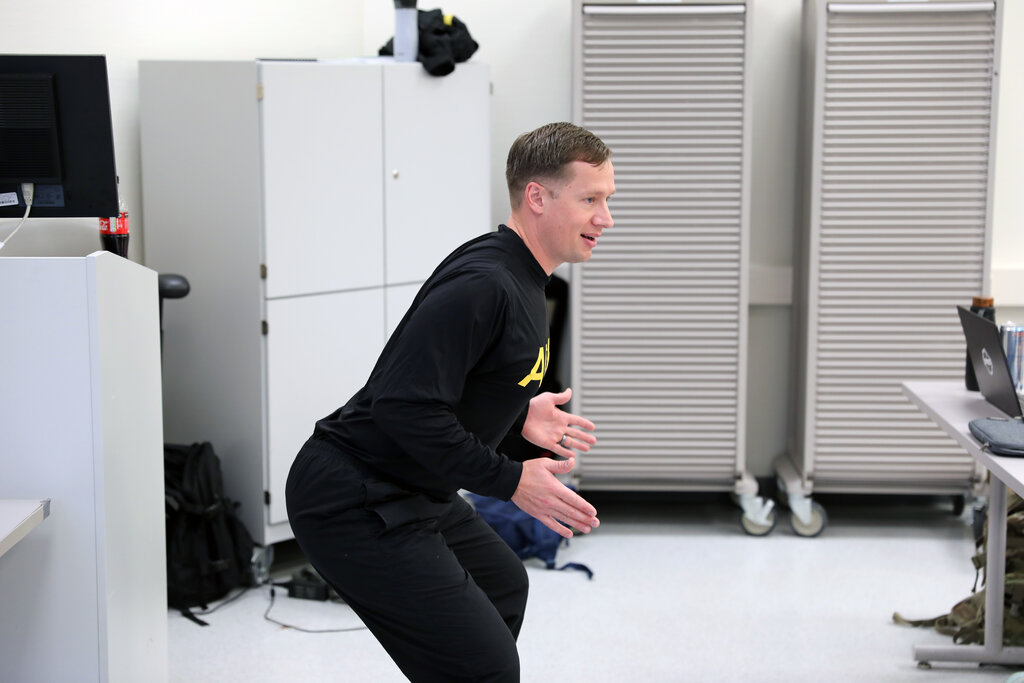
Focus on quality over quantity. Ten well-executed squats are far more effective than 30 sloppy ones.
How You Get Stronger
Muscles grow when they are challenged. To get stronger, you can't just do the same routine forever. You need to gradually make your exercises harder. This principle is called progressive overload.
In weightlifting, progressive overload is simple: you add more weight to the bar. In calisthenics, you get more creative. You can increase the difficulty by:
- Increasing repetitions: Doing more reps in a set.
- Changing leverage: Shifting your body to make the exercise harder, like moving from an incline push-up to a flat one.
- Decreasing stability: For example, lifting one leg during a plank.
- Slowing down the tempo: Performing each repetition more slowly to increase time under tension.
| Level | Exercise | Why It's Harder |
|---|---|---|
| 1 | Wall Push-ups | You're pushing a small fraction of your bodyweight. |
| 2 | Incline Push-ups | Your body is more horizontal, increasing resistance. |
| 3 | Knee Push-ups | You support more bodyweight than on an incline. |
| 4 | Full Push-ups | You are pushing most of your bodyweight. |
By following these progressions, you can continue to challenge your muscles and build strength without ever touching a weight.
What is the primary source of resistance used in calisthenics training?
The principle of making exercises gradually harder over time to continue building strength is known as ______.
Calisthenics offers a simple, effective path to fitness by focusing on the fundamentals of movement and strength. With a commitment to proper form and consistent progression, you can build a strong, capable body using the most advanced piece of equipment you already own: yourself.