Mastering Business Transformation
Introduction to Business Transformation
Rethinking Everything
Business transformation is more than just a fresh coat of paint. It's a fundamental overhaul of how a company operates. Think of it as rebuilding a house, not just rearranging the furniture. Companies embark on this journey to respond to big shifts in the market, new technology, or persistent internal problems.
The goal isn't just to make small improvements. It's to rethink core strategies, structures, and processes to stay competitive and secure long-term success. It’s a deep, strategic change that affects the entire organization, from the top leadership to the frontline employees.
Three Flavors of Change
Transformation isn't one-size-fits-all. It typically comes in a few distinct forms, though they often overlap.
Digital Transformation: This is about weaving technology into the fabric of the business. It could mean moving from filing cabinets to cloud-based systems, using data to understand customers better, or adopting AI to automate tasks. It changes how a company delivers value and interacts with its market.
Operational Transformation: This focuses on a company's core processes—the way it gets things done. The aim is to become more efficient, reduce costs, or improve quality. Imagine a manufacturing company redesigning its assembly line to build products faster, or a logistics firm revamping its delivery network to cut down on shipping times.
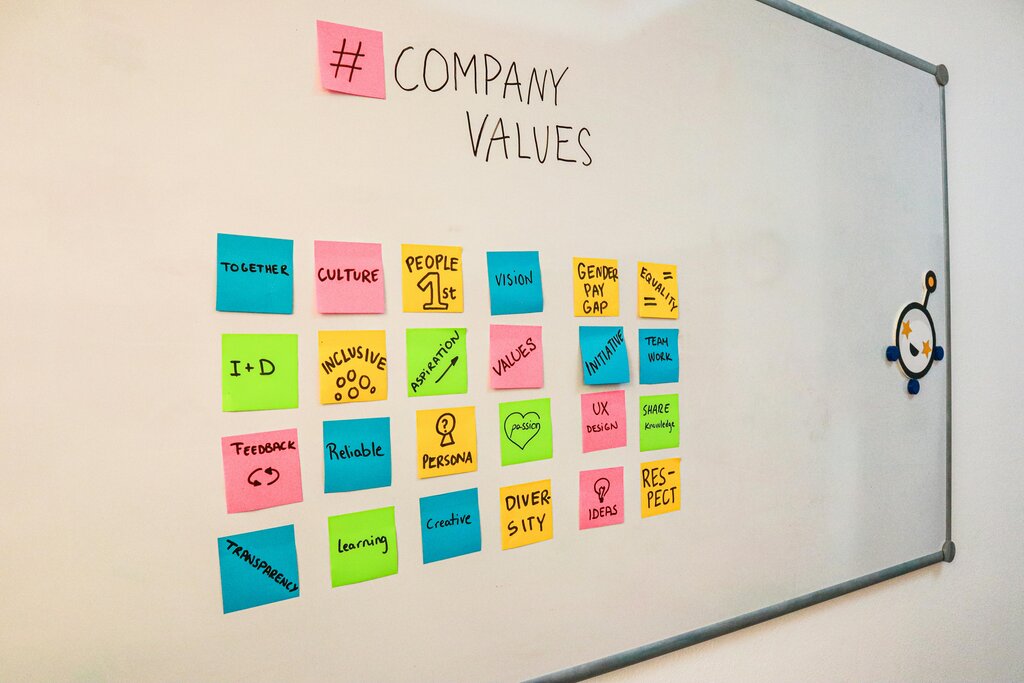
Cultural Transformation: This is arguably the most challenging type. It involves changing the collective mindset, behaviors, and values of the people within the organization. This could mean shifting from a rigid, top-down hierarchy to a more collaborative and innovative environment where employees feel empowered to share ideas.
The Strategic Imperative
Why go through all this trouble? Because standing still is often the riskiest move a business can make. Transformation is a strategic necessity for survival and growth. Markets evolve, customer expectations change, and new competitors emerge. A company that doesn't adapt will eventually be left behind.
By proactively transforming, businesses can not only weather these changes but also discover new opportunities. It allows them to become more agile, resilient, and better prepared for the future.
True transformation requires a strategic, holistic approach that aligns technology with people and processes.
Staying True to Your Core
Change for the sake of change is chaotic and counterproductive. Effective transformation must be guided by a clear purpose that aligns with the organization's core mission, values, and long-term objectives. Without this anchor, efforts can become scattered and confusing for employees and customers alike.
Before starting any transformation, leaders must ask: Why are we doing this? How will this help us better serve our customers and achieve our mission? A company known for its exceptional customer service, for example, should ensure any digital transformation enhances that relationship, rather than creating a frustrating, automated barrier. The changes must reinforce what the company stands for.
Now, let's check your understanding of these core concepts.
Which of the following best describes the primary goal of business transformation?
A manufacturing company redesigns its entire assembly line to integrate new robotics, aiming to increase speed and reduce errors. This is a prime example of what type of transformation?