Mastering Business Performance Metrics
Introduction to Business Performance Metrics
What Are Business Metrics?
Business performance metrics are quantifiable measures that track how a company is doing. Think of them as the gauges on a car's dashboard. Your speedometer, fuel gauge, and engine temperature light all give you specific, vital information. You don't guess how fast you're going; you look at a number. Metrics do the same for a business.
They convert hunches and general feelings into hard data. Instead of just feeling like sales were 'good' this quarter, metrics can tell you that revenue increased by 12% while customer acquisition costs went down by 5%. This clarity is essential for understanding what’s really happening inside an organization.
Metrics convert abstract business feelings into solid facts, assisting in the identification of trends, inefficiencies, and growth prospects through data analysis.
These numbers provide a clear, objective view of performance, helping everyone from top leadership to individual team members understand where the business stands and where it's headed.
Making Smarter Decisions
Gut instinct has its place, but the most successful business strategies are built on data. Performance metrics provide the evidence needed to make informed, strategic decisions. They help answer critical questions:
- Where should we invest our resources? Metrics can reveal which products are most profitable or which marketing channels bring in the most valuable customers.
- Are we on track to meet our goals? By tracking progress against specific targets, companies can adjust their strategies before it's too late.
- What problems do we need to solve? A sudden drop in a key metric can be an early warning sign, flagging an issue before it becomes a crisis.
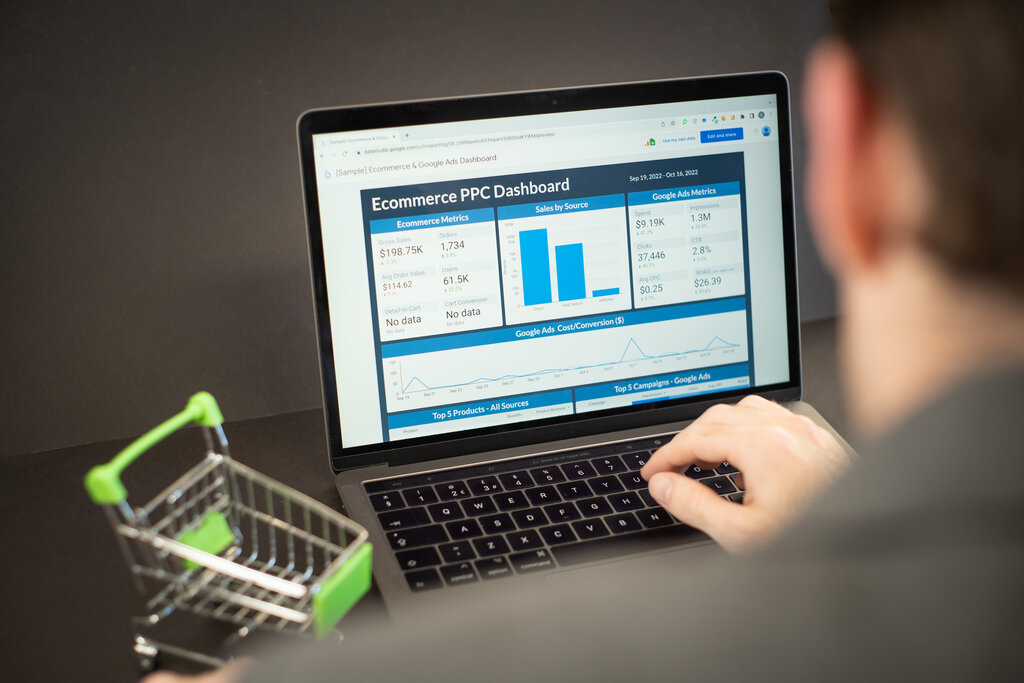
Without metrics, a business is flying blind. With them, it can navigate with confidence, spotting opportunities, avoiding risks, and steering a clear course toward its objectives.
Types of Metrics
Metrics aren't one-size-fits-all. Different departments and business functions focus on different numbers to measure success. While there are countless specific metrics, they generally fall into a few key categories.
| Metric Type | What It Measures | Example Question |
|---|---|---|
| Financial | The financial health and stability of the business. | Is the company profitable? |
| Customer | Customer satisfaction, loyalty, and engagement. | Are our customers happy with our service? |
| Operational | The efficiency and effectiveness of business processes. | How quickly can we produce and deliver our product? |
| Employee | The satisfaction, engagement, and productivity of the workforce. | Are our employees motivated and productive? |
Each category provides a different lens through which to view the business. A holistic approach, looking at a mix of these metric types, gives the most complete picture of organizational performance.