Mastering Business Judgment
Foundations of Business Ethics
What Are Business Ethics?
At its core, ethics is about understanding right and wrong. It’s the set of moral principles that guide our behavior. We all have a personal code of ethics, shaped by our upbringing, experiences, and beliefs. It helps us decide how to act in our daily lives.
Ethics
noun
Moral principles that govern a person's behavior or the conducting of an activity.
Business ethics is simply the application of these principles in a professional setting. It’s about how companies and the people within them conduct themselves. This isn't just about following the law. Legal and ethical aren't always the same thing. An action might be legal but still widely considered unethical.
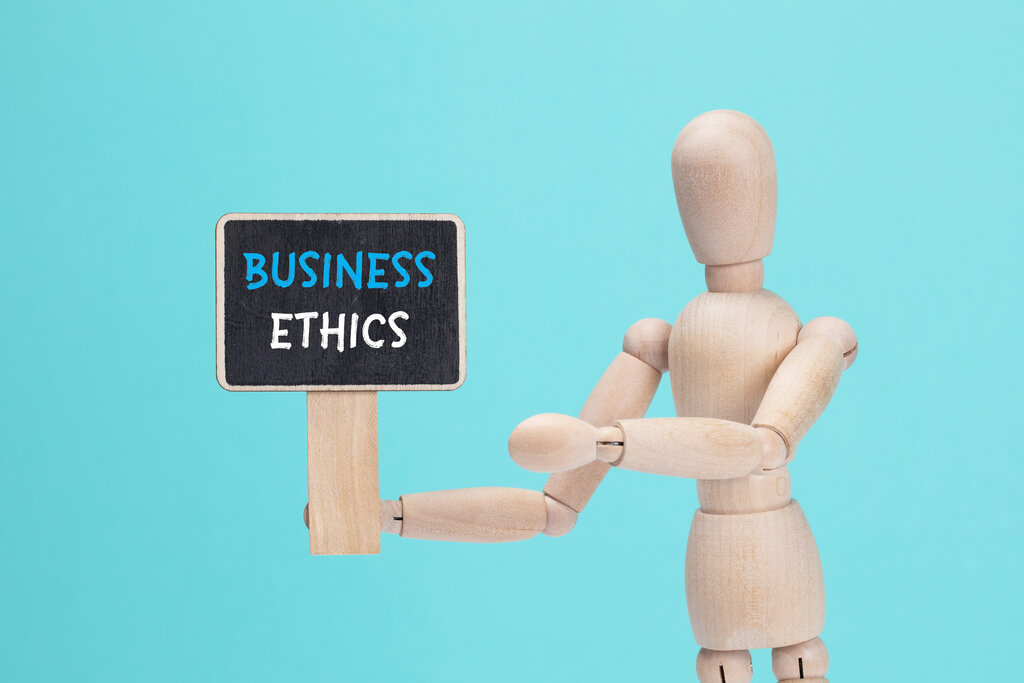
Think of it this way: your personal ethics might guide you to be honest with a friend. Business ethics guides a company to be honest in its advertising. The context changes, but the core principle of honesty remains.
The main difference between personal and business ethics is scale. Business decisions can affect thousands of employees, customers, and even entire communities.
Why Bother with Ethics?
Some might argue that the only goal of a business is to make a profit. But operating ethically is crucial for long-term success. When a company acts ethically, it builds trust with its customers. People are more likely to buy from, and remain loyal to, a brand they believe is fair and honest.
Ethical behavior also improves employee morale and retention. When people feel their employer is doing the right thing, they are more engaged and committed to their work. This creates a positive company culture that attracts top talent.
Finally, a strong ethical foundation helps a company stay out of trouble. Unethical behavior can lead to costly lawsuits, government fines, and irreparable damage to a brand's reputation.
First and foremost, having an ethical foundation leads to relationship-building, which can lead to long-term success.
Frameworks for Fair Decisions
When faced with a tough choice, how do you decide what's right? Philosophers have developed several frameworks to help guide ethical decision-making. These aren't rigid rules, but rather different lenses through which to view a problem.
| Framework | Core Idea | Key Question |
|---|---|---|
| Utilitarianism | The best action is the one that maximizes overall good and minimizes harm. | Which option produces the greatest good for the greatest number of people? |
| Deontology | Certain duties and rules are morally required, regardless of the consequences. | What are my duties? Which rules must I follow? |
| Virtue Ethics | Focuses on the character of the decision-maker, not the action itself. | What would a virtuous person (someone who is honest, brave, and just) do? |
| Justice Theory | Decisions should be based on fairness, equity, and impartiality. | Is this decision fair to everyone involved? Does it treat people equitably? |
No single framework is perfect for every situation. A utilitarian approach might justify an action that harms a minority for the benefit of the majority. A deontological approach might insist on following a rule even when it leads to a bad outcome. Understanding each one gives you a toolkit for thinking through complex issues from multiple angles.
Beyond Profit
The idea that businesses have a duty beyond just making money for shareholders is known as Corporate Social Responsibility, or CSR. It's the concept that companies should manage their business processes to produce an overall positive impact on society.
CSR
noun
Corporate Social Responsibility: a business model that helps a company be socially accountable to itself, its stakeholders, and the public.
CSR puts business ethics into practice on a large scale. It can involve a wide range of activities, from adopting environmentally friendly practices and ensuring ethical labor standards in the supply chain to donating to charities and encouraging employee volunteering.
A popular way to think about CSR is the "triple bottom line," which suggests that companies should focus on three things: profit, people, and the planet.
By integrating social and environmental concerns into their operations, businesses can build a stronger reputation, create lasting value, and contribute to a healthier society.