Mastering Business Class Award Flight Deals
Understanding Airline Loyalty Programs
The Modern Frequent Flyer
Think of airline loyalty programs like a digital punch card. Instead of a free coffee after ten purchases, you get rewarded for your travel. Airlines want to keep you flying with them, so they offer incentives through their frequent flyer programs. The currency of these programs is usually called “miles” or “points.”
Mile
noun
A unit of currency in an airline loyalty program, earned by flying, spending on credit cards, or engaging with partner companies. It can be redeemed for flights, upgrades, and other rewards.
You collect these miles and then redeem them for flights, seat upgrades, hotel stays, and more. Each airline has its own program, like American Airlines AAdvantage, Delta SkyMiles, or United MileagePlus. Joining is almost always free, and it’s the first step to unlocking more value from your travels.
How to Earn Miles
Earning miles isn't just about flying anymore. While taking flights is the most direct method, there are several other ways to build up your balance.
Flying: When you fly with an airline, you earn miles by providing your frequent flyer number during booking. Some airlines award miles based on the distance you fly, while others base it on how much your ticket costs.
Credit Card Spending: Many travelers earn the bulk of their miles on the ground. Co-branded airline credit cards give you miles for every dollar you spend. There are also general travel cards that earn flexible points you can use with multiple airlines.
Partner Activities: Airlines partner with a wide range of companies. You can earn miles by renting a car, staying at a partner hotel, shopping through their online portals, or even dining at specific restaurants.
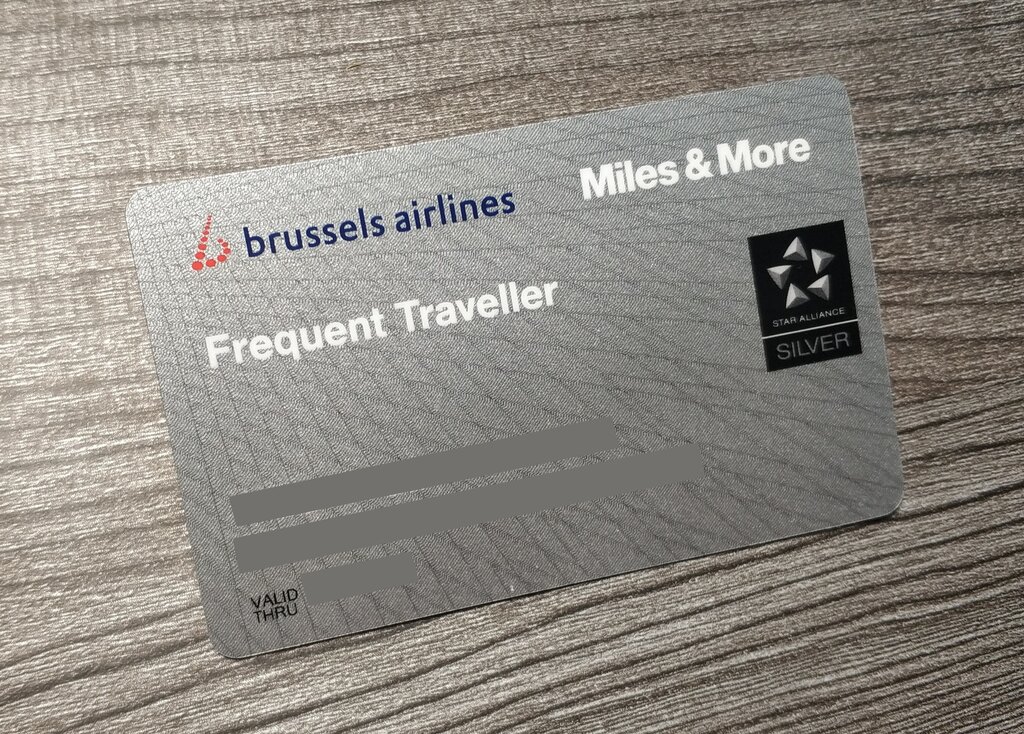
This network of partners means your everyday spending can contribute to your next trip. Buying groceries or paying bills with the right card can accelerate your earnings significantly.
The Perks of Elite Status
For those who fly frequently with one airline or its partners, there's another level of rewards: elite status. This is a tiered system that unlocks more valuable benefits the more you fly. You typically qualify by flying a certain number of miles or segments, or by spending a certain amount of money with the airline in a calendar year.
| Tier Level | Common Benefits |
|---|---|
| Silver (Low-Tier) | Priority check-in, free checked bag, chance of a seat upgrade. |
| Gold (Mid-Tier) | All Silver benefits, plus lounge access on international flights, better upgrade priority. |
| Platinum (High-Tier) | All Gold benefits, plus waived fees, higher mileage earning rates, highest upgrade priority. |
These benefits can make travel much more comfortable and efficient. Skipping long check-in lines, avoiding baggage fees, and relaxing in an airport lounge before a flight are some of the most popular perks. The possibility of a complimentary upgrade to business or first class is often the most coveted benefit of all.
Choosing the Right Program
With so many options, how do you choose? Start by considering your home airport. If it’s a hub for a particular airline, like Atlanta for Delta or Dallas for American, that airline's program is a strong candidate. You'll have more flight options and an easier time earning and using miles.
A good place to start is choosing an airline loyalty program based on your home airport.
Next, think about where you want to go. If you dream of visiting Europe, choose a program with strong European airline partners. This leads to an important concept: airline alliances. The three major alliances are Star Alliance, oneworld, and SkyTeam. Miles earned on one member airline can often be redeemed on another within the same alliance, greatly expanding your options.
Finally, consider transferable points. Some credit card programs, like Chase Ultimate Rewards or American Express Membership Rewards, earn points that are not tied to a single airline. Instead, you can transfer them to a variety of airline and hotel partners. This flexibility is incredibly valuable. It allows you to shop around for the best deal and protects you if one airline devalues its miles.
Where Chase really shines is with its airline transfer partners — including United Airlines MileagePlus, British Airways Club and Singapore Airlines KrisFlyer — allowing you to find award seats first, then transfer points once you've confirmed availability.
Understanding these basics is the key to making loyalty programs work for you. By choosing a program that aligns with your travel habits and earning rewards both in the air and on the ground, you can make your travel goals, like flying in business class, a reality.
Ready to check your understanding?
What is the primary purpose of an airline loyalty program from the airline's perspective?
Which of these is a key benefit of achieving 'elite status' with an airline?
By understanding the structure of loyalty programs and choosing one that fits your travel style, you're well on your way to earning valuable rewards.