Mastering Business Analysis
Advanced Elicitation Techniques
Moving Beyond Surveys
You already know the basics of gathering requirements, like sending out surveys or holding simple Q&A sessions. Those methods are great for capturing the low-hanging fruit. But complex projects demand a deeper dive. To uncover the nuanced, often unstated needs of stakeholders, you need more advanced elicitation techniques.
These methods are less about asking direct questions and more about creating environments for discovery. They help you understand the 'why' behind the 'what', leading to solutions that truly solve the right problems.
Use multiple elicitation techniques (like interviews, workshops, and surveys) to gather comprehensive and accurate requirements.
Let's explore a few powerful techniques that move beyond surface-level data collection.
Interactive Group Sessions
Some of the richest insights come from getting the right people in a room together. Facilitated group sessions, like focus groups and workshops, allow for dynamic conversation and collaborative problem-solving. Unlike a simple meeting, these are highly structured events with specific goals.
A focus group is primarily for discovery. You gather a representative group of users or stakeholders to discuss their needs, experiences, and opinions on a particular topic. The goal is to understand perspectives and identify common themes.
Workshops, on the other hand, are for creation. Participants don't just talk; they actively work together to produce a deliverable. This could be anything from a process map to a prioritized list of features. The facilitator guides the group through activities designed to build consensus and define requirements.
| Technique | Primary Goal | Best For |
|---|---|---|
| In-depth Interview | Deeply understand an individual's perspective, workflow, and pain points. | Uncovering detailed, context-specific information from a subject matter expert. |
| Focus Group | Gauge reactions and gather a range of opinions from a target demographic. | Exploring user attitudes and generating ideas early in the process. |
| Workshop | Collaboratively define, analyze, and prioritize requirements. | Building consensus and producing tangible outputs like process models or feature lists. |
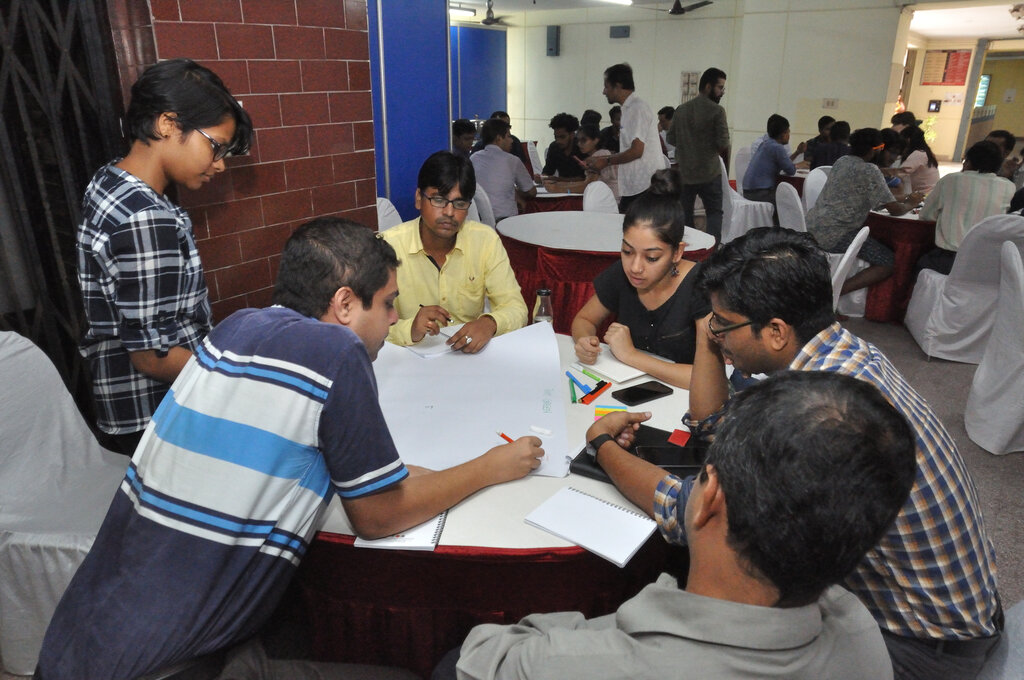
The key to a successful group session is preparation. You need a clear agenda, well-defined activities, and a skilled facilitator who can keep the discussion on track and ensure everyone contributes. The output isn't just a list of ideas; it's a shared understanding that aligns the entire team.
Capturing Functionality
Once you have a high-level understanding of the needs, you must translate them into specific functional requirements. Two of the most effective tools for this are user stories and use cases. While related, they serve different purposes.
User Story
noun
A short, simple description of a feature told from the perspective of the person who desires the new capability, usually a user or customer of the system.
User stories follow a simple template:
As a [type of user], I want [some goal], so that [some reason].
This format forces you to focus on the user's motivation and the value the feature provides. It keeps the conversation centered on the user, not just the technology. For example:
"As a shopper, I want to save items to a wishlist so that I can buy them later."
This is clear, concise, and explains the business value. User stories are the building blocks of an agile development backlog.
Use cases are more formal and detailed. They describe the step-by-step interaction between a user (or 'actor') and the system to achieve a specific goal. A use case includes the main success scenario, alternative paths, and potential error conditions.
Think of it this way: a user story is the 'what' and 'why,' while a use case is the 'how.' Both are essential for creating a complete picture of what the system needs to do.
Assessing Feasibility
Gathering requirements is only half the battle. You also need to determine if a proposed solution is financially viable. Financial analysis techniques help you build a business case and justify the investment.
Three common methods are:
-
Cost-Benefit Analysis (CBA): This is the most straightforward method. You sum up all the projected costs of a project and compare them to the total expected benefits. If the benefits outweigh the costs, the project is potentially worthwhile. Benefits can be tangible (like increased revenue) or intangible (like improved customer satisfaction).
-
Return on Investment (ROI): This metric calculates the profitability of an investment. It's expressed as a percentage and helps compare the efficiency of different projects.
-
Payback Period: This calculation tells you how long it will take for a project to generate enough revenue to cover its initial costs. A shorter payback period is generally preferred as it indicates less risk.
These financial metrics provide a quantitative basis for decision-making. They move the conversation from "this is a good idea" to "this idea will provide $1.2 million in value over three years with a payback period of 18 months." This kind of data-driven analysis is crucial for getting stakeholder buy-in for significant projects.
Ready to test your understanding of these techniques? Let's see how well you can apply them.
What is the primary purpose of using advanced elicitation techniques like workshops and focus groups?
A project team gathers to collaboratively design a process map for a new system. Which type of facilitated session is this?
By mastering these advanced techniques, you can move from simply collecting requirements to strategically defining solutions that deliver real business value.