Mastering Brand Strategy
Brand Fundamentals
What Is a Brand?
A brand isn't just a logo, a name, or a color scheme. It's the total experience your customers have with your company. It’s the gut feeling people get when they think about your product or service. It’s the story people tell themselves about you.
A brand is so much more than a logo or its visual elements, and building a strong one is often equal to, if not more important, than the product or service itself.
Think about a company you love. What comes to mind? It's probably not just their logo. You might think of their customer service, the quality of their products, or the way they make you feel. All of those touchpoints, tangible and intangible, make up the brand.
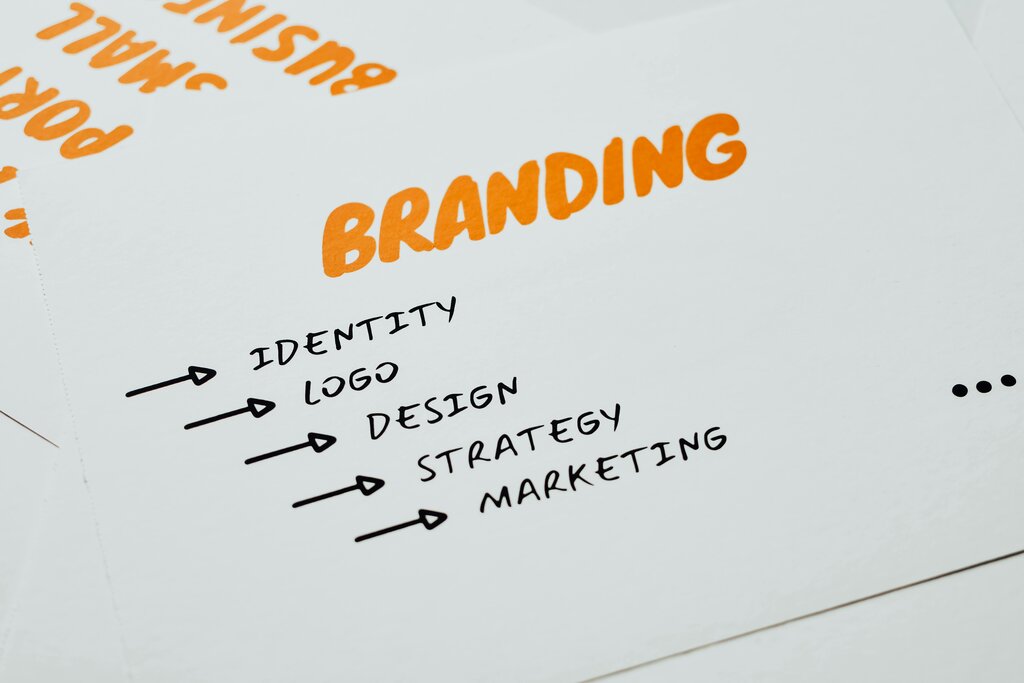
The Components of a Brand
A strong brand is built from several key components working together. Each piece helps shape the overall perception and create a consistent experience for the customer.
| Component | Description |
|---|---|
| Identity | The collection of all visual elements, like the logo, colors, and typography. It's the face of the brand. |
| Personality | The set of human characteristics attributed to a brand. Is it playful, serious, rugged, or sophisticated? |
| Voice | The tone and language used in all communications. It's how the brand speaks to its audience. |
| Values | The core beliefs that guide the brand's actions and decisions. What does the company stand for? |
| Promise | The specific benefit or experience that customers can expect to receive with every interaction. |
When these components are aligned, they create a cohesive and memorable brand. A mismatch—like a brand that claims to be simple and user-friendly but has a confusing website—can weaken customer trust.
The Value of Brand Equity
So, why does all this matter? The ultimate goal is to build brand equity. Brand equity is the commercial value that a brand derives from consumer perception of the brand name, rather than from the product or service itself.
Equity
noun
The value of a company, divided into many equal parts owned by the shareholders, or one of the parts into which the value of a company is divided.
Think of it like a reputation. A strong, positive reputation gives a brand immense power. It means customers are more likely to choose your product over a competitor's, even if they are very similar. They're also often willing to pay more for a brand they trust and recognize.
High brand equity leads to greater customer loyalty, less vulnerability to competitive marketing actions, and larger profit margins.
Building brand equity is a long-term investment. It doesn’t happen overnight. It’s the result of consistently delivering on your brand promise and building strong, positive associations in the minds of consumers. In essence, your brand is one of your most valuable assets.
Which of the following best defines a brand?
The commercial value derived from consumer perception of a brand name, rather than from the product or service itself, is known as ________.