Mastering Bouldering Techniques and Safety
Introduction to Bouldering
What is Bouldering?
Bouldering is a style of rock climbing stripped down to its essentials. Climbers ascend short routes on small rock formations or artificial walls without the use of ropes or harnesses. The focus isn't on height, but on power, technique, and problem-solving. Each route, known as a "bouldering problem," is a physical puzzle waiting to be solved.
Unlike traditional rock climbing, which involves scaling much taller faces with extensive safety gear, bouldering keeps you closer to the ground. The challenge comes from completing a sequence of difficult moves. This emphasis on short, intense bursts of effort makes it a unique physical and mental discipline.
Safety and Simplicity
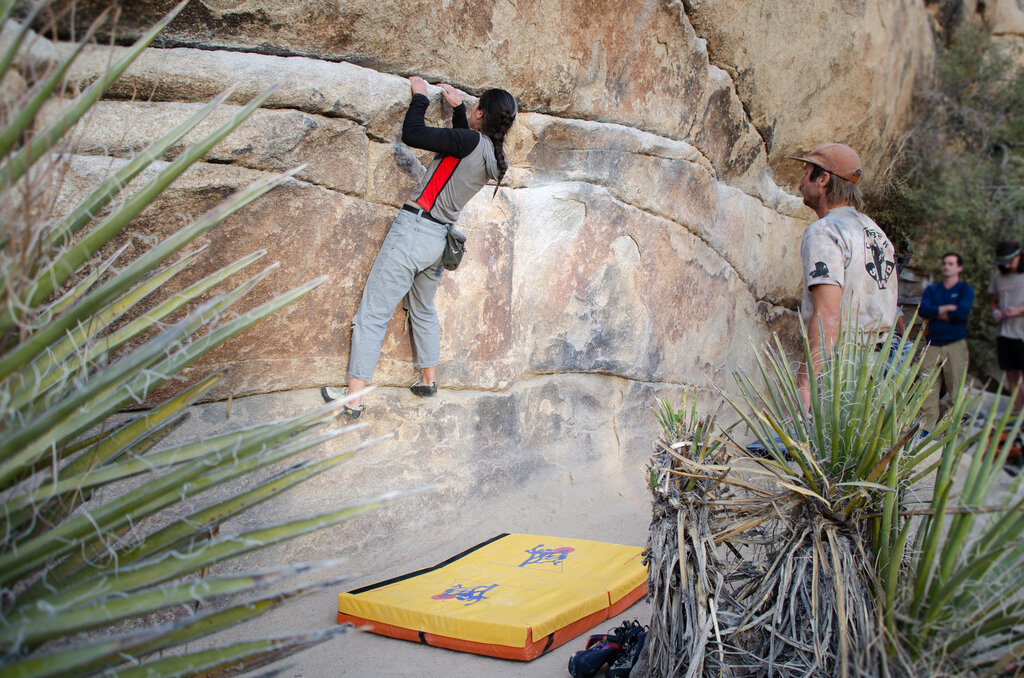
You might wonder how climbing without ropes is safe. The key is that bouldering problems are typically less than 6 meters (about 20 feet) tall. Instead of ropes, boulderers rely on thick, cushioned mats called crash pads placed on the ground below them to absorb the impact of a fall.
Another layer of safety comes from spotters. A spotter is a partner on the ground who helps guide a falling climber safely onto the crash pad, protecting their head and neck. It’s a system built on trust and attentiveness.
Bouldering trades ropes and harnesses for shorter heights, crash pads, and attentive spotters.
From Outdoors to Indoors
While bouldering began on natural rock, its popularity exploded with the rise of indoor climbing gyms. These facilities offer a controlled and accessible environment to practice the sport year-round, regardless of weather.
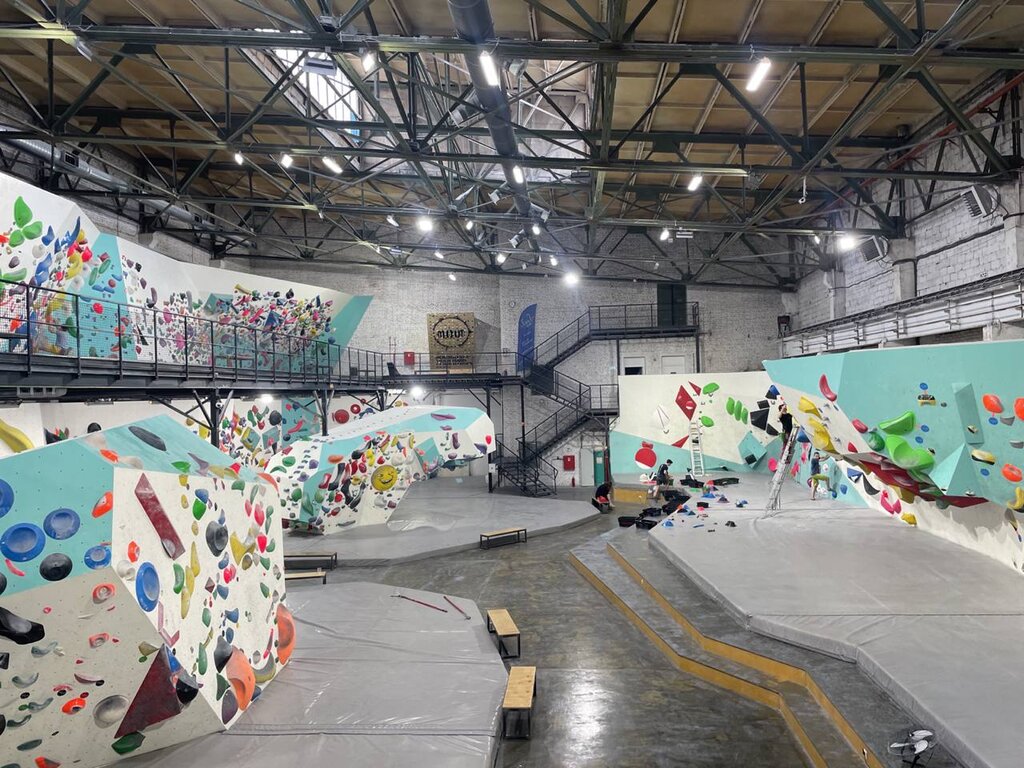
Indoor gyms use artificial walls with varied angles, from flat vertical faces to steep overhangs. Colorful plastic or wooden holds are bolted to these walls to create an endless variety of bouldering problems. Route setters, the architects of these problems, strategically place holds to challenge climbers in different ways, testing their balance, strength, and creativity.
If you're starting out by bouldering—that is, climbing up low walls without protection, like a rope or harness—you don't need much more than shoes and some chalk in a chalk bag.
Ready to test your knowledge?
What is the primary focus of bouldering?
What is the main piece of safety equipment used to absorb the impact of a fall in bouldering?
With its blend of physical strength and mental strategy, bouldering offers a compelling challenge for beginners and experienced climbers alike.