Mastering Bouldering Techniques
Introduction to Bouldering
What Is Bouldering?
Bouldering is a style of rock climbing on short, challenging routes called "problems." Unlike other forms of climbing, you don't use ropes or harnesses. Instead, you rely on your strength, technique, and problem-solving skills to ascend. Climbs are usually no more than 15 feet high.
Originally, bouldering was a way for mountaineers to practice difficult moves close to the ground. Today, it's a popular sport in its own right, with dedicated indoor gyms and famous outdoor locations. The focus is on powerful, precise movements rather than endurance for long ascents.
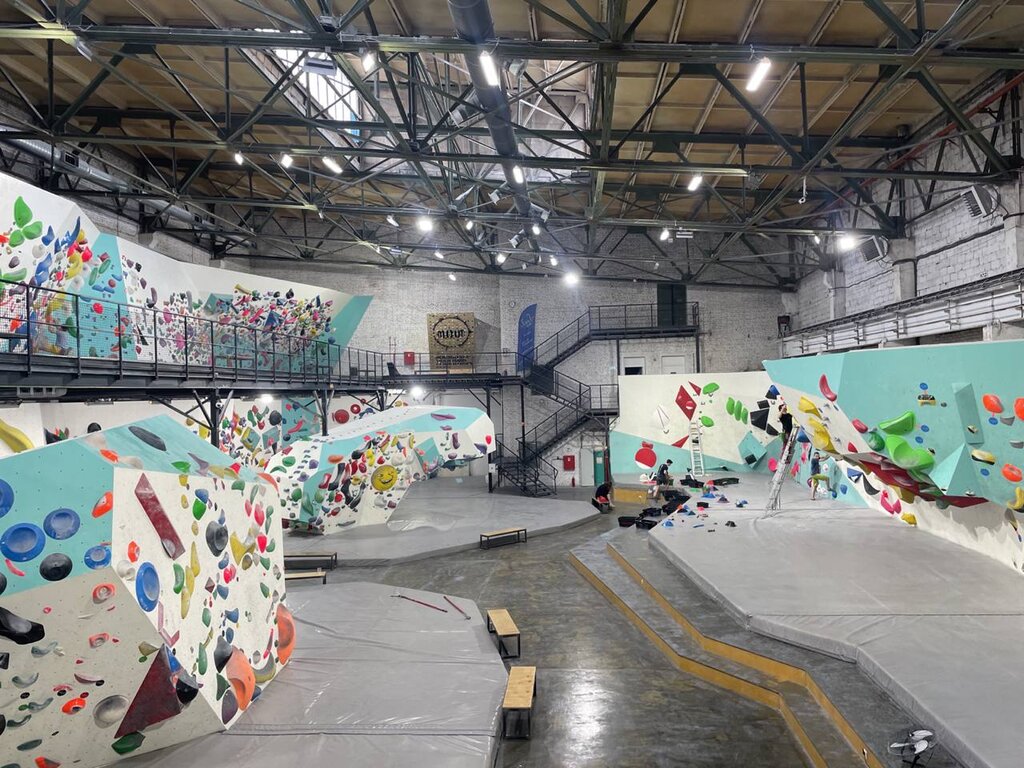
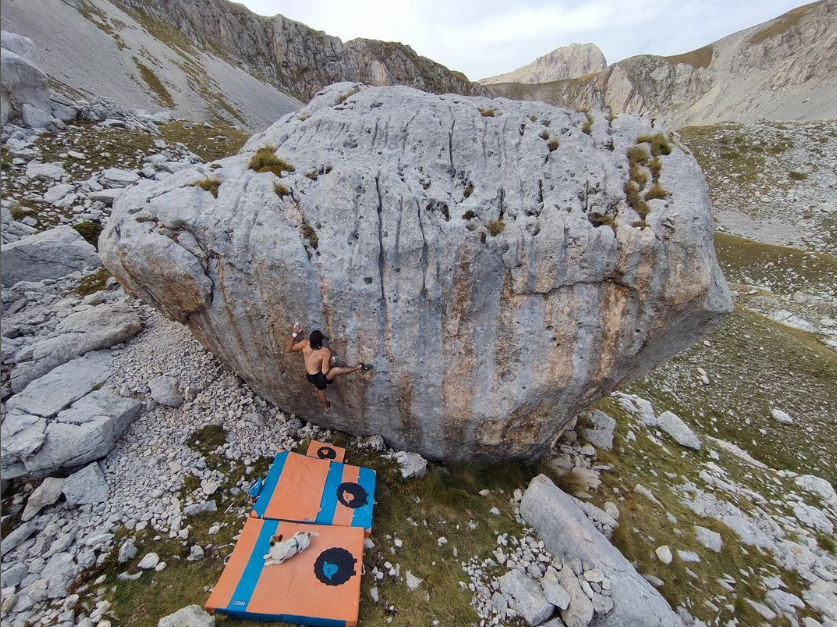
Whether you're climbing on artificial walls indoors or on natural rock formations outside, the principles are the same.
The Essential Gear
You don't need a lot of equipment to start bouldering, but a few items are essential. These three things will get you on the wall.
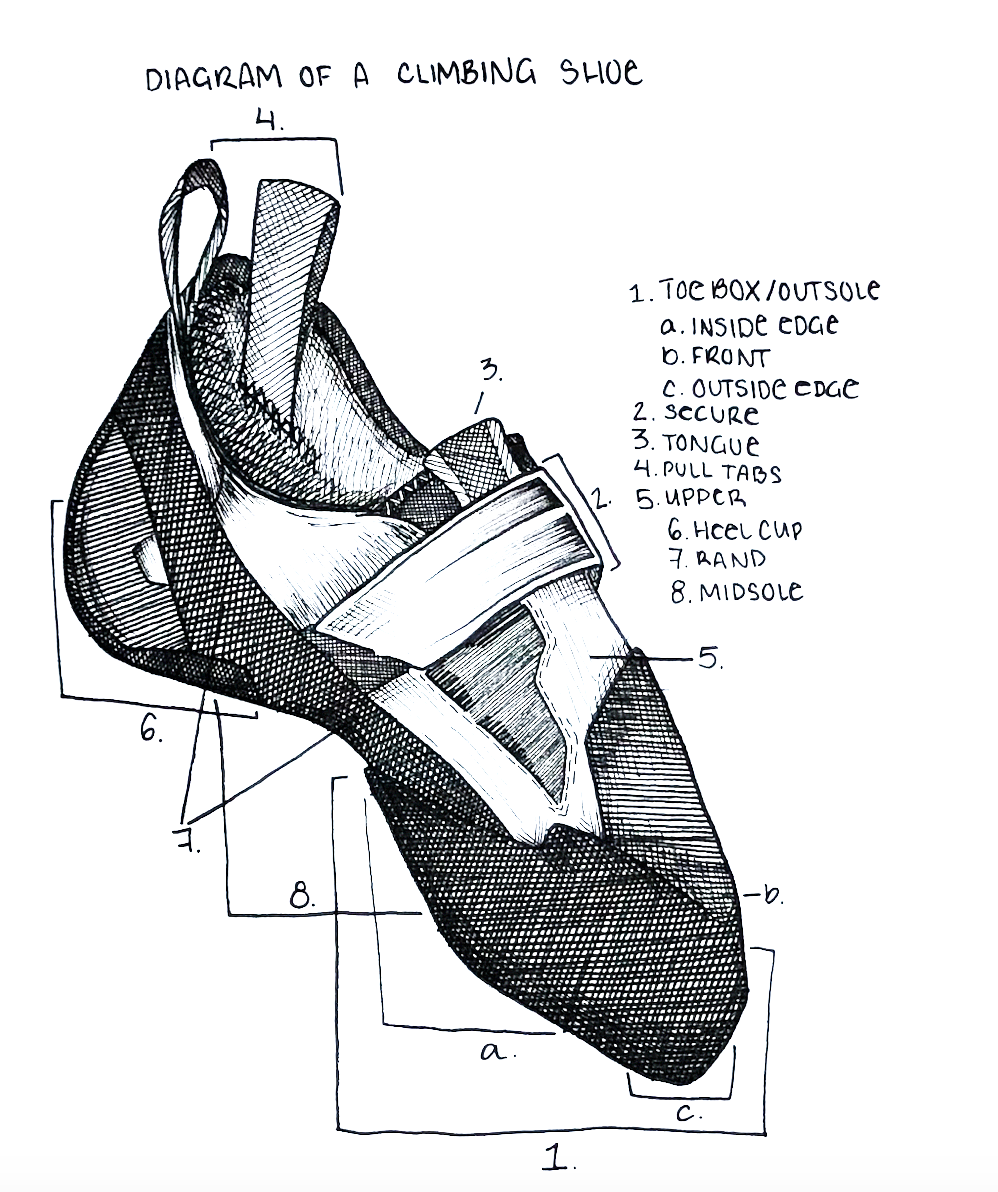
Climbing Shoes: These aren't like your everyday sneakers. Climbing shoes are designed to fit very snugly, allowing you to use your feet with precision on tiny holds. They have sticky rubber soles for maximum grip.
Chalk: Climbers use chalk, typically magnesium carbonate, to keep their hands dry. Dry hands mean better friction and a stronger grip on the holds. It's usually kept in a small pouch called a chalk bag that you can dip your hands into.

Crash Pads: Since there are no ropes, you need a way to cushion your fall. A crash pad is a thick foam mat that you place on the ground under a bouldering problem. Indoor gyms have permanent padded flooring, but for outdoor bouldering, you'll need to bring your own.
Staying Safe
Falling is a normal part of bouldering. Learning how to fall correctly is one of the most important skills you can develop to prevent injuries. The goal is to absorb the impact with your body in a controlled way.
When you fall, try to land on your feet with your knees bent, like you're landing from a jump. Immediately roll onto your back or side to distribute the force. Keep your arms in and try not to catch yourself with your hands, as this can lead to wrist or elbow injuries. Tuck your chin to your chest to protect your head.
Always look down before you fall to ensure your landing zone is clear.
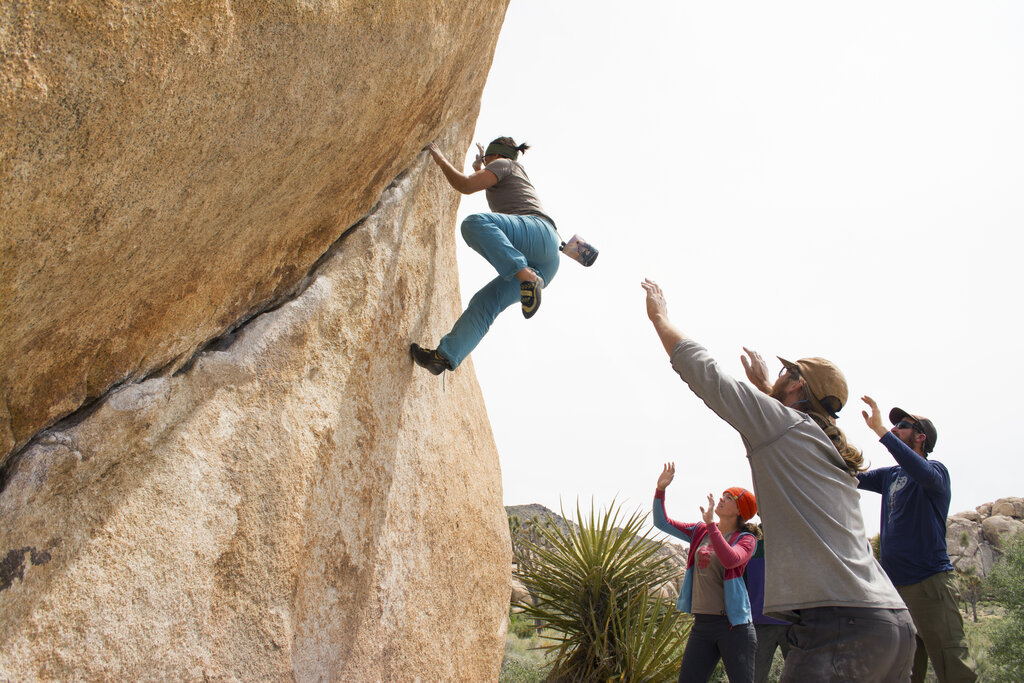
Another key safety component is a spotter. A spotter is a partner who stands below you while you climb. Their job isn't to catch you, but to guide your fall. They help ensure you land safely on the crash pad, protecting your head and neck from hitting the ground or the edge of the mat. Good communication between the climber and spotter is crucial.
Grading and Terminology
Bouldering has its own language. The path you climb is called a "problem." The plastic or rock features you hold onto are "holds." When you complete a problem from start to finish without falling, you've "sent" it.
To communicate difficulty, climbers use grading systems. These systems help you find problems that match your skill level. Grades are always subjective, but they provide a useful guideline. The two most common systems are the V-Scale and the Fontainebleau scale.
| V-Scale (USA) | Fontainebleau (Europe) | General Difficulty |
|---|---|---|
| VB / V0- | 3 / 4 | Beginner |
| V1 - V2 | 5 - 5+ | Novice |
| V3 - V5 | 6A - 6C+ | Intermediate |
| V6 - V9 | 7A - 7C | Advanced |
| V10+ | 7C+ and up | Expert |
The V-Scale, developed by John "Vermin" Sherman, is prevalent in North America. It starts at VB (for beginner) and then goes from V0 upwards. The higher the number, the harder the problem.
The Fontainebleau scale, originating from a famous bouldering area near Paris, is used widely in Europe and Asia. It uses a combination of numbers and letters (like 6A, 7B+).
Ready to test your knowledge?
What is the primary focus in bouldering that distinguishes it from other forms of rock climbing?
In bouldering terminology, what does it mean to "send" a problem?
Bouldering is a rewarding way to build strength, flexibility, and confidence. Start slow, focus on safety, and most importantly, have fun.