Mastering Bolognese Sauce
Understanding Bolognese Origins
More Than Just a Meat Sauce
When you hear “Bolognese,” you probably picture spaghetti covered in a thick, tomato-heavy meat sauce. But the real story of ragù alla Bolognese starts in Bologna, a city in the Emilia-Romagna region of northern Italy. It’s not just a recipe; it’s a cultural touchstone, a slow-cooked tradition that has been simmering for centuries.
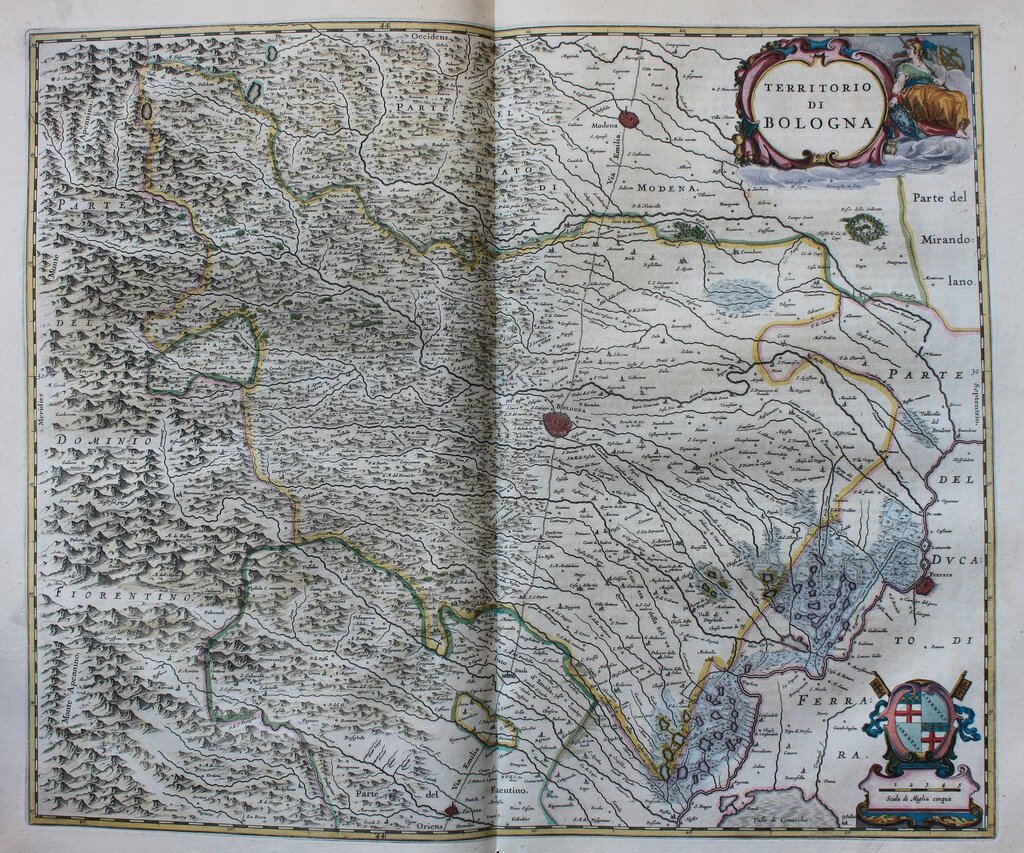
The sauce’s roots are actually French. It evolved from ragoût, a type of stew where meat and vegetables are cooked slowly over low heat. Italian chefs adapted this technique, creating a uniquely rich and flavorful sauce.
By the late 18th century, professor Thomas Gwinner explains that ragù had begun to evolve from the French stewed ragout into the heart of Italian cuisine as new variations with new ingredients spread across the country (via International Journal of Arts and Humanities).
The Official Recipe
Over time, countless variations of ragù appeared. To preserve the authentic tradition, the Bologna delegation of the Accademia Italiana della Cucina (Italian Academy of Cuisine) officially registered a recipe in 1982. This wasn't to say other versions were wrong, but to create a benchmark for the classic.
The official recipe emphasizes a specific balance of ingredients, creating a sauce that is meaty and nuanced, not overwhelmingly tomato-flavored.
The foundational ingredients of this official version are specific. It starts with a finely chopped mixture of onion, celery, and carrots, known as soffritto. This forms the flavor base. The meat is typically beef, often mixed with pork pancetta. White wine and milk are added to tenderize the meat and add richness, with just a small amount of tomato paste or puree for color and depth.
Bolognese vs. The World
So what makes a true ragù alla Bolognese different from other meat sauces? The key is balance and patience. Many meat sauces outside Italy are dominated by tomatoes and herbs. A traditional Bolognese, however, lets the meat be the star. The vegetables, wine, and milk build layers of flavor around it.
Patience is essential when it comes to making great ragù alla Bolognese.
The long, slow simmer is non-negotiable. Cooking for hours allows the flavors to meld and the meat to become incredibly tender. It’s a process that can’t be rushed.
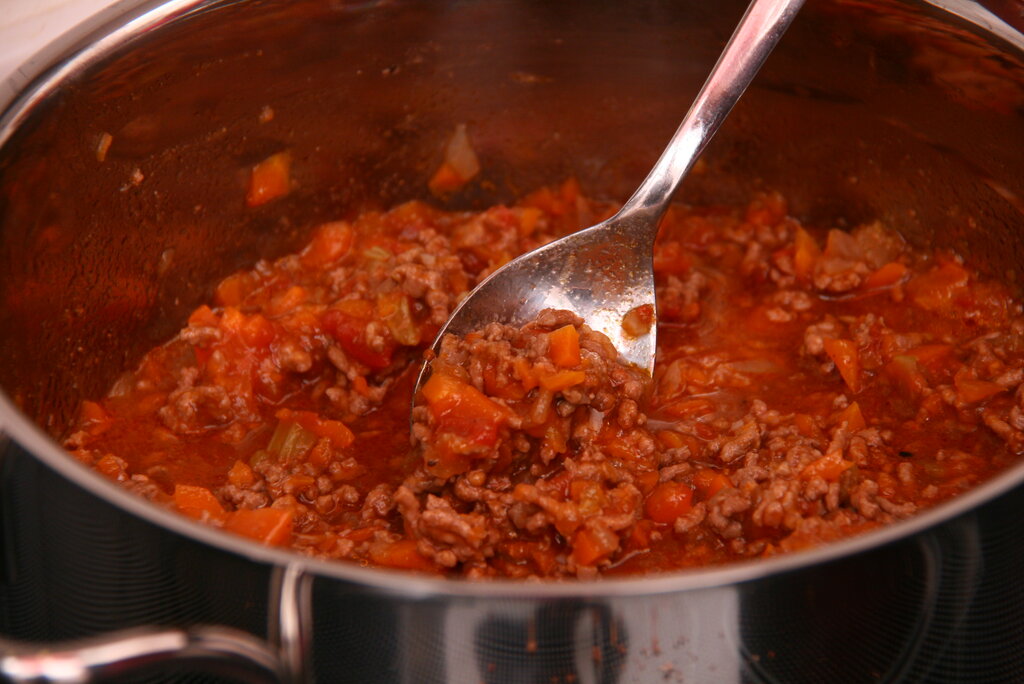
Perhaps the biggest difference is how it's served. In Bologna, you would never find this ragù served with spaghetti. The sauce is traditionally paired with fresh, wide egg pasta like tagliatelle, which can hold the hearty sauce. It’s also the classic filling for lasagne alla Bolognese.
Considered a tourist food in Italy, spaghetti Bolognese is actually an American creation likely brought into existence by Italian immigrants in the early to mid-20th century.
Time to review the key terms we've covered.
Let's check your understanding of this classic Italian sauce.
The culinary technique for making ragù alla Bolognese was inspired by what French dish?
What three vegetables form the traditional 'soffritto' base for ragù alla Bolognese?
Understanding the history of a dish like Bolognese reveals a story of cultural adaptation and a dedication to tradition. It’s a sauce built on simple ingredients and the time-honored technique of slow cooking.