Mastering Boarding Gate Passenger Interactions
Understanding Passenger Needs
The Art of Anticipation
The boarding gate is more than just a waiting area; it’s the final checkpoint before a journey begins. For passengers, this can be a moment of excitement, anxiety, or stress. As ground staff, your ability to understand and anticipate their needs is what transforms a standard procedure into a positive experience. It’s about seeing the person, not just the boarding pass.
Common Concerns at the Gate
Passengers arrive at the gate with a lot on their minds. Being prepared for their questions is the first step in providing excellent service. Most concerns fall into a few common categories:
- Seating: "Can I sit with my family?" "Is there any extra legroom?" "Why can't I select my seat?"
- Baggage: "Will my carry-on fit?" "Do I need to check my bag?" "I've lost my luggage tag."
- Connections: "Will I make my connecting flight?" "Which gate do I go to next?"
- Delays & Information: "Is the flight on time?" "What's the boarding procedure?"
Anticipating these questions allows you to provide clear, confident answers, which helps put passengers at ease.
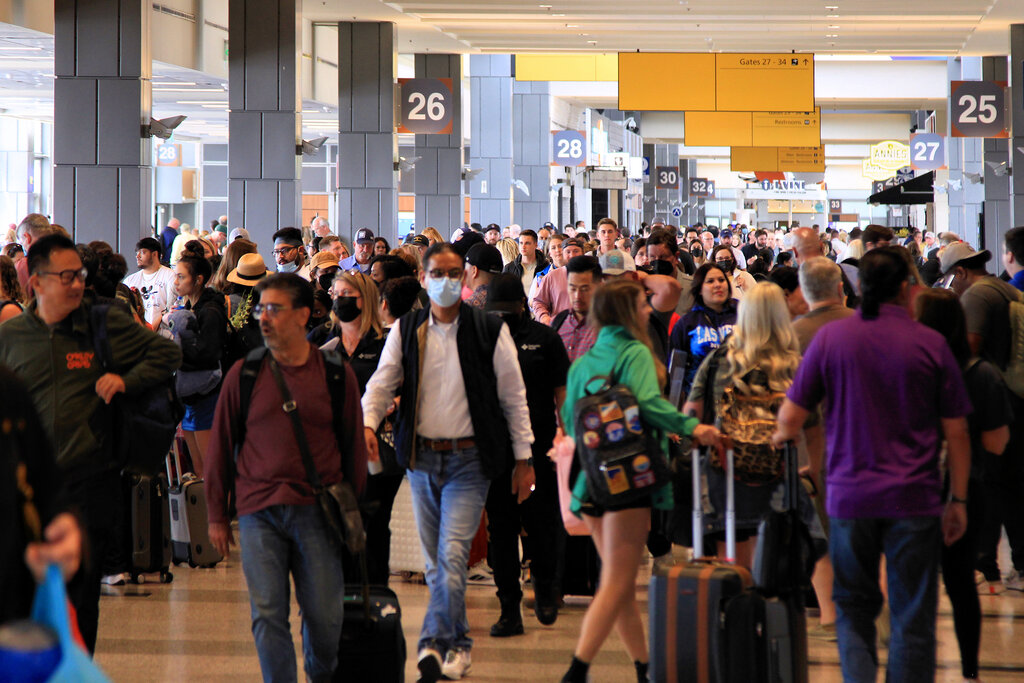
Understanding these recurring themes helps you prepare proactive announcements and be ready with information before you're even asked. It’s about managing the flow of information as much as the flow of people.
Needs Beyond the Ticket
Every passenger is different, and some require extra attention. Recognising these needs often begins with simple observation. Look for passengers who might need special assistance, such as those with mobility issues, families travelling with small children, or elderly travellers who may seem uncertain.
A family juggling a stroller and multiple bags, a passenger using a white cane, or someone in a wheelchair are clear indicators that extra support might be welcome. A simple, polite offer of help can make a significant difference.
Cultural sensitivity is also crucial. People from different backgrounds may communicate and express themselves in varied ways. Some may be very direct with questions, while others might be more reserved. A respectful and open demeanour is universally understood.
For example, personal space norms vary greatly between cultures. Being aware of this can help you interact more comfortably with international travellers. Similarly, some cultures may avoid direct eye contact as a sign of respect, which can be misinterpreted if you're not aware of the custom.
The Power of Listening and Empathy
Truly understanding a passenger's needs requires more than just hearing their words. It requires active listening and empathy. Active listening means concentrating fully on what is being said, understanding the message, and responding thoughtfully.
Listen actively: Acknowledge their concerns and understand their unique needs.
To practice active listening, focus on these steps:
- Pay Attention: Give the passenger your undivided attention. Put aside other tasks and make eye contact.
- Show You're Listening: Use non-verbal cues like nodding. Simple verbal affirmations like "I see" also help.
- Provide Feedback: Paraphrase their concern to ensure you've understood correctly. For example, "So, you're worried about the short connection time in Amsterdam?"
- Defer Judgment: Avoid interrupting or making assumptions. Let the passenger finish their thought completely.
Empathy
noun
The ability to understand and share the feelings of another person.
Empathy is the final piece of the puzzle. It’s about putting yourself in the passenger’s shoes. A flight delay might be routine for you, but for them, it could mean missing a wedding or an important meeting. Acknowledging their feelings—saying something like, "I understand that this is frustrating"—shows that you care and are there to help. This builds trust and sets a positive tone for the rest of the interaction.
Now, let's test your understanding of these concepts.
When a passenger is explaining a complicated issue, what is the best way to demonstrate active listening after they have finished speaking?
A flight is significantly delayed. A passenger is visibly upset, stating they will miss an important business meeting. What is the most empathetic response?