Mastering Bitcoin Self-Custody
Introduction to Bitcoin Self-Custody
True Bitcoin Ownership
When you buy Bitcoin, where does it go? For many people, the answer is an account on a cryptocurrency exchange. This is simple and convenient, but it's more like using a bank than holding cash. The exchange holds your Bitcoin on your behalf. You have an IOU, but you don't have the Bitcoin itself.
True ownership means you have direct, absolute control. This is where self-custody comes in. It’s the difference between storing your gold in a bank's vault and keeping it in a safe in your own home.
Self-Custody
noun
The practice of securing and controlling your own Bitcoin by managing your own private keys, rather than trusting a third party like an exchange.
Self-custody puts you in charge. Instead of an exchange holding your assets, you hold them yourself. This is made possible by controlling a special piece of information called a private key. Think of a private key as the master key to your Bitcoin holdings. It's a secret code that proves ownership and gives you the authority to spend your funds. If you control this key, you control your Bitcoin. Nobody else.
The Risks of Exchanges
Leaving your Bitcoin on an exchange means you are trusting that company completely. You trust them to have flawless security, to be financially solvent, and to act in your best interest. But exchanges can be hacked, go bankrupt, or even freeze your account without warning.
If an exchange fails, your Bitcoin could be lost forever. You become just another creditor in a long line, hoping to get some of your assets back. This has happened many times in the history of cryptocurrency. When you don't hold your keys, you are exposed to the risks of the company holding them for you.
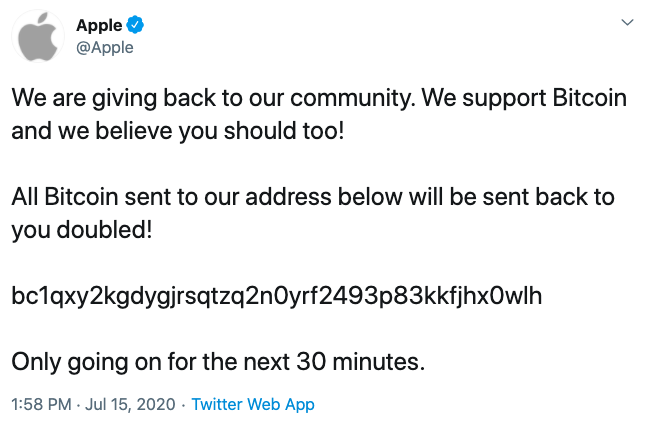
Furthermore, relying on a custodian takes away one of Bitcoin's core advantages: the freedom to transact. The exchange can set withdrawal limits, delay transactions, or require invasive personal information before letting you access your own funds. With self-custody, you are the only one who can make these decisions.
Not Your Keys, Not Your Coins
This brings us to a fundamental principle in the Bitcoin world. It’s a simple phrase that contains a powerful truth.
Not your keys, not your coins.
This mantra serves as a constant reminder of what true ownership means. If you do not have exclusive control of the private keys associated with your Bitcoin, you don't truly own it. You are trusting someone else to keep it safe for you, and that trust can be broken.
Choosing self-custody is about taking full responsibility for your assets. It gives you censorship resistance, meaning no third party can stop you from using your Bitcoin. It provides security that is entirely in your hands, not dependent on a company's cybersecurity budget. And most importantly, it grants you complete financial autonomy.
What is the special piece of information that proves ownership and allows you to spend your Bitcoin when using self-custody?
Keeping your Bitcoin on a cryptocurrency exchange is most analogous to: