Mastering Bitcoin for Course Creation
Introduction to Bitcoin
The Story of Bitcoin
In late 2008, the global financial system was in turmoil. Trust in banks was at an all-time low. Amid this crisis, a mysterious figure using the name Satoshi Nakamoto published a paper online. The title was simple but revolutionary: "Bitcoin: A Peer-to-Peer Electronic Cash System."
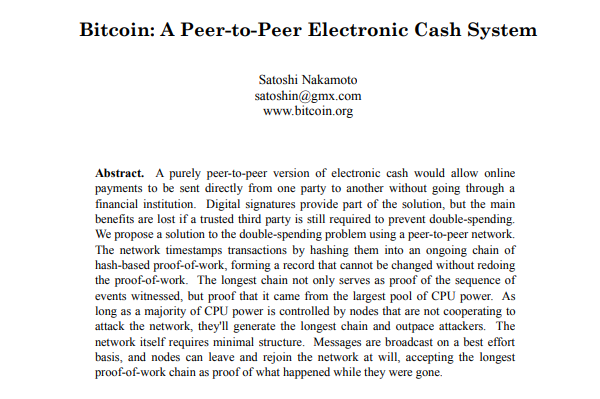
Nakamoto’s paper proposed a way to send money directly from one person to another without needing a bank, a credit card company, or any other middleman. It was a bold idea for a new financial system, one built on code instead of trust in institutions.
No Kings, No Banks
The traditional financial system is centralized. When you send money to a friend, your bank updates its private ledger, and their bank updates theirs. The banks are central authorities that control the flow of money and keep the official records. If a bank’s server goes down or it decides to block a transaction, the system stops working for you.
Bitcoin is different. It's decentralized. There is no central server, no headquarters, and no CEO. Instead, the network is maintained by a global community of volunteers. Imagine a shared digital notebook that everyone can see. When a transaction happens, a new entry is added to every single copy of that notebook at the same time. No single person or group can control it.
This structure makes the network incredibly resilient. To shut it down, you'd have to shut down every computer running the software, which is nearly impossible. It also means that no single entity can dictate the rules or censor transactions.
The Digital Ledger
The shared notebook that powers Bitcoin is called the blockchain. It's a public ledger containing a record of every transaction ever made on the network. Think of it as a very long receipt that everyone can inspect.
Transactions are bundled together into "blocks" and then cryptographically linked to the previous block, forming a chain. This is where the name "blockchain" comes from. Each new block reinforces the one before it, making the history of transactions permanent and unchangeable. Once a transaction is added to the blockchain, it’s there forever.
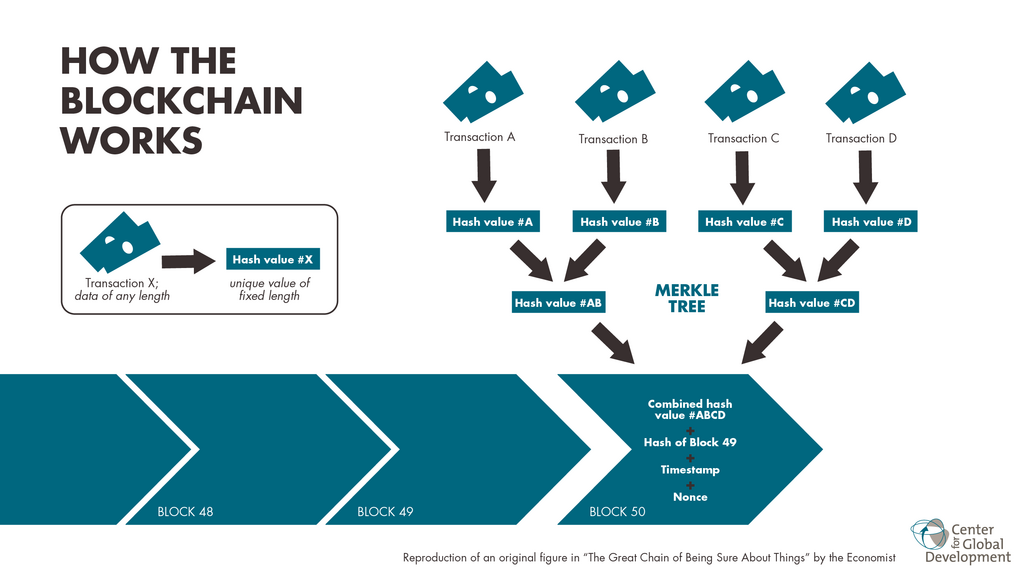
This technology is what allows Bitcoin to operate without a central authority. The blockchain itself is the source of truth, maintained and verified by the entire community.
Hidden in Plain Sight
Who is Satoshi Nakamoto? Nobody knows. The name is a pseudonym, and the real creator or creators have never been identified. This anonymity is a core part of Bitcoin's story.
Transactions on the Bitcoin network are also not tied to real-world identities like your name or address. Instead, they are linked to alphanumeric addresses. This makes Bitcoin pseudonymous, not completely anonymous. While your name isn't on the transaction, every transaction is public on the blockchain. If someone can link your real-world identity to your Bitcoin address, they can trace all of your activity.
Pseudonymity means your identity is masked by a false name or address, but your actions are still visible. It's like writing a book under a pen name—people can read the book, but they don't know who you are unless that link is made.
This feature has complex implications. It offers a degree of privacy that is difficult to achieve in the traditional banking system. However, it also raises questions for regulators who are concerned with tracking illicit activity. This tension between privacy and regulation is a central theme in the ongoing story of Bitcoin.
Bitcoin was the first of its kind, a new form of money born from a unique blend of cryptography, computer science, and economics. It introduced the world to the idea of a decentralized digital currency and the blockchain technology that makes it all possible.